India’s rice exports rise 5% as non-basmati shipments offset basmati decline
India exported 12.27 million metric tons of rice between January and June 2026, up 5% from 11.68 million tons a year earlier. A 9.6% increase in non-basmati shipments, supported by African demand, outweighed a 5.5% decline in basmati exports.
Non-basmati demand drives export growth
India’s rice exports increased by 5% in the first half of 2026 as stronger demand for non-basmati varieties compensated for weaker basmati trade. Shipments reached 12.27 million metric tons between January and June, compared with 11.68 million tons during the same period a year earlier, according to government sources cited by Devdiscourse.
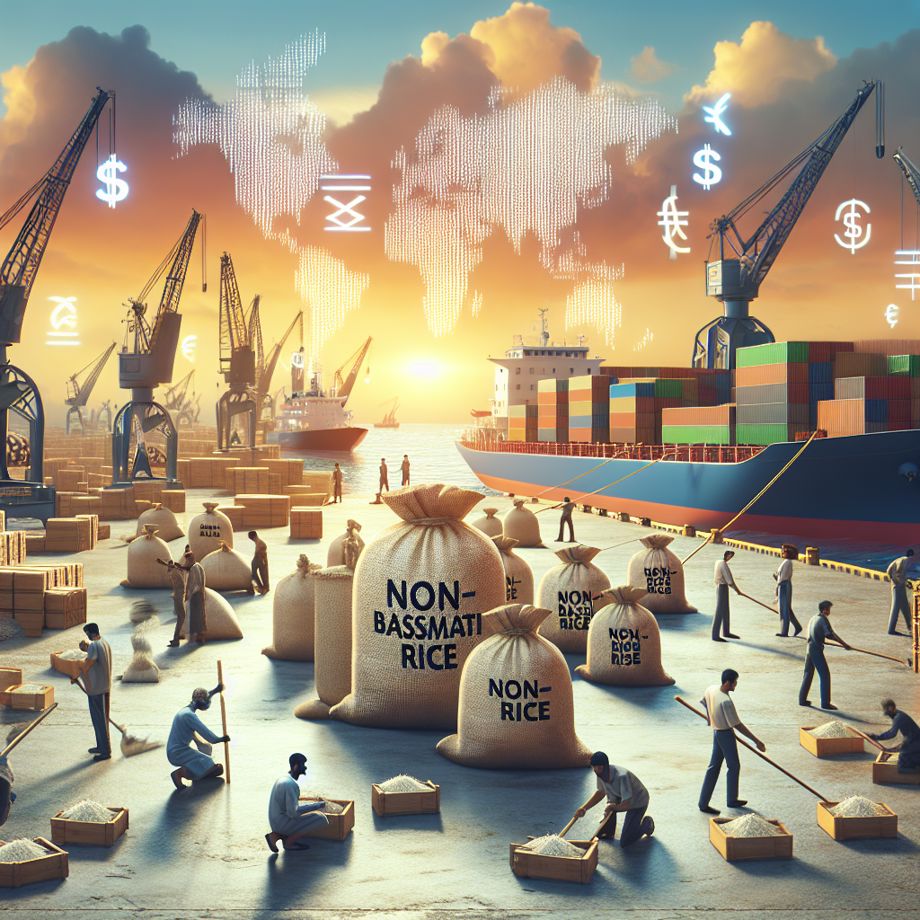
The two main segments moved in opposite directions. Non-basmati rice exports rose by 9.6%, driven largely by purchases from African countries. Basmati shipments fell by 5.5% as geopolitical tensions disrupted trade with Gulf markets. The expansion in the larger-volume non-basmati category was sufficient to keep India’s overall rice exports growing despite the setback in the premium basmati segment.
African markets support shipment volumes
Demand from Africa was the principal source of growth for non-basmati exports. These markets are particularly sensitive to food costs, making the competitive price of Indian rice important for importers and consumers. India also ships significant quantities to Asian destinations, extending the influence of its supply position across two major rice-consuming regions.
Competitive pricing against other leading exporters helped Indian suppliers raise volumes. For African importers, larger shipments from India expand access to affordable staple food and provide an alternative when production or availability tightens elsewhere. For Indian millers, exporters and traders, the figures show that broad demand for lower-priced rice can offset weakness in a premium category serving a different set of buyers.
India’s supply remains central to global prices
India accounts for more than 40% of global rice exports, according to Devdiscourse. Changes in its shipments therefore affect international availability and price formation more strongly than movements by smaller suppliers. The increase to 12.27 million metric tons added supply to the world market at a time when concerns about production linked to the El Niño weather pattern were creating uncertainty.
Higher Indian exports can help limit upward pressure on rice prices, especially in price-sensitive African and Asian markets. The first-half results nevertheless expose a split within the trade: non-basmati volumes are benefiting from broad staple-food demand, while basmati remains more exposed to geopolitical conditions and access to Gulf buyers. The overall 5% increase indicates that India’s diversified product mix and destination base are supporting export resilience, but the 5.5% basmati decline remains a concern for producers and traders concentrated in that higher-value segment.