India removes wheat flour export restrictions after four years
India has moved wheat flour and related products from the prohibited to the free export category with immediate effect. The measure covers atta, maida, semolina and other specified products, reopening overseas markets to Indian millers after restrictions imposed in 2022.
Government moves wheat products into free export category
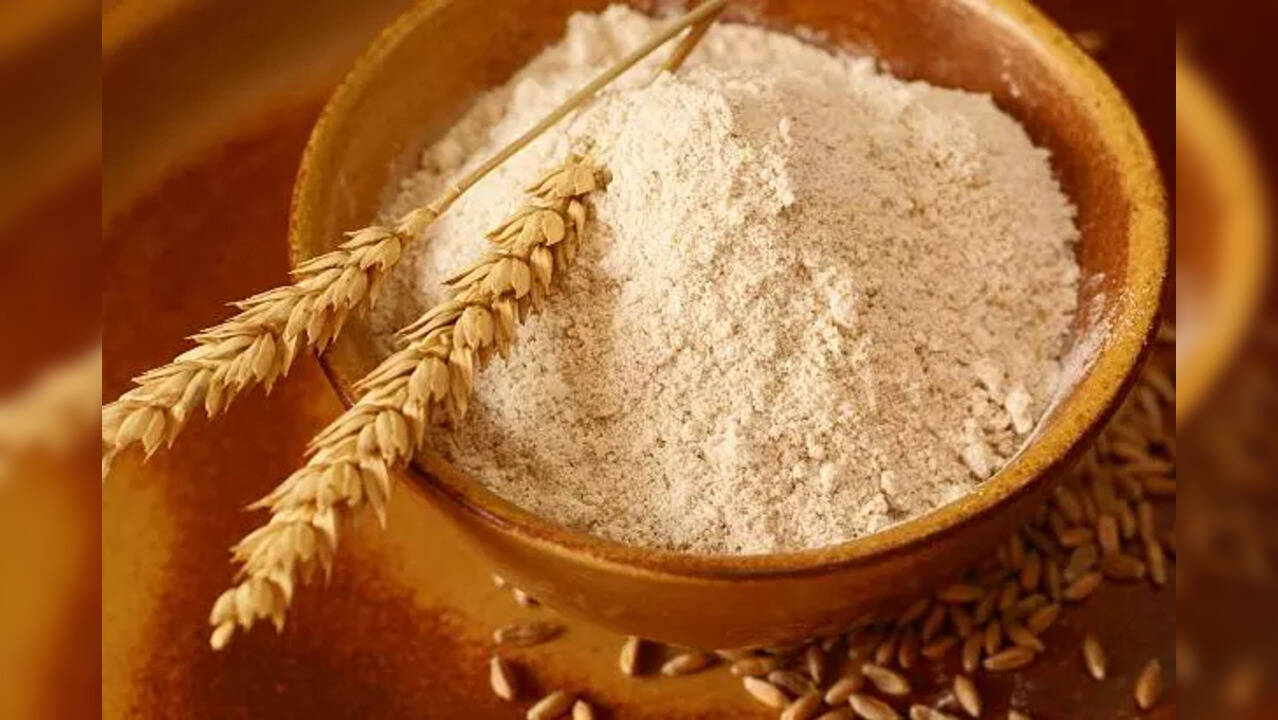
India’s Union Government has lifted export restrictions on wheat flour and related products with immediate effect, reopening overseas sales after nearly four years of controls. According to Times Now, the Directorate General of Foreign Trade amended the export policy and changed the covered products from “prohibited” to “free”. Shipments will still have to comply with India’s normal export regulations.
The revised policy covers wheat or meslin flour and a range of processed wheat products, including atta, maida, semolina or rava and suji, wholemeal atta and resultant atta. Times Now reported that the government separately removed restrictions on products falling under ITC (HS) Code 11010000. ABP News said the authorities also permitted exports of durum wheat, flour and other wheat products.
Restrictions had been imposed during the 2022 price surge
India halted large-scale wheat exports in 2022 as the Russia-Ukraine conflict disrupted grain markets and international wheat prices rose sharply. Times Now said global prices had rallied by nearly 40%, while stronger Indian exports contributed to sharp increases in domestic wheat and atta prices. The government acted to preserve supplies for the domestic market and protect food security.
The restrictions were introduced on July 12, 2022, according to Times Now. The publication reported that the government partially reopened exports earlier this year and established an annual ceiling of 5 million tonnes. ABP News likewise said a limited wheat shipment had been authorised in February. The latest notifications go further by removing the prohibited classification from the specified wheat and flour categories.
Record crop strengthens the case for reopening
The policy change follows a record Indian wheat harvest of 120.6 million tonnes, according to ABP News. The publication described India as the world’s second-largest wheat producer. The government has also operated the National Food Security Mission and its NFSM-Wheat programme to expand planted area, improve productivity, restore soil fertility and support farm-level incomes.
Reopening exports gives flour mills and trading companies access to foreign demand without the previous prohibition. It may also create another sales channel for farmers, although the commercial effect will depend on domestic prices, freight costs, product specifications and the normal regulations that continue to apply. Processed products such as maida and semolina can serve different buyers from those purchasing milling wheat, allowing Indian suppliers to compete across a broader range of food-industry markets.
Regional buyers gain an additional supply option
ABP News said additional Indian shipments could support import-dependent markets in Asia, Africa and West Asia. Black Sea countries remain major suppliers to the international wheat market, and disruption associated with the Russia-Ukraine war has increased the importance of alternative origins. India’s return therefore adds another potential source for buyers managing supply and price risks.
The immediate change is clearest for Indian millers and exporters: products that could not be shipped freely can now be offered overseas, subject to standard rules. It does not guarantee a particular export volume or destination mix. Buyers and traders will now watch Indian domestic prices and the pace of licence, customs and contract execution to determine how much wheat and processed product reaches the international market.