India’s pulse imports edge down to 3.18 million tonnes as chickpea and urad arrivals fall
India imported 3.18 million tonnes of pulses in January-June 2026, down 1.46% from 3.227 million tonnes a year earlier. Lower chickpea and urad arrivals offset sharp growth in lentil and pigeon-pea imports, while yellow-pea shipments also increased.
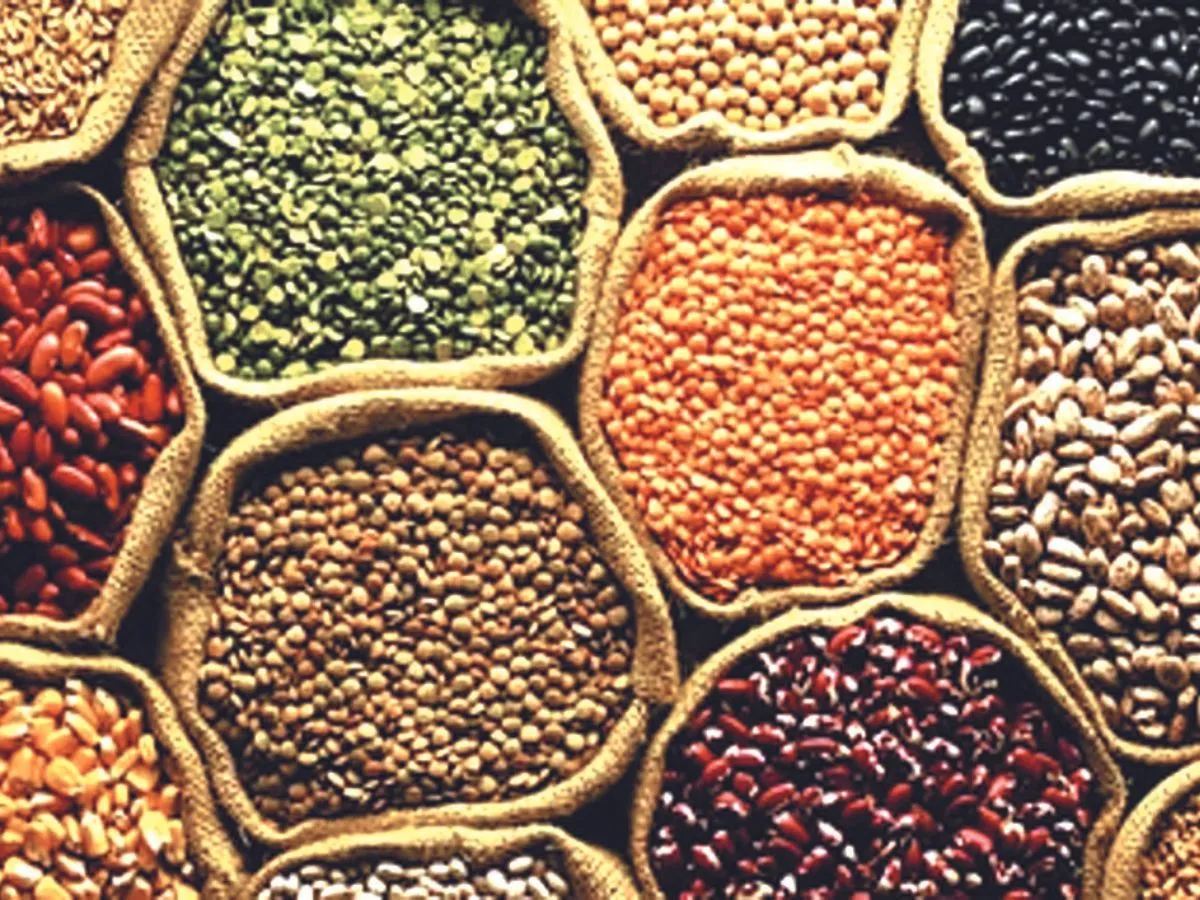
Total imports decline despite mixed category trends
India imported 3.18 million tonnes of pulses between January and June 2026, a decrease of 1.46% from 3.227 million tonnes in the same period a year earlier. Business Standard Hindi reported the figures from a market update by the India Pulses and Grains Association, which cited data from the Directorate General of Commercial Intelligence and Statistics.
The modest fall in the aggregate figure concealed sharply different movements across pulse categories. Reduced chickpea and urad arrivals outweighed growth in imports of pigeon pea, lentil and yellow pea. The figures indicate that Indian buyers adjusted their overseas purchasing according to domestic prices, availability and the competitiveness of individual crops rather than cutting pulse imports across the board.
Lentil and pigeon-pea purchases rise sharply
Lentil recorded the strongest increase. India imported 963,000 tonnes in January-June 2026, up 51.58% from 635,000 tonnes in the corresponding period of 2025. Canada remained the leading supplier, shipping more than 510,000 tonnes, while Australia supplied over 417,000 tonnes. Imports from Russia amounted to 22,938 tonnes.
Pigeon-pea imports rose 43.34% to more than 505,000 tonnes as India relied heavily on African origins to meet domestic requirements. Mozambique led shipments with more than 183,000 tonnes, followed by Myanmar with over 123,000 tonnes and Tanzania with more than 101,000 tonnes. Sudan supplied about 49,049 tonnes. The spread of origins shows the importance of both East African producers and Myanmar in India’s pigeon-pea procurement.
Yellow-pea imports also increased, rising 17% during the first half. Canada was the largest supplier, sending more than 570,000 tonnes, while Russia was another major origin. The source did not provide India’s total yellow-pea import volume for the period, but the growth added to demand for Canadian pulse exports alongside the rise in lentil shipments.
Chickpea and urad arrivals contract
Chickpea imports fell by more than 45%, largely because of reduced supplies from Australia. Australia nevertheless remained India’s largest chickpea supplier, exporting more than 603,000 tonnes. Tanzania ranked second with around 28,743 tonnes, while other cargoes came from countries including the United Kingdom and Myanmar.
Rahul Chauhan of Igrain India attributed part of the chickpea decline to relatively low prices in India and higher prices in the international market. That gap made imported chickpeas less competitive for Indian buyers and weakened import demand. The price relationship is particularly relevant for Australian exporters because they continued to dominate the trade even as India’s overall purchases contracted.
Urad imports decreased by 19% in the first half. Myanmar retained its position as India’s leading supplier, shipping 278,000 tonnes between January and June. Brazil supplied 39,309 tonnes and Thailand more than 11,448 tonnes. Taken together, the category data show a reallocation of Indian demand toward lentil, pigeon pea and yellow pea, while weaker chickpea and urad flows kept total pulse imports slightly below the previous year’s level.