India opens its market to Uzbek chili peppers and pomegranates
India has authorised imports of fresh chili peppers and pomegranates from Uzbekistan subject to agreed phytosanitary conditions, according to UzDaily. The notification was issued by the Ministry of Agriculture and Farmers' Welfare on 31 August, days after Prime Minister Narendra Modi's state visit to Tashkent. Chili is expected to remain a niche line, while pomegranates could add competition for growers in Maharashtra, Karnataka, Gujarat and Andhra Pradesh.
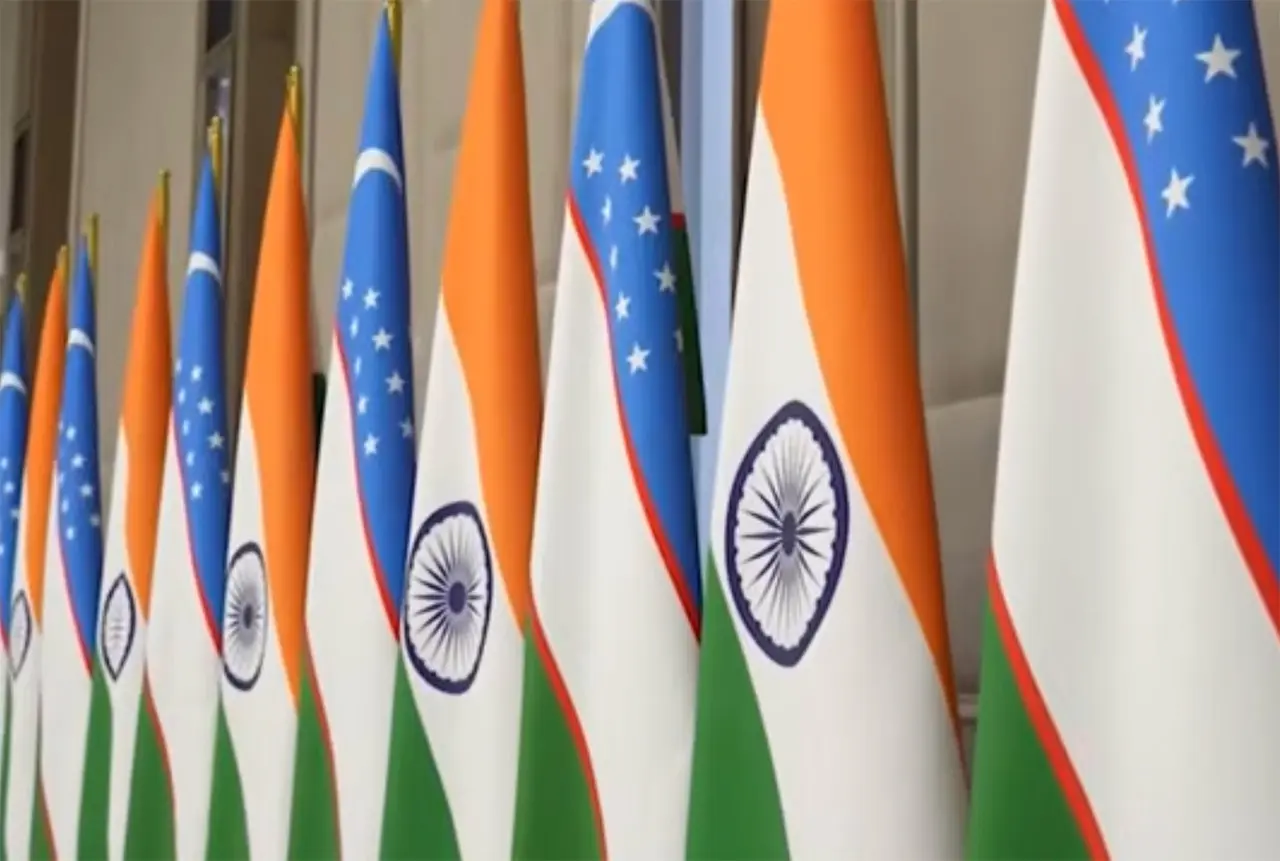
India has opened its market to fresh chili peppers and pomegranates from Uzbekistan, clearing both products for import provided consignments meet a defined set of phytosanitary conditions, UzDaily reported. The Ministry of Agriculture and Farmers' Welfare of India issued the enabling notification on 31 August, within days of Indian Prime Minister Narendra Modi's state visit to Uzbekistan on 29-30 August.
Access is granted under India's pest risk management system, which admits plant products only where specified quarantine organisms are shown to be absent from shipments. Each of the two commodities carries its own conditions, and the pomegranate list is the more demanding of the two.
Separate pest requirements for each product
For fresh chili peppers, Indian authorities require consignments to be free of Aculops lycopersici, known as the tomato rust mite, and of tomato brown rugose fruit virus. Shipments must also be cleaned of plant debris and soil before dispatch.
Pomegranates face a longer list. Consignments must contain no plant debris, weed seeds or soil, and must be accompanied by a certificate confirming freedom from four organisms:
- Euzophera bigella, the quince moth;
- Lobesia botrana, the European grapevine moth;
- Pseudococcus comstocki, the Comstock mealybug;
- Botrytis cinerea, commonly known as grey mould.
The wording places the compliance burden on the Uzbek side and its certifying bodies. Pest-freedom certification of this type is verified in the orchard and through post-harvest handling rather than at the border alone, which sets a practical threshold on which Uzbek exporters can realistically use the new channel.
Chili moves against the dominant trade flow
India is the world's largest producer, consumer and exporter of chili peppers, according to UzDaily. Around 70% of the crop grown in the country is consumed domestically, with the remainder shipped abroad, and chili accounts for roughly 31% of India's spice exports. Supplying chili into a market of that scale is a counter-flow trade, and Uzbek peppers are expected to remain a niche product rather than a volume business.
Pomegranates carry the commercial weight
The pomegranate side of the decision has clearer commercial implications. UzDaily notes that Uzbek supplies could intensify competition for Indian producers in the country's main growing regions, including Maharashtra, Karnataka, Gujarat and Andhra Pradesh. For Uzbek horticulture, the opening adds one of the largest consumer markets in the world to its list of accessible destinations.
The notification sets the conditions of entry but not the commercial terms. No volumes, tariff treatment or timing for first shipments have been published, leaving the scale of the new flow undefined for now.
Agricultural cooperation follows the state visit
The opening of the Indian market is presented as part of wider cooperation between the two countries in agriculture and food security. Expected outcomes cited include the development of agri-food chains, expanded export opportunities and growth in bilateral trade.
The timing links the decision directly to diplomacy. During Modi's visit on 29-30 August the two sides stated their intention to strengthen economic ties and broaden cooperation in agriculture, and the Indian notification followed on 31 August.