India prepares open-market wheat sales ahead of festival demand
India’s government is preparing to begin selling wheat on the open market next month. The measure is intended to expand supply and limit increases in wheat and flour prices during the festival months.
Government wheat to enter the market next month
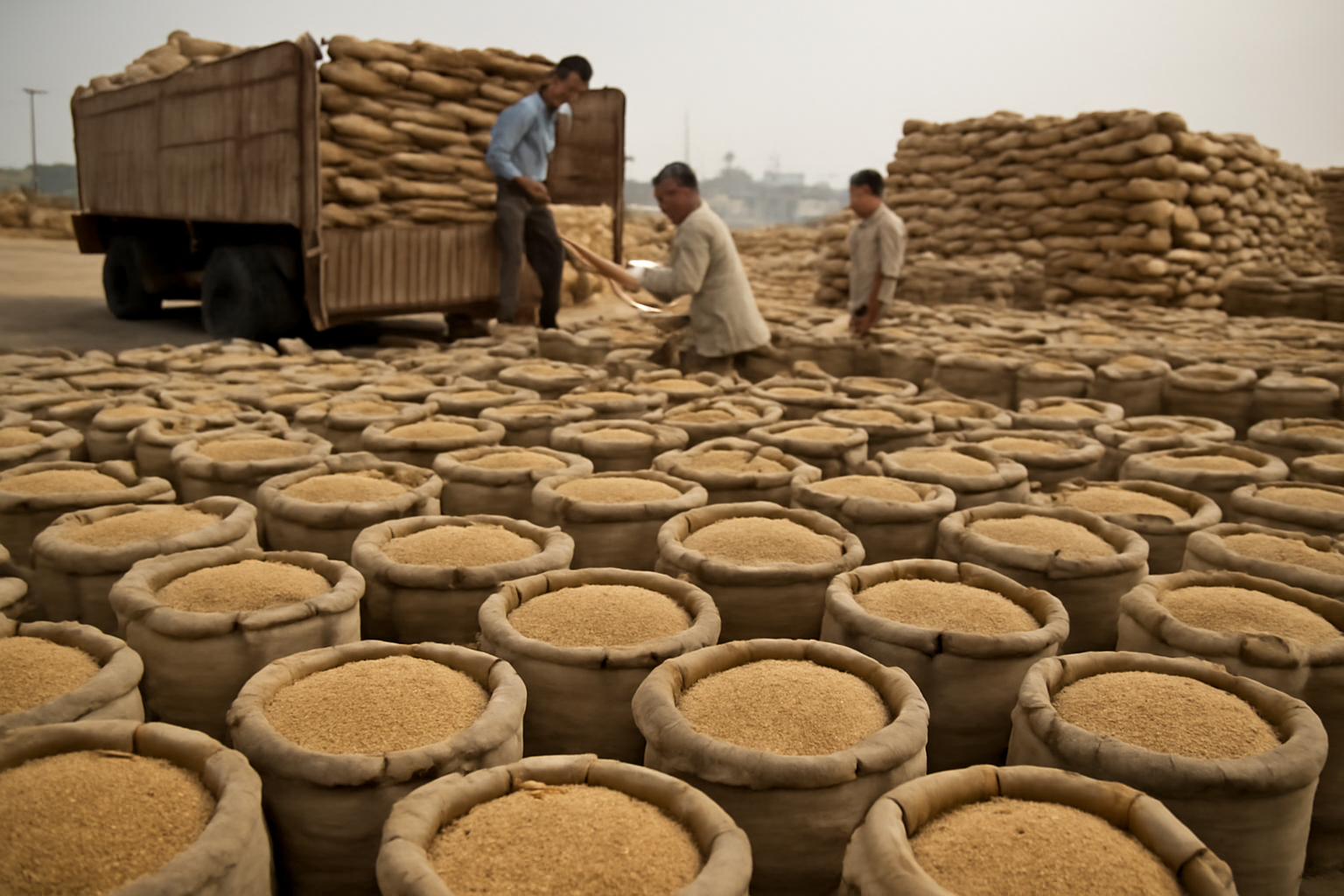
India’s government is preparing to begin selling wheat from public stocks on the open market next month, ahead of the festival season. The planned intervention is designed to increase the volume available to buyers and prevent a sharp rise in wheat and flour prices during a period of stronger seasonal demand.
The available information does not specify the volume of wheat to be released, the sale schedule, reserve prices or the categories of buyers that will be eligible to participate. Those details will determine how quickly the grain reaches flour mills and how strongly the measure affects wholesale and retail markets. The timing nevertheless signals that the authorities want additional supply in circulation before festival consumption places more pressure on prices.
Price impact depends on execution
Open-market sales can give processors an additional source of wheat when commercial availability is tight or asking prices are rising. For flour millers, access to government grain may reduce procurement pressure and help stabilize raw-material costs. The effect on consumers will depend on whether lower or more stable wheat costs are transmitted through the processing and distribution chain to flour prices.
The release may also influence private stockholders and grain traders. If government wheat is offered in sufficient quantities and at competitive terms, sellers may have less scope to raise prices in anticipation of festival demand. A limited release, delayed deliveries or restrictive participation conditions would produce a narrower effect. Until the operational terms are announced, the likely scale of price relief remains uncertain.
Market participants await sale terms
Flour mills will be watching the quality, location and availability of the wheat offered, as transport costs and delivery timing affect the real procurement price. Traders will focus on the release volume and frequency of sales, while producers and holders of private stocks will assess whether public supply changes spot-market demand.
The policy is aimed primarily at domestic supply and price management. No change to India’s wheat import or export arrangements was identified in the supplied material. The immediate market consequences therefore concern the balance between public stocks, private inventories, milling demand and household purchases inside India rather than a stated adjustment to cross-border trade.
Festival season raises the urgency
The planned start next month places the intervention before the festival months, when demand for wheat products and flour can strengthen. Acting in advance may allow grain to move through auctions, transport and milling before the seasonal peak. The speed of that process will be important: an announcement alone does not add flour to retail shelves unless buyers can obtain, process and distribute the wheat promptly.
For industry participants, the next significant development will be publication of the sale mechanism. Volumes, prices, buyer eligibility and delivery locations will show whether the program is broad enough to influence the national market or mainly provides relief in selected regions. The government’s stated direction is clear: use public wheat supply to contain price pressure and improve availability during the coming festival period.