India’s kharif planting falls 1.60% as rice, soybean and cotton acreage declines
India’s kharif crop area reached 108.631 million hectares by September 4, 2026, down 1.60% from a year earlier. Lower planting of rice, soybean, groundnut, maize and cotton is raising production concerns, while expansion in pigeon pea and black gram offers some support to pulse supplies.
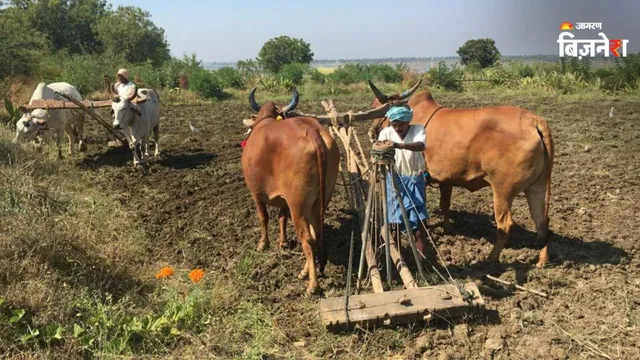
Total planted area remains below last year
India’s kharif planting reached 108.631 million hectares by September 4, 2026, according to Ministry of Agriculture and Farmers Welfare figures reported by Jagran. That was 1.769 million hectares, or 1.60%, below the 110.400 million hectares planted by the same point last year.
The deficit has narrowed from earlier reports, but the crop mix continues to present different supply signals across India’s major agricultural markets. Acreage has declined for rice, soybean, groundnut, maize and cotton, while increased planting of some pulses and minor oilseeds could ease pressure in those specific segments.
The season had already attracted concern because an El Niño effect was expected to reduce kharif sowing. The latest figures do not provide production forecasts, and planted area alone does not determine harvest volumes. Nevertheless, acreage is an important early indicator for processors, traders and buyers assessing the availability of crops harvested after the monsoon season.
Rice and major oilseeds lose ground
Rice acreage stood at 42.182 million hectares, a year-on-year decrease of 3.74%. The decline is larger than the contraction in total kharif area, keeping production concerns alive for a crop central to India’s food market and agricultural supply chain.
Coarse-grain acreage also remained under pressure, mainly because of reduced maize and finger millet planting. Jagran did not provide absolute acreage or percentage changes for those two crops. Lower maize planting is relevant to feed users and other processors, although the eventual market effect will depend on yields and final output.
Total oilseed acreage slipped 0.56% to 19.199 million hectares. Within the category, groundnut area declined 1.65%, soybean area fell 0.94% and castor seed planting dropped 13.61%. These reductions were partly offset by gains of 15.15% for sesame, 95.69% for sunflower and 13.29% for niger seed, illustrating a marked divergence among oilseed crops.
Pulse expansion provides a partial offset
Total pulse acreage increased from 11.530 million to 11.713 million hectares, a gain of 1.60%. Pigeon pea planting rose 1.61% and black gram acreage expanded 11.95%. In contrast, green gram area fell 3.05%, while the area classified as other pulses declined 13.14%.
Cotton acreage also decreased marginally, although the report did not specify its area or the scale of the decline. The combined shortfalls in rice, soybean, groundnut, maize and cotton may provide selective support to agricultural commodity prices, Jagran reported. Stronger pulse planting and expansion in sesame and sunflower could limit price increases in parts of those markets. For producers and processors, the next decisive variables will be yields, harvest quality and the extent to which acreage changes translate into actual supply.