India Faces Calls for Clearer Salt and Sugar Warnings on Packaged Food
Criticism of India’s food-safety regime is shifting from hygiene enforcement to the information printed on packaged food. Campaigners are pressing major food companies to warn consumers more clearly when products contain high levels of salt or sugar.
Debate moves beyond cleanliness
India is facing renewed criticism over whether its food-safety system gives consumers sufficiently clear information about packaged products containing high levels of salt or sugar. The criticism argues that enforcement focused on cleanliness addresses only one part of a broader public-health and consumer-information problem.
The immediate debate refers to action taken by Mundhe over cleanliness. Critics contend that such inspections may identify poor sanitary conditions but do not resolve questions about how packaged-food companies disclose the nutritional characteristics of products sold across India. The central demand is for warnings that are more visible and direct than conventional nutrition panels.
Major food companies face scrutiny
Large foreign food companies are a particular focus of the criticism. They are described as willing to earn profits in India while resisting prominent warnings that would tell buyers when products contain excessive salt, sugar or similar ingredients. No individual company, product or nutritional threshold was identified in the available material.
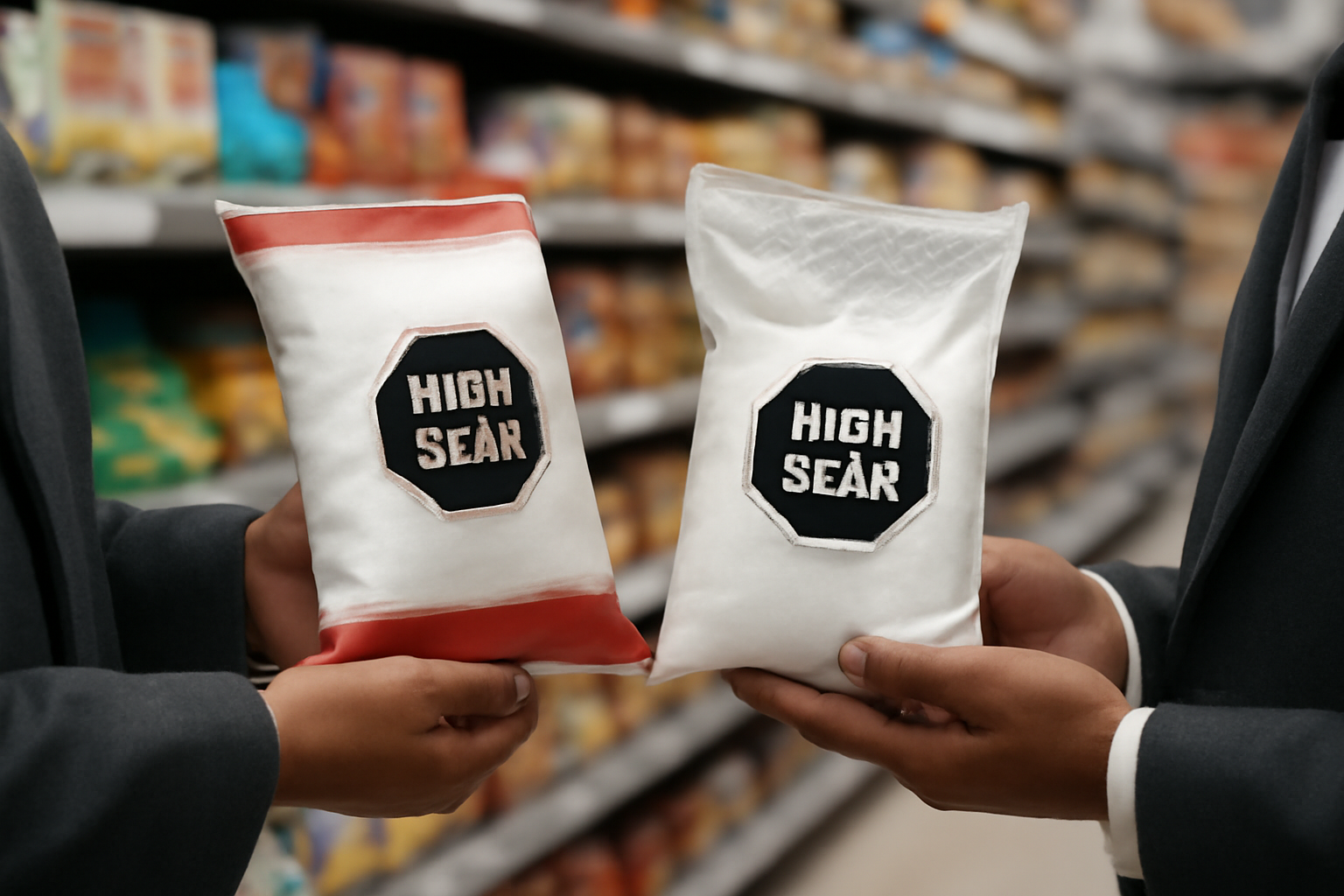
The comparison being made is with cigarette packaging, where health warnings are designed to be difficult for consumers to overlook. Applying a comparable principle to packaged food would shift communication from detailed nutritional data toward a simple warning visible at the point of purchase. The proposal does not imply that food and tobacco carry identical risks; it concerns the prominence and clarity of the information presented to buyers.
Labelling could affect competition
Stronger front-of-package warnings could have consequences throughout the packaged-food market. Producers might need to reformulate products, change packaging or reconsider portion sizes if high salt or sugar content had to be displayed prominently. Retailers and distributors would also need to manage revised inventories, while importers could face additional labelling requirements for products manufactured abroad.
For consumers, the issue is whether a warning can communicate relevant information faster than a standard ingredients list or nutrition table. For manufacturers, the key questions include which nutrients would trigger a warning, how the thresholds would be calculated and whether the same rules would apply consistently to domestic and foreign suppliers.
Policy details remain unresolved
The criticism establishes a direction for policy but does not provide a proposed regulation, implementation date, threshold or penalty. It therefore remains unclear whether the pressure will lead to mandatory warning labels, voluntary industry changes or broader enforcement under India’s existing food-safety framework.
Any detailed system would require regulators to define what qualifies as high salt or high sugar and how warnings should appear on different package sizes. Until those standards are specified, the debate will remain focused on principle: cleanliness checks protect consumers at production and sale sites, while clear labels are intended to help them assess packaged products before buying them.