India and EU Regulations Weigh on Indonesian Palm Oil Exports
Indonesia’s palm oil exports fell 18% month on month in April 2019 before recovering partially in May, according to Gapki data reported by ANTARA. Higher Indian import duties and the EU’s RED II Delegated Act intensified pressure in two major destination markets.
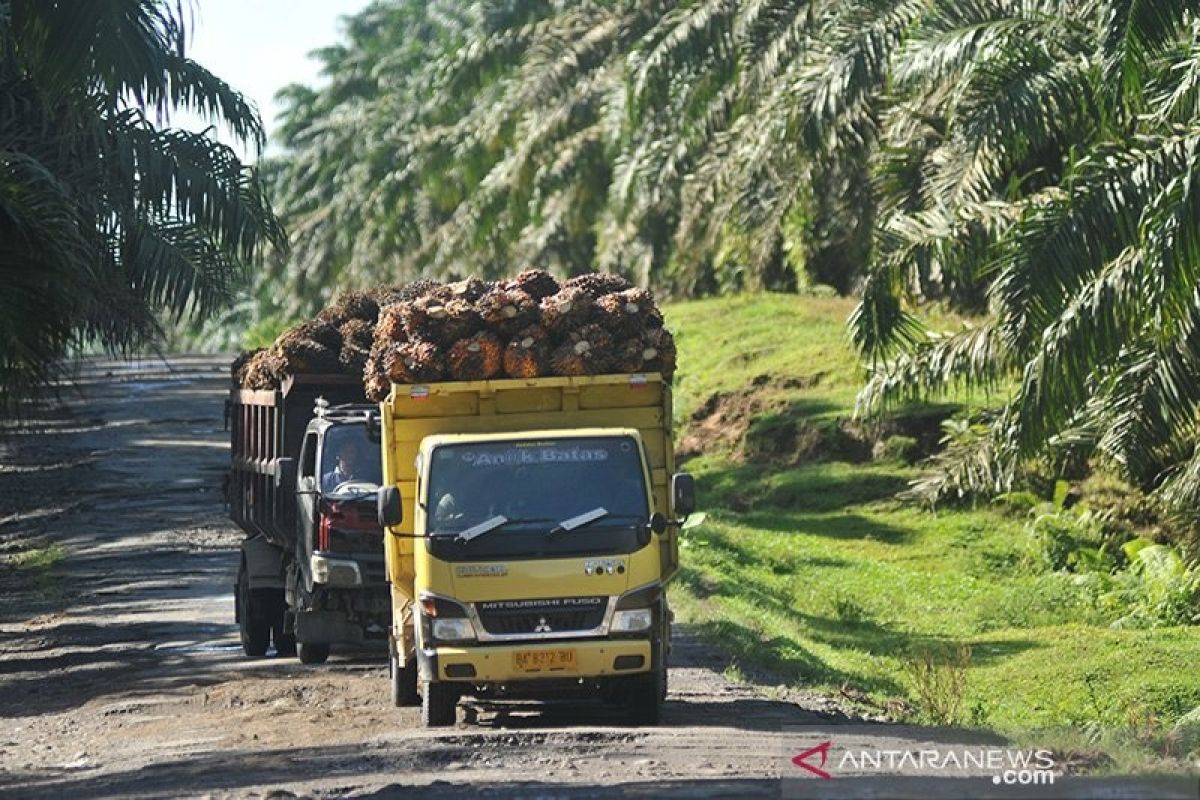
April shipments fall 18%
Indonesia’s palm oil exports weakened in April 2019 as regulations in several major destination markets restricted access for the world’s largest supplier. Data from the Indonesian Palm Oil Association, known as Gapki, showed that total exports of crude palm oil, derivatives, oleochemicals and biodiesel fell 18% from March, declining from 2.96 million tonnes to 2.44 million tonnes.
Shipments recovered to 2.79 million tonnes in May, an increase of 14% from April, but Gapki Executive Director Mukti Sardjono said the improvement remained below expectations. The figures indicate that the rebound did not fully reverse the previous month’s contraction: May volume was still 170,000 tonnes below the March total.
The decline was sharper when oleochemicals and biodiesel were excluded. Exports of CPO and its derivatives dropped 27% in April, from 2.76 million tonnes in March to 2.01 million tonnes. They then rose 18% to 2.40 million tonnes in May, according to Gapki figures reported by ANTARA.
Malaysia gains tariff advantage in India
Gapki identified India’s import regime as one of the trade barriers eroding Indonesia’s position. India had raised its palm oil import duty to the maximum level, while Malaysia secured more favorable treatment through the Comprehensive Economic Cooperation Agreement signed in 2011 and subsequent free-trade negotiations.
The resulting concession reduced the tariff on Malaysian refined palm oil products to 45%, compared with the otherwise applicable rate of 54%. Gapki said this nine-percentage-point advantage allowed Malaysia, the world’s second-largest palm oil producer, to dominate the Indian market at Indonesia’s expense.
The association called on the Indonesian government to accelerate economic cooperation with India and seek equal import tariffs. Without comparable treatment, Indonesian refiners face a disadvantage in a major destination market even when underlying production costs are competitive. The tariff gap may redirect refined-product orders toward Malaysia and leave more supply available in Indonesia.
European shipments contract after RED II act
In Europe, Gapki linked deteriorating market sentiment to the EU’s adoption of the RED II Delegated Act in March. Indonesian exports of CPO and derivatives to the region fell 37% between March and April, from 498,240 tonnes to 315,240 tonnes. Shipments declined by a further 4% in May to 302,160 tonnes.
The two-month fall reduced monthly volume to Europe by 196,080 tonnes compared with March. For Indonesian producers and processors, sustained weakness in Europe would increase reliance on other buyers and could add to domestic inventories if alternative demand does not absorb the displaced cargoes.
China provides only a partial offset
China initially helped compensate for losses elsewhere. Indonesian shipments to China rose 41% in April, from 353,460 tonnes to 499,570 tonnes. The increase proved temporary, however, as May exports fell 18% to 410,560 tonnes. Gapki reported a similar weakening in Bangladesh.
The destination data show that regulatory pressure in India and Europe was accompanied by volatile demand in other Asian markets. May’s overall recovery prevented a second consecutive monthly fall, but exports remained below March levels. For producers, refiners and traders, the immediate issue was therefore not only total demand but also whether Indonesia could restore competitive access to India and find stable outlets for volumes displaced from Europe.