India’s ethanol drive pushes egg prices up 35-40% as maize feed costs rise
Egg prices in India have risen 35-40% over the past year, with retail prices reaching ₹8.50-₹9 per egg. Jagran reports that increased use of maize for ethanol has tightened supplies for poultry feed, raising costs for egg producers and creating further inflation risk for chicken.
Retail egg prices approach ₹9
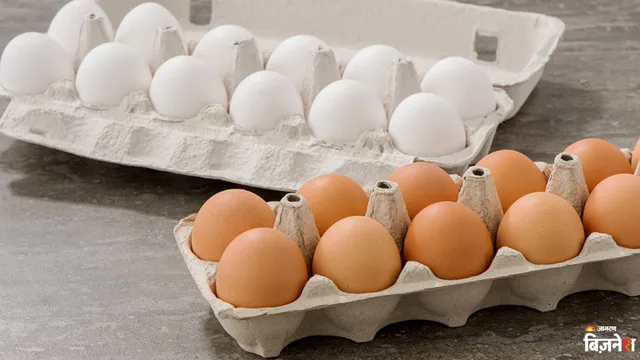
Egg prices in India have increased by about 35-40% over the past year as poultry producers face higher feed costs. Jagran, citing current market data and reports from the National Egg Coordination Committee, said the ex-farm price has climbed to about ₹7 per egg, while consumers are paying ₹8.50-₹9 in retail markets.
The rise is significant for a product widely regarded in India as an affordable and accessible source of protein. Eggs that previously sold for ₹5-₹6 each now take a larger share of household food budgets. A crate of 30 eggs consequently costs substantially more, although the source did not provide a comparable crate price.
The increase has not been attributed to a seasonal poultry disease or a shortage of birds. Instead, Jagran linked it primarily to competition for maize between livestock-feed users and ethanol producers supplying India’s petrol-blending programme.
Ethanol plants compete with poultry farms for maize
Maize is the central energy ingredient in poultry rations and accounts for approximately 50-60% of chicken feed, according to poultry specialists cited by Jagran. Changes in maize availability and price therefore pass directly into the operating costs of layer farms producing eggs and broiler farms supplying chicken meat.
India previously produced ethanol mainly from sugarcane, but maize is now also being used on a large scale. As more maize supplies have moved toward ethanol factories and distilleries, the volume available to the poultry sector has tightened. Jagran said the imbalance between stronger demand and reduced open-market availability has pushed maize prices to record levels, without specifying a price.
Feed is a major recurring expense for poultry operators. Producers facing more expensive maize have limited scope to absorb the increase, particularly when other farm costs remain unchanged. The higher feed bill has therefore moved through the supply chain into ex-farm and retail egg prices.
Smaller farms retreat as chicken risk increases
Some small poultry-farm owners have closed their operations because of rising costs, according to the report. Their exit has reduced overall egg supply, reinforcing the price pressure created by more expensive feed. The combination leaves remaining producers with higher input costs while consumers encounter fewer low-priced eggs in the market.
The next concern is broiler chicken. Egg and meat producers rely on the same maize-intensive feed base, so prolonged competition from ethanol plants could also raise chicken production costs. The available figures do not establish how much chicken prices may change, but the pressure on feed markets points to continuing inflation risk for both products. For poultry farmers, traders and food processors, future prices will depend heavily on maize availability and the scale of demand from distilleries.