India’s ED uncovers alleged ₹337 crore betel nut smuggling network linked to Myanmar
India’s Enforcement Directorate has uncovered an alleged network smuggling betel nut from Myanmar into India. The case, valued at ₹337 crore, involves fake e-way bills and benami bank accounts.
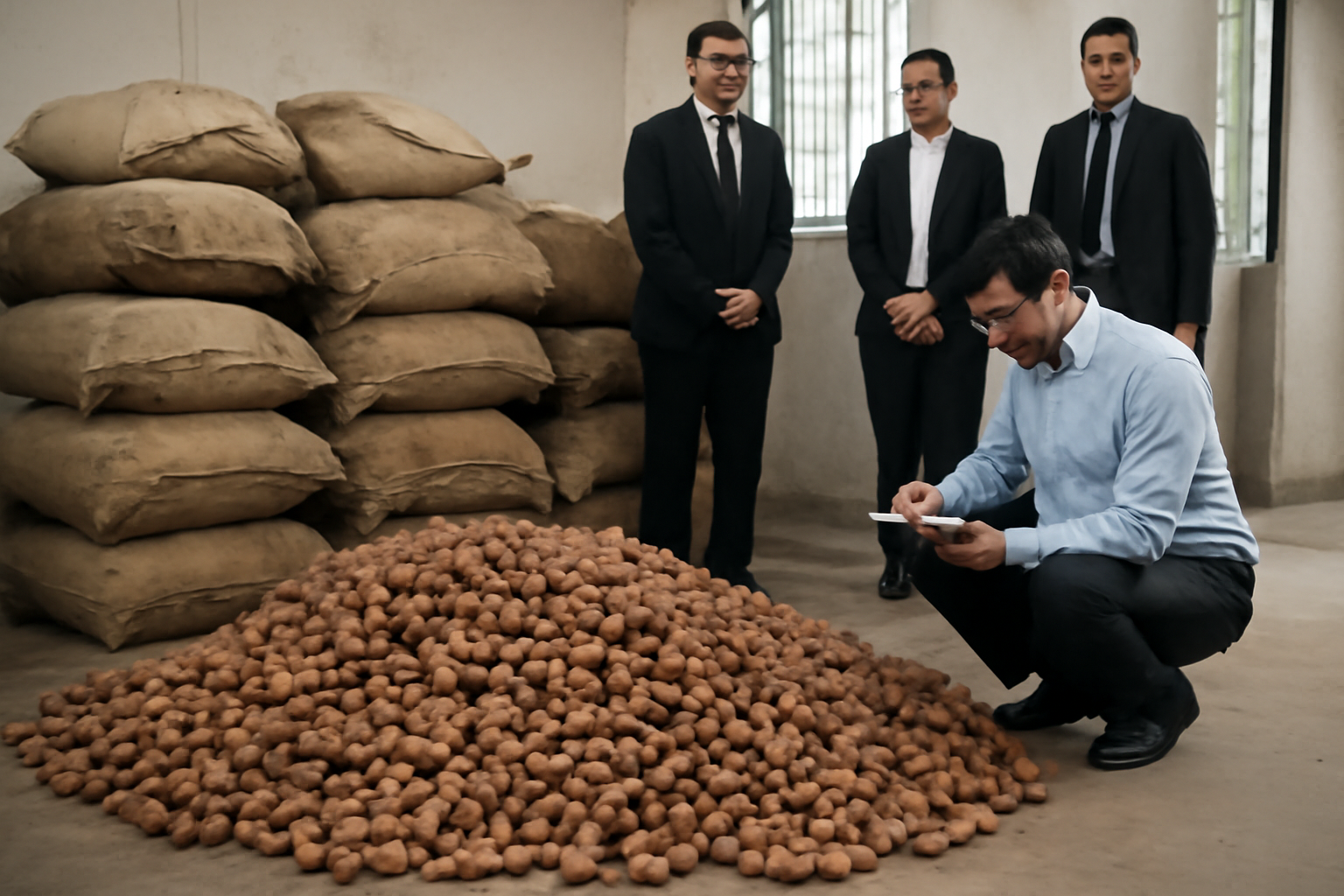
Enforcement Directorate targets cross-border betel nut trade
India’s Enforcement Directorate has uncovered an alleged network involved in smuggling betel nut, commonly known as supari, from Myanmar into India. The transactions under investigation are valued at ₹337 crore, according to the information released about the case.
The alleged operation used fake electronic way bills, or e-way bills, and benami bank accounts to support the movement and financing of the product. E-way bills are part of the documentation accompanying the movement of goods in India. Falsified records can make illegally sourced cargo appear to have entered legitimate domestic distribution channels.
The case places renewed attention on the supply chain connecting Myanmar with India’s betel nut market. The available information does not identify the volumes involved, the period covered by the transactions or the companies and individuals suspected of participating in the network. It also does not specify whether the ₹337 crore figure represents the estimated value of the smuggled goods, associated financial transactions or the broader proceeds examined by investigators.
Fake documents and benami accounts
The combination of fake e-way bills and benami accounts indicates that investigators are examining both the physical movement of betel nut and the financial infrastructure allegedly used to support it. A benami account is held or operated in one name while its effective control or benefit belongs to another party. Such arrangements can obscure the people directing transactions and complicate efforts to trace payments.
For legitimate processors, wholesalers and traders, document fraud creates a direct compliance and pricing problem. Betel nut entering the market outside normal customs and tax procedures can compete with properly documented supplies without bearing the same regulatory costs. The disclosed material, however, provides no comparison between prices for the alleged smuggled product and prices in India’s legal market.
The investigation is also relevant to transporters and buyers relying on e-way bills to verify the origin and movement of consignments. If false documents are accepted at multiple stages, the product can pass through warehouses and trading networks while appearing to be domestic or lawfully acquired. The information released so far does not explain how the alleged documents were generated or how the network was detected.
Market participants face closer scrutiny
The ₹337 crore value makes the case significant for India’s betel nut industry, particularly businesses sourcing material in regions connected to the Myanmar border. Traders may face closer examination of invoices, transport records, supplier identities and payment accounts as enforcement agencies follow the alleged transaction chain.
No arrests, seizures, charges or court findings were detailed in the material provided. The allegations therefore remain part of an enforcement investigation, and the legal responsibility of any specific person or business has not been established in the available information.
For the market, the immediate issue is traceability. Buyers and processors dealing in supari will need to distinguish supplies supported by authentic tax and transport records from cargo introduced through falsified paperwork. Further disclosures from the Enforcement Directorate will be needed to determine the network’s geographic reach, the quantity of betel nut involved and the effect of the investigation on supply flows between Myanmar and India.