Indian direct-seeded rice study reports 90% cut in methane emissions
Research by Himachal Pradesh Agricultural University found that direct-seeded rice could reduce methane emissions by 90%. The method was also associated with water savings, lower cultivation costs and improved yields, although the available findings provide no detailed commercial-scale results.
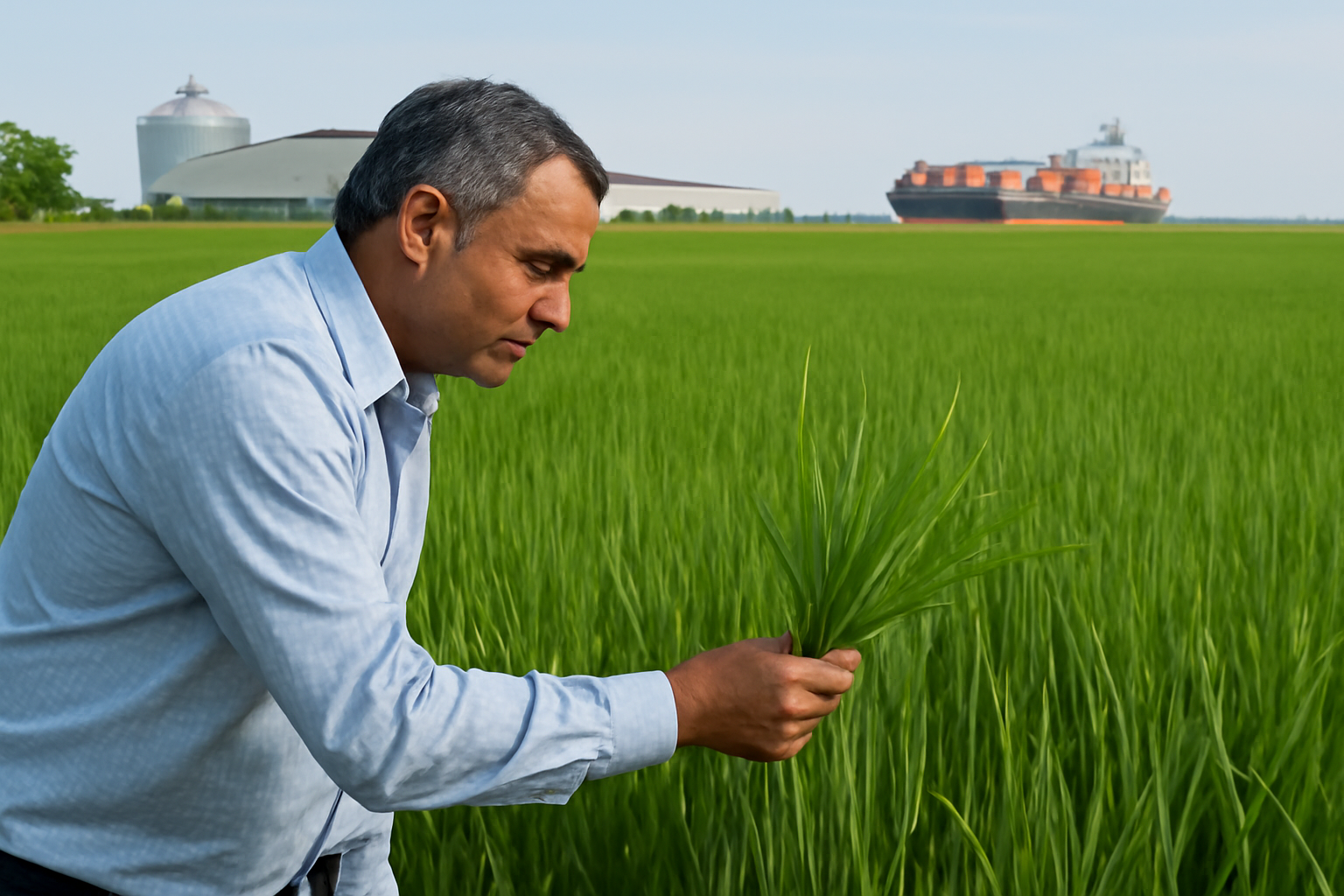
Direct seeding delivers a large methane reduction
A multi-year study by Himachal Pradesh Agricultural University has found that direct seeding of rice can reduce methane emissions by 90%. The research also linked the cultivation method with lower water use, reduced farming costs and improved yields, presenting it as a possible route to lower-carbon rice production.
Direct seeding changes the way a rice crop is established. Instead of focusing only on output, the study assessed a combination of environmental and farm-level indicators. The reported methane reduction is its most significant result because methane is one of the greenhouse gases associated with rice cultivation. Water savings are also commercially relevant in production areas where irrigation availability and pumping costs influence planting decisions.
Costs and yields will determine adoption
For producers, the combination of lower cultivation costs and better yields could be as important as the emissions result. A lower-carbon technique is more likely to gain acceptance if it also protects farm margins. The findings therefore connect environmental performance with the practical economics of rice production rather than treating emissions reduction as a separate objective.
The available source material does not quantify the water saved, the reduction in cultivation costs or the improvement in yields. It also does not specify the trial area, rice varieties, soil conditions or the farming practices used as the comparison. Those details will be important when assessing whether the reported benefits can be reproduced across India's diverse rice-growing regions and under commercial conditions.
Potential relevance for the rice supply chain
A verified 90% reduction in methane would be relevant beyond the farm. Rice processors, buyers and food companies increasingly need credible production data when evaluating the environmental footprint of their supply chains. Direct-seeded rice could offer them a production-based route to lower emissions without relying solely on measures taken after harvesting.
The findings may also matter for irrigation planning. If direct seeding consistently uses less water, it could reduce pressure on water supplies and lower energy requirements associated with irrigation. Producers would still need evidence that the method performs reliably across seasons and does not introduce new operational costs that offset the reported savings.
Further validation remains necessary
The university's multi-year work gives the findings more relevance than the result of a single-season observation. Even so, the information provided does not include the study's full methodology, absolute emissions measurements or statistical results. The 90% figure should therefore be treated as a research finding that requires detailed review and wider field validation, not as a guaranteed outcome for every rice farm.
The next test is scalability. Farmers, processors and policymakers will need comparable trials across different production systems, alongside clear measurements of water, costs, yields and methane. If those trials confirm the reported combination of benefits, direct seeding could become a practical tool for reducing the climate and resource intensity of Indian rice production while supporting farm profitability.