India Considers Restricting Carbosulfan Used on Rice, Cotton and Horticultural Crops
India’s central government is considering placing Carbosulfan in a restricted category. The insecticide is used on paddy, cotton and horticultural crops, so any measure could affect farmers and agrochemical suppliers across the country.
Government reviews Carbosulfan use
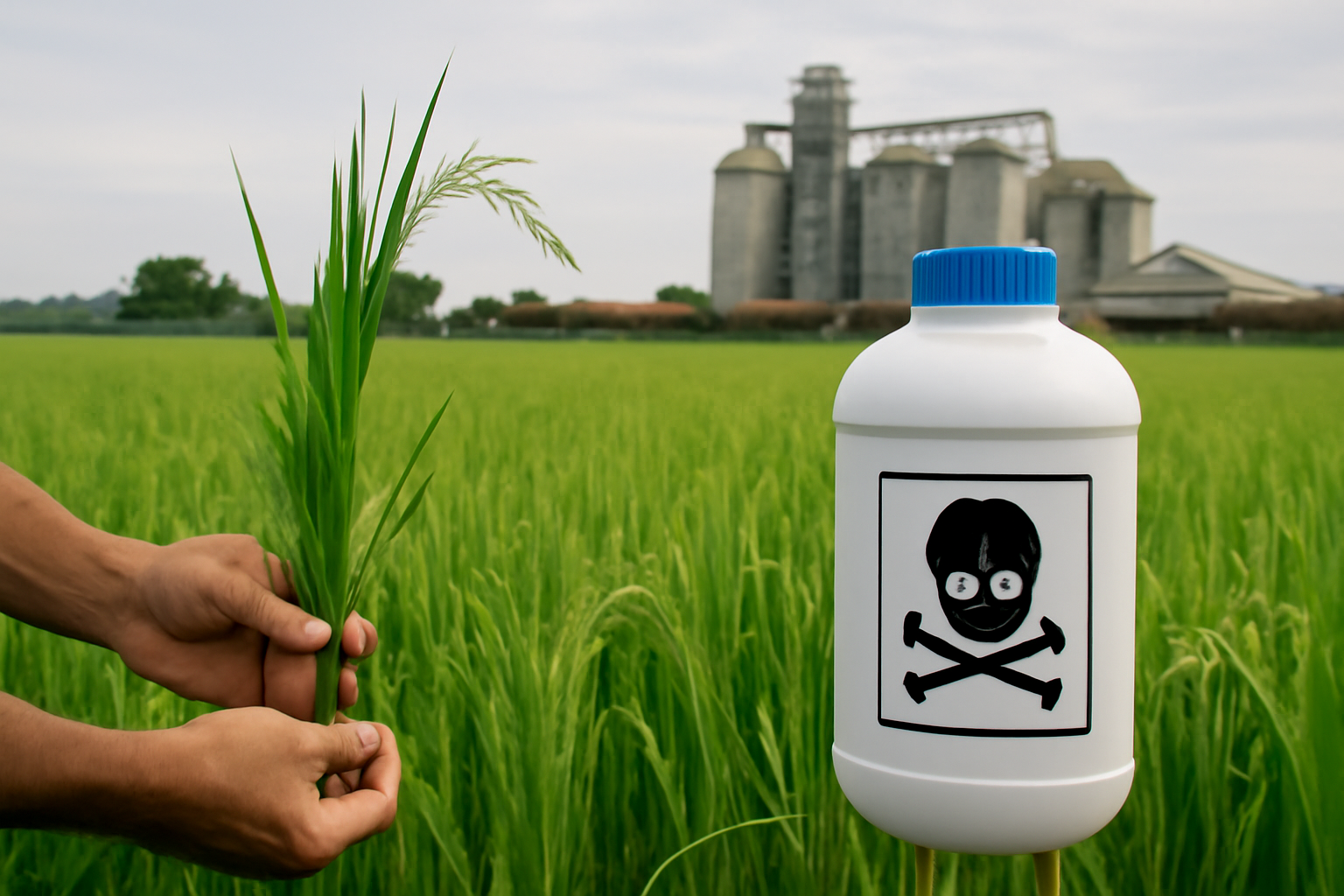
India’s central government is considering placing Carbosulfan, an insecticide used on paddy, cotton and horticultural crops, in a restricted category. The measure remains under consideration, and the available information does not specify a final decision, an implementation date or the precise conditions that a restriction might impose.
The review matters because the product is used across several major segments of Indian agriculture rather than on a single crop. Paddy and cotton producers could be directly affected, alongside growers of horticultural crops. Agrochemical manufacturers, formulators, distributors and rural input retailers would also need to assess their exposure if the government proceeds.
Farmers and suppliers face uncertainty
The immediate issue for farmers is whether they would retain access to Carbosulfan, face tighter conditions on its use or need to replace it. Each outcome would have different consequences for crop-protection planning. Until the government defines the proposed measure, growers cannot determine whether existing practices will remain permitted or whether alternative products will be required.
Suppliers face a similar lack of clarity. A restriction could affect demand, inventories and sales channels for products containing Carbosulfan. Companies serving paddy, cotton and horticulture markets may need to review product portfolios and prepare alternatives, but the source material provides no information on transition periods, exemptions or the treatment of stocks already in the distribution system.
The potential effect on farm input costs will depend on the scope of the measure and the availability and pricing of substitutes. No comparative prices or cost estimates have been disclosed. It is therefore too early to quantify the financial impact on producers or to conclude that replacement treatments would necessarily cost more.
National implications across crop markets
Because the possible action is being considered by the central government, its implications would be national. The breadth of crops involved could make implementation important for agricultural supply chains, particularly businesses selling insecticides into rice-, cotton- and horticulture-producing areas.
For processors and commodity buyers, the main question is whether a restriction would change pest-management practices enough to influence crop availability, quality or production costs. The current information provides no production-loss forecast and no evidence of an immediate effect on domestic supplies or trade flows. Any such impact would depend on the final rules and farmers’ ability to adopt permitted alternatives.
Market participants will need the formal government decision before making firm operational assumptions. Key details include whether Carbosulfan would be prohibited outright or remain available for limited uses, which crops and formulations would be covered, when the rules would take effect and how existing inventories would be handled.
Decision will shape the adjustment
The distinction between a restriction and a complete ban is commercially significant. Limited authorization could preserve some demand while changing application practices or approved crop uses. A broader prohibition would require a more extensive adjustment by suppliers, retailers and farmers.
For now, the development is a regulatory proposal rather than a completed policy change. Farmers and agrochemical companies must monitor the process, but the available facts do not support assumptions about timing, enforcement or the size of the eventual market impact.