Serbian and Bulgarian imports push Croatian plum prices down to €0.50 per kilogram
A strong plum harvest in Slavonia has coincided with heavy supplies from Serbia and Bulgaria, cutting the Croatian purchase price from €1.10 to €0.50 per kilogram in one week. Growers are considering removing orchards, while storage, processing and distillation offer possible alternatives to selling fresh fruit.
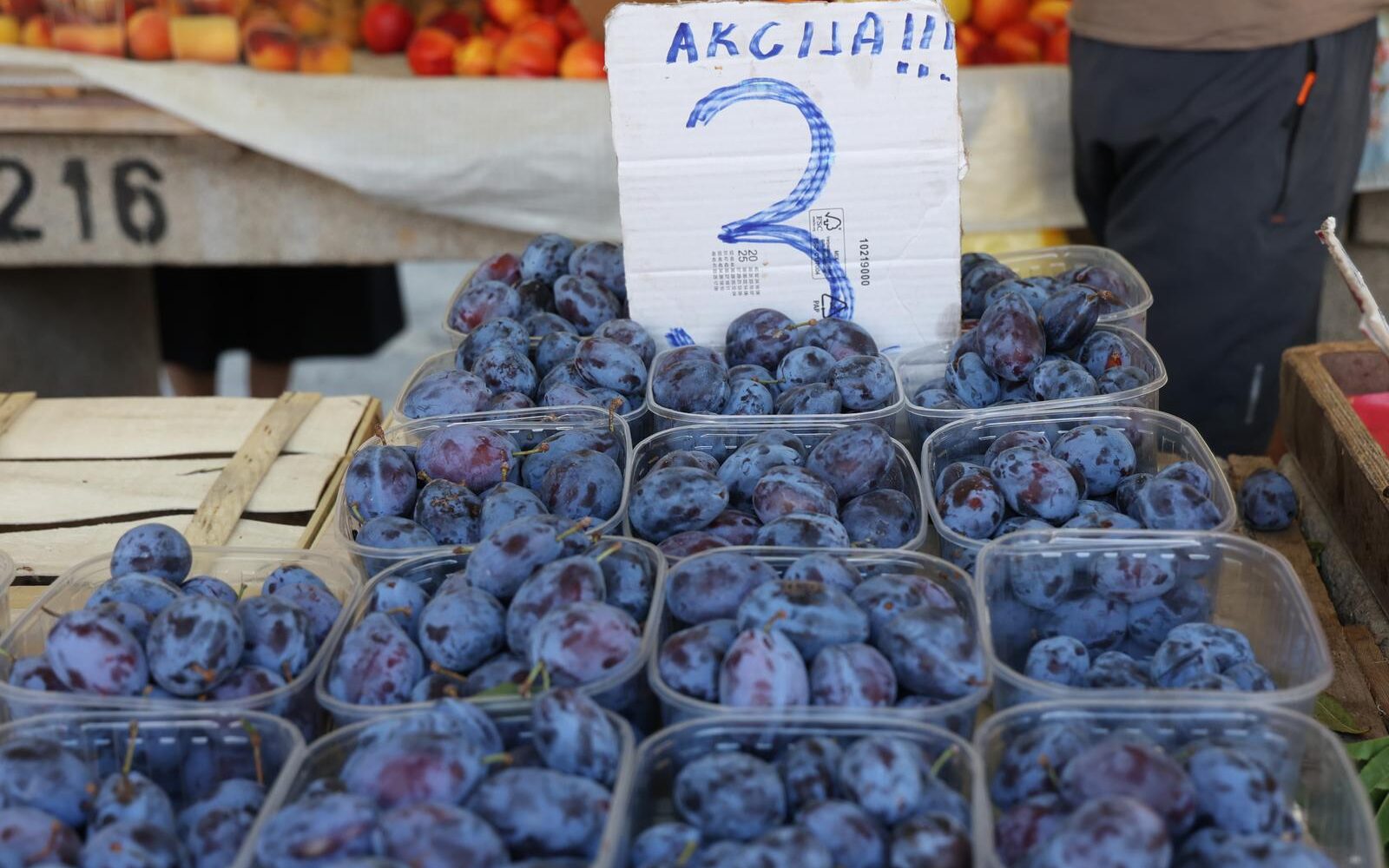
Strong harvest meets a crowded market
Plum growers in Croatia’s eastern region of Slavonia are harvesting a strong crop after three consecutive years of spring frost damage. Orchards on the slopes of Papuk and Krndija are carrying large, sweet fruit, with average production estimated at 30 to 40 kilograms per tree. Andrija Mitrović, a grower from Lukač, told HRT that the crop was solid and the fruit’s health condition satisfactory, according to reports published by Poslovni.hr and SEEbiz.
The recovery in production has not produced a comparable improvement in growers’ earnings. Croatian producers say abundant crops in neighboring Serbia and Bulgaria have sent large volumes of imported plums into the domestic market precisely as the Slavonian harvest reaches buyers. That overlap has created immediate pressure on procurement channels and prices.
Purchase price falls by more than half
Buyers had agreed a purchase price of €1.10 per kilogram at the beginning of the season, but their offers fell to barely €0.50 per kilogram within one week. Damir Bošnjak, a producer from Sesvete, said the price changed on a daily basis. Mitrović said purchasing was even suspended temporarily as fruit from neighboring countries flooded the Croatian market.
The fall from €1.10 to €0.50 represents a decline of more than half in the revenue available from each kilogram sold. At the same time, growers face a shortage of pickers and higher expenditure on fertilizer and crop-protection products. The combination of lower selling prices and elevated production costs leaves even orchards with good yields facing weak economics.
Growers quoted by HRT attribute the price collapse mainly to imports from Serbia and Bulgaria. They are calling on the Croatian government to provide better protection for domestic production and curb what they describe as uncontrolled imports. The supplied reports do not specify import volumes, border prices or the legal measures producers want introduced, making it impossible to assess the market share held by imported fruit.
Processing and storage become critical
Mitrović warned that if current conditions persist, growers could stop planting new orchards and begin clearing existing ones. Such a response would turn a short-term price shock into a longer-term reduction in Croatian plum-growing capacity. For producers, the immediate decision is whether harvesting fruit at the current price covers labor and input costs, particularly where buyers cannot guarantee continuous purchasing.
The Bošnjak family is trying to reduce its exposure to the fresh-fruit market by making fruit brandy and liqueurs in a small distillery equipped with support from European funds. Bošnjak said low-priced raw material can instead be processed into distillate. Processing gives growers another sales channel and a product that is less dependent on the narrow marketing window for ripe fresh plums.
Growers are also looking to the completion of a cold-storage facility and processing plant in Požega. Mitrović expects the project to help fruit and vegetable producers facing storage constraints and allow them to market their output on better terms. Without sufficient cold storage or processing capacity, Croatia’s large crop must compete immediately with regional supplies, strengthening buyers’ position and leaving growers with limited time to negotiate.