ICO raises 2025/26 coffee production forecast as world prices hold steady
The International Coffee Organization has raised its global coffee production forecast for the 2025/26 season, according to Strefa Biznesu. World coffee prices were broadly stable in August, but an improving supply outlook could change the market balance.
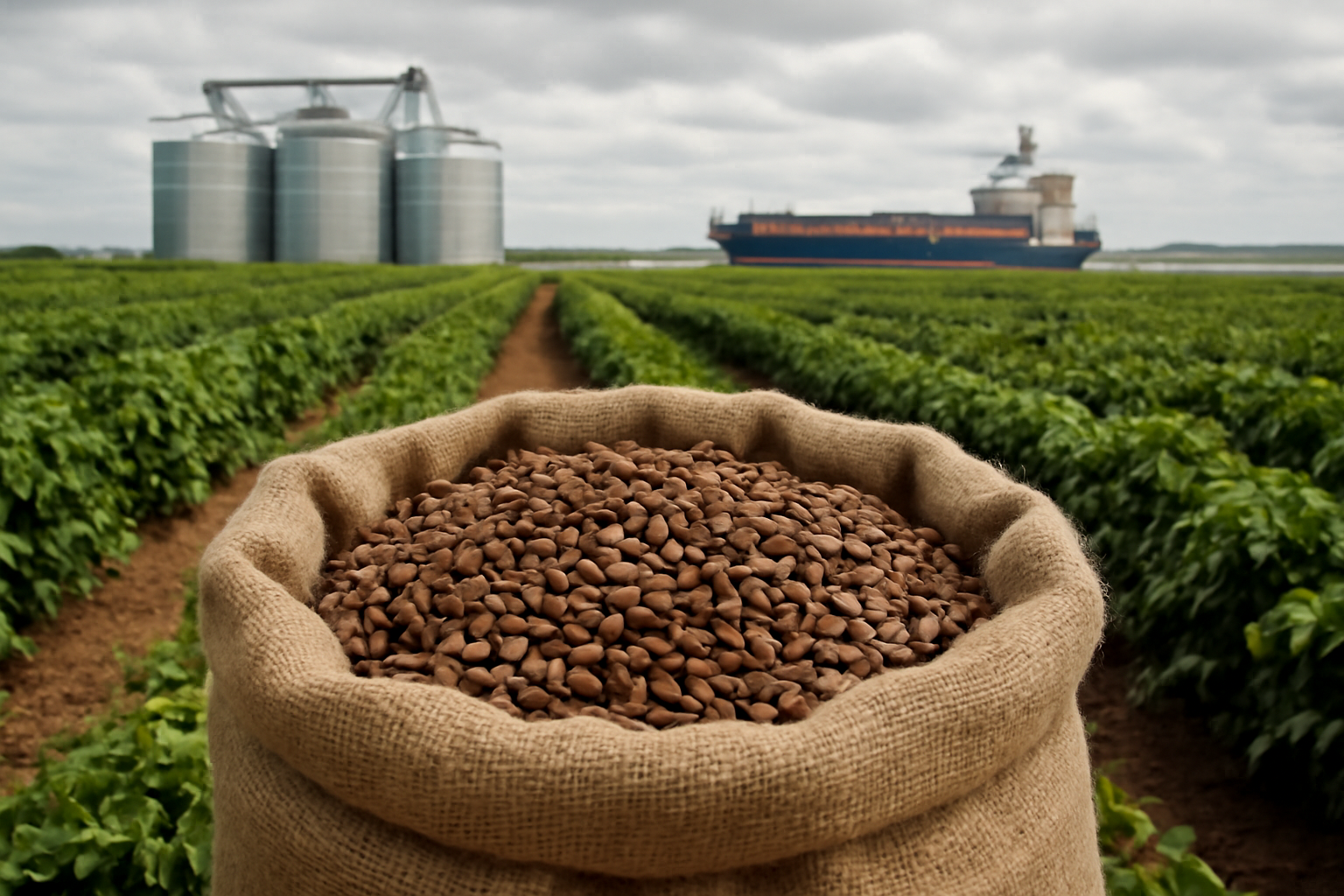
Production outlook improves
The International Coffee Organization has raised its estimate for global coffee production in the 2025/26 season, according to Polish publication Strefa Biznesu. The available report does not specify the size of the revision or provide separate forecasts for producing countries and coffee varieties.
The upgrade nevertheless changes the direction of the supply outlook. A larger harvest would give roasters and importers more room to secure beans, while increasing competition among producers and exporters. The eventual market effect will depend on whether the additional output reaches international buyers and how it compares with global consumption.
For producing countries, a higher worldwide estimate is not automatically evidence of uniform growth. Coffee output can vary substantially among origins, and the report provides no country-level breakdown. Traders will therefore need to distinguish between an increase concentrated in a few markets and a broader recovery across the producing sector.
Prices were stable in August
World coffee prices were virtually unchanged in August, Strefa Biznesu reported. That stability suggests the market had not yet made a decisive move in response to the improving production outlook. It may also indicate that buyers and sellers were waiting for clearer evidence about crop availability.
A production forecast alone does not guarantee immediate physical supply. Harvest timing, processing and the movement of beans from farms to export markets determine when additional production becomes commercially available. Until those flows are visible, importers and processors may remain cautious about changing procurement strategies.
The lack of movement in August prices is therefore an important reference point rather than proof of a lasting equilibrium. If the upgraded forecast is confirmed by harvested volumes, the market could face more selling pressure. If the revision is not supported by actual availability, recent price stability may persist or give way to renewed volatility.
Trade will test the new balance
Export data and deliveries to major consuming markets will be the practical test of the ICO’s more optimistic estimate. Higher production can affect prices only when beans enter commercial channels in sufficient volumes. Producers will watch whether demand absorbs the additional supply, while roasters will assess whether improved availability reduces procurement risk.
The next phase of the market will be shaped by the gap between the forecast and physical shipments. A sustained rise in exportable supply would strengthen buyers’ negotiating position and could limit prices. Conversely, any delay between projected production and actual exports would leave traders competing for available coffee despite the higher headline estimate.
For industry participants, the ICO revision is a signal to monitor rather than a confirmed price turning point. The report establishes two facts: the organization has lifted its 2025/26 production outlook, and global prices showed little movement in August. Whether that combination develops into a significant market shift will depend on crop realization, export availability and demand from processors and consumers.