Hochwald to Close Kaiserslautern Dairy Plant as Almil Seeks Insolvency Protection
German dairy group Hochwald is closing its Kaiserslautern plant after concluding that the operation is insufficiently profitable. Its Almil subsidiary has separately filed for self-administered insolvency as prices for milk powders and butter oil decline.
Two restructuring measures at Hochwald
German dairy group Hochwald is restructuring parts of its business as falling dairy commodity prices and weak profitability put pressure on processing operations. According to Czech business publication e15.cz, the group has announced the closure of its plant in Kaiserslautern and is also dealing with insolvency proceedings at Almil, a subsidiary supplying dairy ingredients to the food industry.
Almil has filed for insolvency under self-administration, e15.cz reported, citing German publication ovb-heimatzeitungen.de. The procedure is intended to stabilize the company financially and adapt its operations to a deteriorating market environment. The filing does not mean an immediate shutdown of Almil’s facility in Weiding: Hochwald has said that production there will continue and employees’ wages are secured.
Milk powder and butter oil prices fall
The principal pressure on Almil comes from declining prices for whole milk powder, skimmed milk powder and butter oil. The downturn has been under way since the end of 2025, reducing the value of the ingredients sold by the company. For an industrial supplier, lower selling prices can quickly erode margins when milk procurement, energy, labor and plant utilization do not adjust at the same pace.
The difficulties extend beyond the subsidiary. Hochwald announced in mid-August that it would close its Kaiserslautern plant because of low profitability. The group said it intends to concentrate exclusively on profitable segments. That decision is significant because Hochwald processes more than 2 billion kilograms of milk annually and ranks among Germany’s largest dairy companies. The source material does not specify the Kaiserslautern plant’s capacity, closure timetable or number of affected employees, so the exact reduction in group processing capacity remains unclear.
Consequences for suppliers and buyers
The measures reflect broader weakness in Europe’s dairy market, where prices for raw milk and processed dairy products have fallen sharply this year, according to e15.cz. Lower commodity prices benefit some industrial buyers, but they squeeze processors whose plants depend on high throughput and narrow margins. Hochwald’s focus on profitable segments may therefore redirect milk and investment toward facilities and product categories that offer stronger returns.
For milk suppliers, the main issue is whether volumes previously handled in Kaiserslautern can be absorbed elsewhere within Hochwald or by competing processors. For food manufacturers buying ingredients from Almil, continued production in Weiding limits immediate supply disruption, although the insolvency process introduces uncertainty over the subsidiary’s future structure. Traders will also be watching whether reduced processing capacity affects regional availability of milk powders and butter oil.
Consumer products remain visible in Czech retail
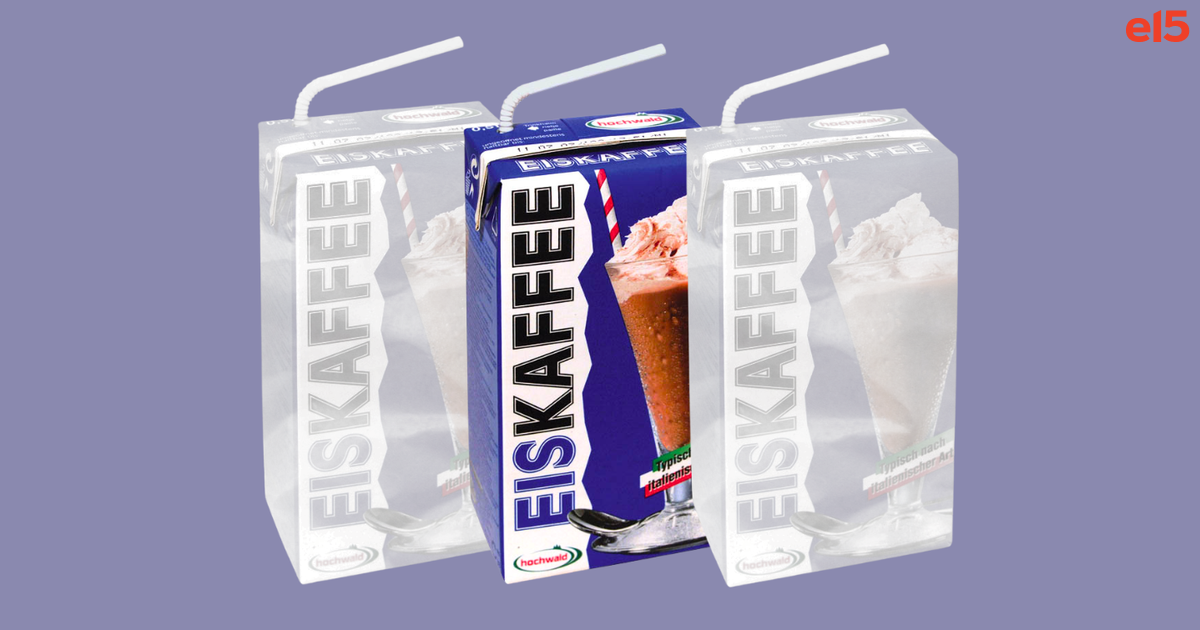
Almil mainly operates as an industrial supplier in the Czech market, while Hochwald has a more visible consumer presence. Its Eiskaffee iced-coffee drinks, sold in distinctive blue packaging, are widely available through Czech retail networks. The reported restructuring concerns the group’s processing footprint and Almil’s finances; the source material does not indicate that Eiskaffee sales or Czech distribution have been discontinued.
The immediate picture is therefore divided. Kaiserslautern is set to close because it is not sufficiently profitable, while Weiding continues operating during Almil’s self-administered insolvency. The durability of that arrangement will depend on whether financial stabilization can offset continued weakness in milk powder and butter oil markets.