Extreme heat and wildfires renew pressure on European olive oil supply
Heat, drought and wildfires are damaging olive-growing areas in Spain, Greece, Italy and Portugal after olive oil prices had begun to ease. The European Commission expects EU output to fall 5% in 2025/26, led by an 18% decline in Greece.
Weather reverses a fragile price truce
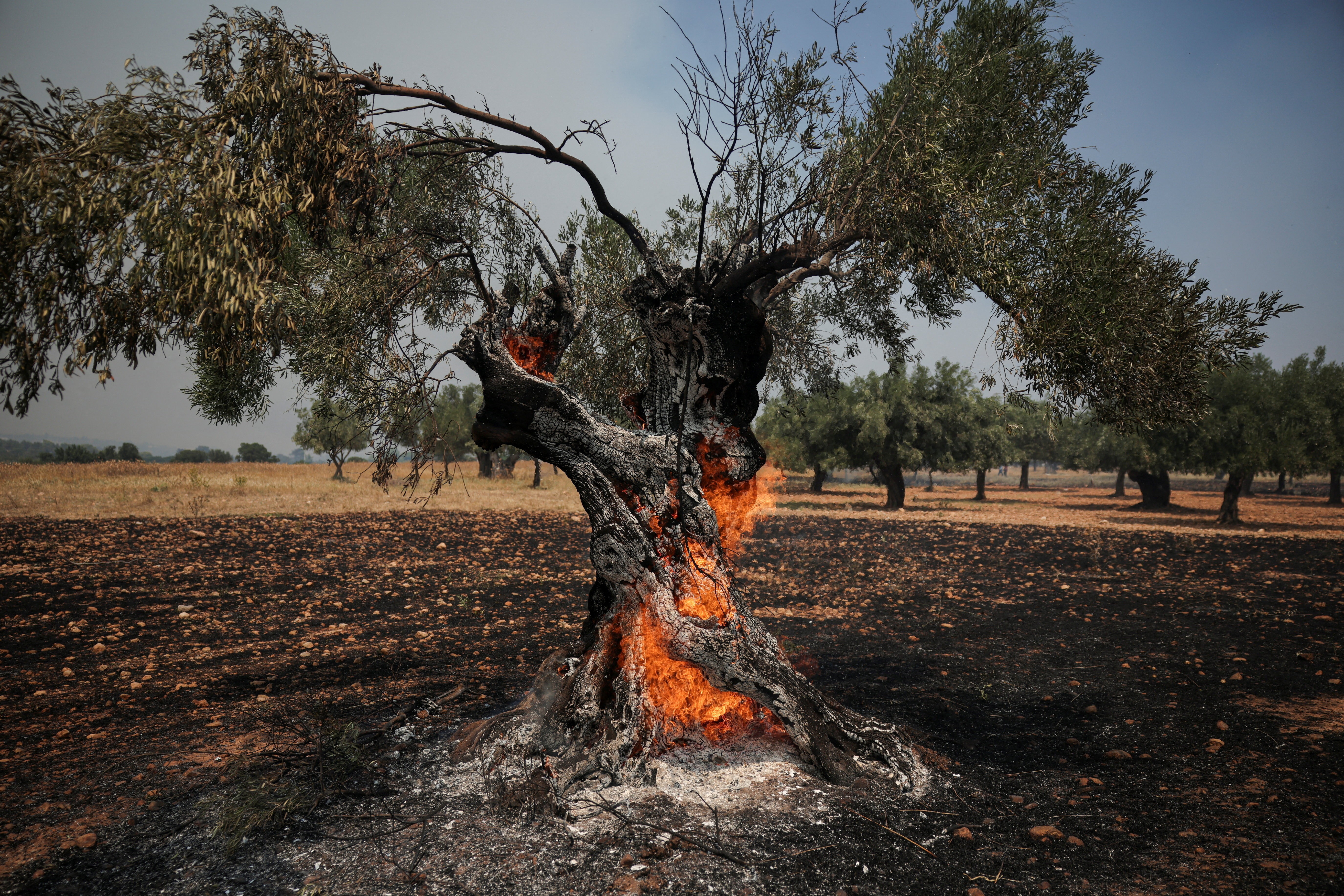
Extreme heat, prolonged drought and wildfires are again threatening olive oil production across southern Europe, shortly after prices began retreating from record levels. According to g1, growers in Spain, Greece, Italy and Portugal are reporting damage to olive groves, weaker crop productivity, deteriorating fruit quality and higher production costs.
The European Commission said in early July that olive oil prices had been declining since April, partly because of surplus Italian production. It nevertheless revised its forecast for EU olive oil output in the 2025/26 season to a 5% contraction. Greece is expected to lead the decline with an 18% reduction. The Commission warned that the outlook for the following harvest depended on avoiding further extreme weather—conditions that deteriorated only weeks later.
Fires and water shortages hit major producers
Spain’s ASAJA agricultural association said wildfires that intensified from mid-July affected orchards, vineyards, farmland, greenhouses and olive groves, according to The Guardian. Thousands of hectares were devastated, with citrus fruit, avocado, almond, vegetable and olive production among the activities exposed. ASAJA said its main concern was not an immediate reduction in exports but rising production costs that would probably be passed on to consumers.
Water restrictions in Spain are also reducing soil moisture and increasing the risk that olives will fall prematurely. Earlier in the year, heavy rain flooded producing areas and lowered harvest forecasts. Spain, the world’s largest olive oil producer, has an outsized role in international price formation, leaving the recent market stabilization vulnerable to further crop losses. The wider agricultural impact is already visible: Spain’s cereal harvest forecast was cut from 24 million to about 18.5 million tonnes before the July fires.
Greek output faces an 18% decline
In Greece, fires have burned productive trees and damaged farm property. Producer Anastasia Hatzoglou told Reuters that her home suffered extensive damage and her olive trees were burned. Greek publication Neakriti reported that the water deficit, compounded by heatwaves and fires, is reducing olive-grove productivity. Growers also report damage from smoke, poorer air quality and a higher incidence of pests and diseases, potentially reducing both fruit size and oil quality.
Italian publication Dissapore reported similar pressure in Greece, Italy and Portugal, where prolonged heat is helping pests spread as fires reach olive-growing districts. The underlying exposure is increasing: climate studies cited by g1 show that the number of summer days combining heat, drought and wind favorable to wildfire propagation has doubled since 1981. Europe experienced temperatures above 40 °C in several countries during June and July 2026, while average temperatures on the continent are now 2.5 °C above pre-industrial levels. For processors, traders and food manufacturers, the immediate risk is renewed cost volatility rather than a confirmed shortage. Actual price effects will depend on the final harvest, damage assessments and the amount of usable oil produced from fruit affected by heat, smoke and pests.