Heat advances Spain’s 2026 grape harvest as Utiel-Requena expects bobal losses
Spain’s 2026 grape harvest is starting 10 to 15 days earlier than usual after intense heat accelerated ripening. In Utiel-Requena, producers expect bobal output to fall by 20% to 30%, while wineries face an acute shortage of seasonal workers.
Harvest moves forward across Spain
Spain’s 2026 grape harvest is beginning earlier than usual as winter rainfall, recent heat and a dry summer reshape the production calendar. Levante-EMV reports that picking is expected to start one to two weeks ahead of the normal schedule in wine-producing areas, including the Valencian Community. Andalusia, Extremadura, La Rioja and Aragon have also moved their harvest calendars forward.
Across much of Spain, intense heat waves are expected to bring the harvest forward by 10 to 15 days. High temperatures in La Rioja, Tarragona and Galicia have accelerated veraison and confirmed early fruit maturation. The limited summer rainfall has also restricted fungal diseases such as downy mildew and powdery mildew, supporting healthy grapes and expectations of strong quality. Extreme heat could nevertheless reduce total volumes in some regions.
Bobal production faces a 20%-30% decline
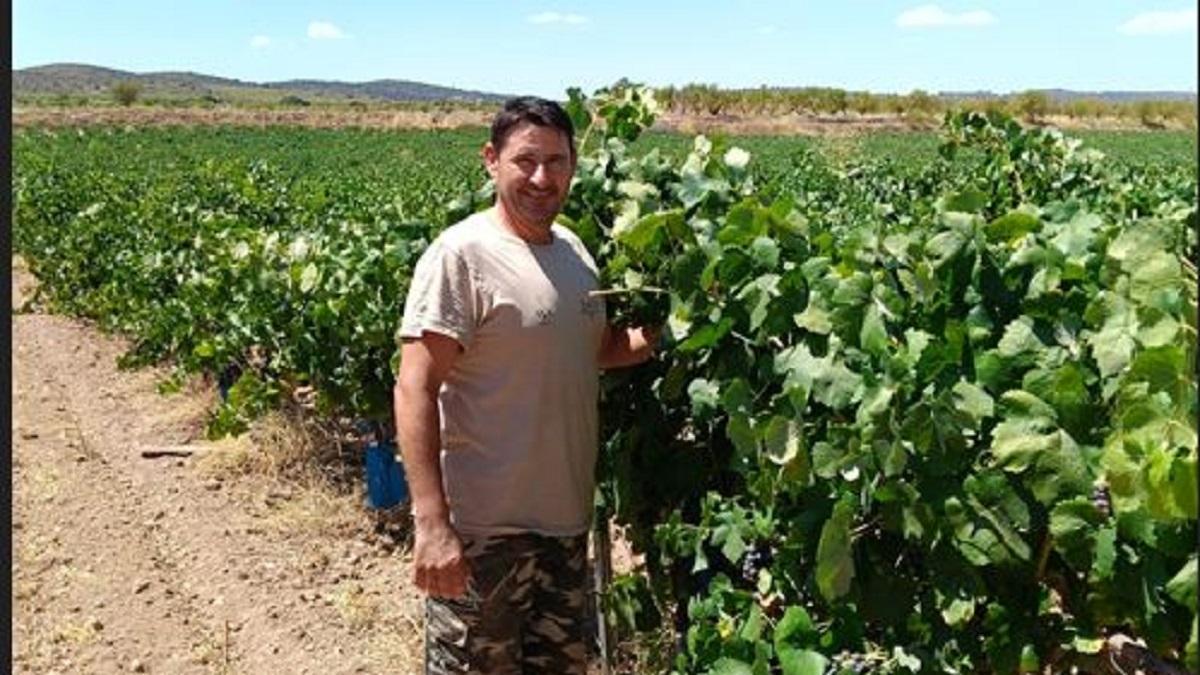
The impact is more pronounced in DO Utiel-Requena, where bobal is the predominant variety. Jacinto Murciano, head of the wine division at the agricultural association AVA-Asaja, told Levante-EMV that local production could decline by 20% to 30% compared with previous campaigns. The expected loss is linked to physiological wilting, in which leaves and fruit dry out under environmental stress, including water shortages.
Murciano manages about 32 hectares of bobal vineyards in Camporrobles, producing 300,000 kilograms of grapes. He plans to begin picking in September, although neighboring growers of chardonnay and macabeo for sparkling wine are due to start from the following week. Depending on rainfall at the end of August, he expects the bobal harvest to begin around 10 days earlier than in previous seasons.
The contrasting conditions complicate national supply estimates. Abundant winter rain supported a large quantity of grapes in most Spanish wine regions, but summer drought and heat now threaten yields in exposed areas. For growers and wineries, the final balance will depend on whether accelerated ripening can be managed without sacrificing fruit quality or leaving grapes unpicked.
Labor shortage raises the risk of crop losses
The compressed calendar has created an immediate recruitment problem. According to Synergie España forecasts cited by Levante-EMV, wineries must mobilize large teams quickly once winemakers determine that grapes are ready. In the previous campaign, 63% of wineries had difficulty filling their workforces. More staff are being sought in 2026 because winter rainfall produced plentiful grapes across many regions.
Grape pickers are the most sought-after workers, followed by box loaders, tractor drivers and field forklift operators. Wineries also need cellar laborers and forklift operators, with a second recruitment wave expected for bottling after picking ends. Synergie España Operations Director Inés Lavadiño said the ability to assemble teams within days is essential to prevent grapes from deteriorating and losing quality.
High field temperatures and candidates abandoning recruitment processes or leaving after a few days are aggravating the shortage. The CC OO trade union says more than 15,000 Spanish workers travel to the French harvest each year in search of better conditions. Lavadiño argues that offering continued employment in bottling or later kiwi and strawberry campaigns could help retain trained workers.
Wineries enter harvest without EU crisis distillation support
The harvest also begins amid pressure from weak consumption, high inventories, lower sales, export difficulties, third-country imports and low producer prices. The European Union has granted France €40 million and Germany €14 million to support crisis distillation, which removes wine from the market to reduce supply. Spain is entering the new harvest without equivalent support. AVA-Asaja has criticized the Spanish government and Agriculture Ministry for not securing EU funding for the measure despite what it describes as similar market problems.