Haridwar starts 40-hectare Pusa Basmati pilot targeting export markets
Haridwar district has enrolled 87 farmers in a 40-hectare pilot using Pusa Basmati 1718 rice. The program provides free seed and production support, while export opportunities will be explored after the harvest with assistance from the REAP project.
Farmers enrolled across two blocks
Haridwar district in the Indian state of Uttarakhand has launched a 40-hectare pilot project to expand Pusa Basmati rice production and connect participating farmers with higher-value markets. According to Jagran, the initiative was developed under a pilot led by Haridwar Chief Development Officer Dr Lalit Narayan Mishra and covers the Bhagwanpur and Bahadrabad blocks.
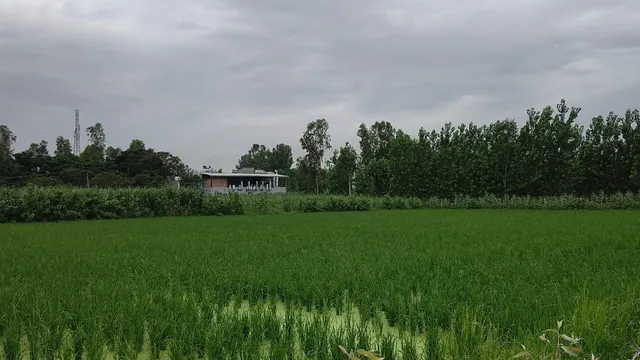
The agriculture department has enrolled 87 farmers and supplied seed free of charge from the district planning budget. In Bahadrabad, 56 farmers from the Laldhang, Shyampur and Gaindikhatta areas are cultivating about 20 hectares. A further 31 farmers in the villages of Khubbanpur and Alawalpur in Bhagwanpur are working another 20 hectares. Both groups have planted the Pusa Basmati 1718 variety, and transplanting has begun. Jagran reports that about six quintals of seed were provided in each block.
Export access remains a post-harvest objective
The program extends beyond seed distribution. The agriculture department plans to support crop monitoring, production and subsequent marketing. Once the rice is harvested, officials intend to work with the REAP project to examine export opportunities. No foreign buyer, sales contract, target destination, export volume or expected farm-gate price has yet been announced.
That distinction is important for participating farmers. They commonly depend on local wholesale markets or commission agents after harvest, according to Jagran. An organized sales channel could broaden their options, but commercial results will depend on yield, grain quality, traceability and the terms offered by processors and traders. Officials also plan to serve demand within Haridwar and nearby areas, potentially reducing the need for farmers to send their crop to more distant markets.
Quality performance will determine expansion
Haridwar already lies within the geographical indication area for Indian Basmati. Citing the Agricultural and Processed Food Products Export Development Authority, Jagran reports that the designated area includes Uttarakhand, Punjab, Haryana, Himachal Pradesh, Delhi, 30 districts of western Uttar Pradesh and three districts of Jammu and Kashmir. The publication also cites Indian exports of about 6.52 million metric tonnes of Basmati rice worth ₹501.38 billion, or $5.67 billion, in 2025-26.
Organic fertilizer is planned for use initially in the Bahadrabad block. Jagran notes that establishments exporting to Saudi Arabia must comply with international food-safety management standards, underlining the quality requirements that would apply if the pilot moves into export supply chains. The agriculture department will assess production and marketing results before enrolling more farmers or extending Basmati acreage to other parts of Haridwar. The first harvest will therefore test whether free seed and technical support can be converted into consistent quality, organized sales and higher farmer income.
