Gyeongbuk supplies nearly 90% of South Korea’s grape exports as shipments accelerate
Gyeongbuk exported $16.01 million of grapes in the first half of 2026, up 44.2% year on year and equal to 89.8% of South Korea’s total. Shine Muscat accounted for more than 99% of export grapes, with the province forecasting annual sales above $80 million as the main harvest begins.
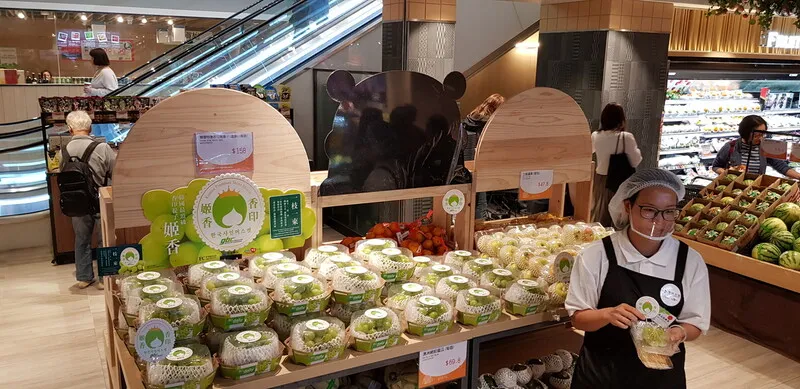
Gyeongbuk strengthens its export lead
South Korea’s Gyeongbuk province accounted for 89.8% of the country’s grape exports in the first half of 2026, confirming its dominant position in the sector. According to provincial data reported by The Hankyoreh, Gyeongbuk exported $16.01 million of grapes from January through June, an increase of 44.2% from the same period a year earlier. Total South Korean grape exports were valued at $17.82 million during the period.
The expansion was even stronger in volume terms. Gyeongbuk shipped 2,071 tonnes, 85.4% more than a year earlier. The difference between the growth rates for volume and value indicates that the average export value per tonne was lower than in the comparable period, although the source data do not provide destination-level prices or an explanation for the change. For growers, packers and exporters, the figures show that overseas demand is absorbing substantially more fruit.
Shine Muscat drives overseas sales
More than 99% of the grapes exported from Gyeongbuk were Shine Muscat. The seedless variety has lost some of its appeal in South Korea after excessive planting and rising domestic supply, according to The Korea Economic Daily, but it continues to attract buyers abroad. This external demand gives producers an additional sales channel at a time when oversupply is weighing on the variety’s position in the domestic market.
Gyeongbuk grapes are currently sold in more than 20 countries, including Taiwan, Hong Kong and Singapore. The province plans to strengthen overseas marketing with campaigns adapted to individual national markets while continuing to support production. The geographic spread offers exporters some destination diversification, although the overwhelming dependence on one grape variety remains a commercial and production risk.
Two decades of export infrastructure
Gyeongbuk began establishing dedicated export-grape production zones in areas including Sangju and Gimcheon in 2002. The program was intended to raise farm income and provide an outlet for excess production. After Shine Muscat was introduced from overseas in 2014, the province made the variety a central part of its development strategy. Exports accelerated from 2018, when their value exceeded $10 million for the first time.
The province’s export system was reinforced in 2020 when Korea Grape Export Association Co., known as K-grape, moved its headquarters from Gyeonggi province to Sangju. The relocation created a support structure closer to growers and packing operations. Gyeongbuk’s grape exports subsequently reached a record $63.31 million last year, illustrating the scale achieved since the early production-zone investments.
Province targets more than $80 million
Gyeongbuk expects annual grape exports to surpass $80 million if the current pace continues and shipments rise during the main harvest. The forecast would represent another record after last year’s $63.31 million result. It is a provincial projection rather than a completed sale, and performance will depend on harvest volumes, fruit quality and demand in overseas markets during the remainder of 2026.
The first-half numbers place Gyeongbuk at the center of South Korea’s export supply chain for fresh grapes: roughly nine out of every ten boxes shipped abroad originate in the province. That concentration gives local producers, packers and export organizations considerable scale, but it also means that changes in Gyeongbuk’s crop or in overseas demand for Shine Muscat can strongly affect the national total.