The Greenery: strawberry market balance "very precarious" as heat pulls berry harvests forward
Hot, dry weather ripened European soft fruit crops far ahead of schedule, opening a roughly four-week strawberry shortage and sending spot prices from 2 euros to about 5 euros within days, The Greenery told FreshPlaza. Raspberry supply was compressed into a short picking window, while growers are switching back to the Elsanta variety for autumn production.
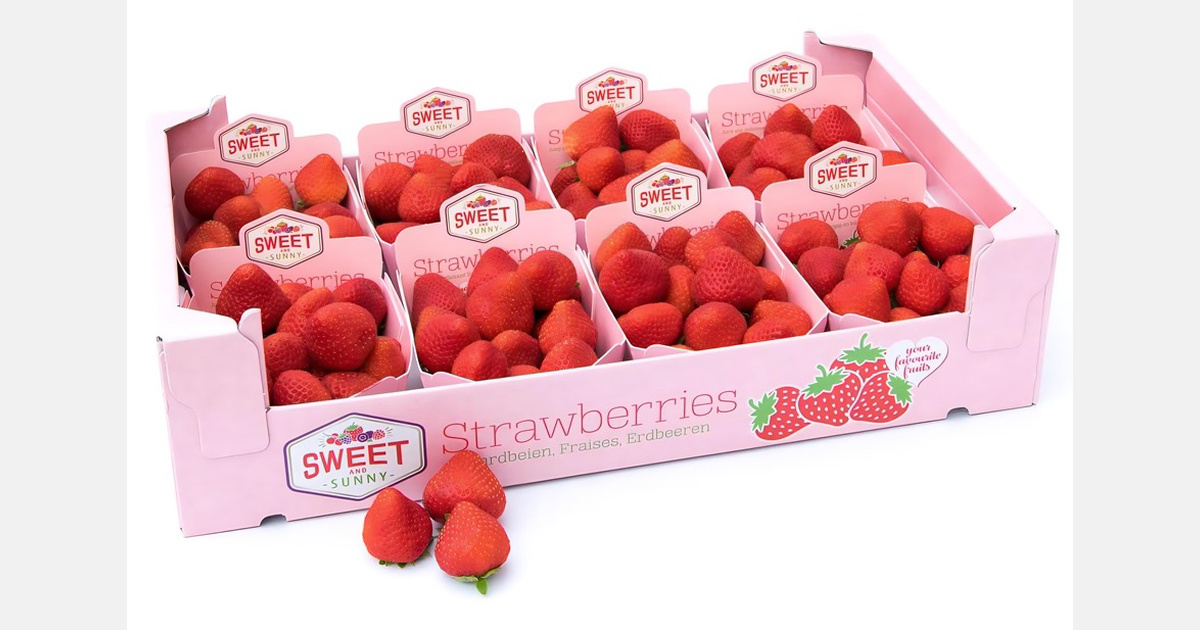
Hot, dry weather has pulled soft fruit harvests forward across the season and left the strawberry market swinging between shortage and surplus, according to Aad van Dijk, head of the fruit division at Dutch grower cooperative The Greenery, in an interview published by FreshPlaza.
"All the crops ripened much faster, which created all sorts of difficulties compared with the original schedule," van Dijk said. Supply and demand are normally matched as far in advance as possible, but the initial forecasts were quickly overtaken by the pace of ripening. Maintaining quality was also a challenge for growers. The Greenery says it coped reasonably well through a set of measures: earlier picking, a refrigerated supply chain and fast handling of the fruit.
Strawberries: four weeks of shortage, spot prices from 2 to 5 euros
On the strawberry market, the weather opened a gap between greenhouse production and open-field production, which van Dijk describes as the direct cause of prolonged shortages. Yields were also not as high as growers had hoped. Together, the two factors left the market short for around four weeks.
In the two weeks before the interview, the balance between supply and demand was, in van Dijk's words, "very precarious". Prices moved sharply: day-trade spot deals at 2 euros were followed a few days later by quotations of around 5 euros. Strawberries, together with cucumbers, are often cited as the most volatile products on the fresh produce market, and van Dijk calls this season a textbook example.
He expects the market to stabilise over the coming weeks, once autumn and greenhouse crops come back into production. That relief may itself arrive early: those crops will also enter production sooner than planned, because growth rates are running extremely high.
Growers return to Elsanta for the autumn
Van Dijk singles out a shift in strawberry varieties as particularly significant. Many growers are returning to the established Elsanta variety for the autumn, after everbearing varieties proved insufficiently productive in low-light conditions. According to van Dijk, this will create a very different market dynamic, especially in November, compared with what the trade has seen in the closing months of recent years.
Raspberries short, blackberries planned around the peak
The raspberry market saw periods of consistent supply, but most of the crop was picked within a short window, which has produced a supply shortage in recent weeks. The Greenery is currently recording good spot prices for raspberries while working through the challenges of meeting retailer requirements.
For blackberries, this is traditionally a period of high supply. The Greenery says it has planned production together with its growers in an attempt to avoid the highest production peak, and that it remains to be seen how that works out. The price pattern is asymmetric: quotations have been low during peak periods, but as soon as supply dips slightly, prices immediately shoot up.
Redcurrants in storage, costs across the chain
Redcurrants are having a good production year. The crop was picked in favourable dry weather and most of the volume is now in storage. This is not traditionally the best moment for sales, given the abundance of product on the market, but sales are proceeding as expected, according to van Dijk.
The wider concern he raises is cost. Energy, labour and inputs have all become very expensive, and the effect is being felt across cultivation and the whole supply chain. "Ultimately, the product will have to retain its value if growth is to continue in a sustainable way," van Dijk concludes.
The Greenery is headquartered in Barendrecht in the Netherlands. The interview did not quantify volumes, yield losses or the cost increases referred to.