Greek Soft Drink Green Cola Moves to Nationwide Distribution in Japan
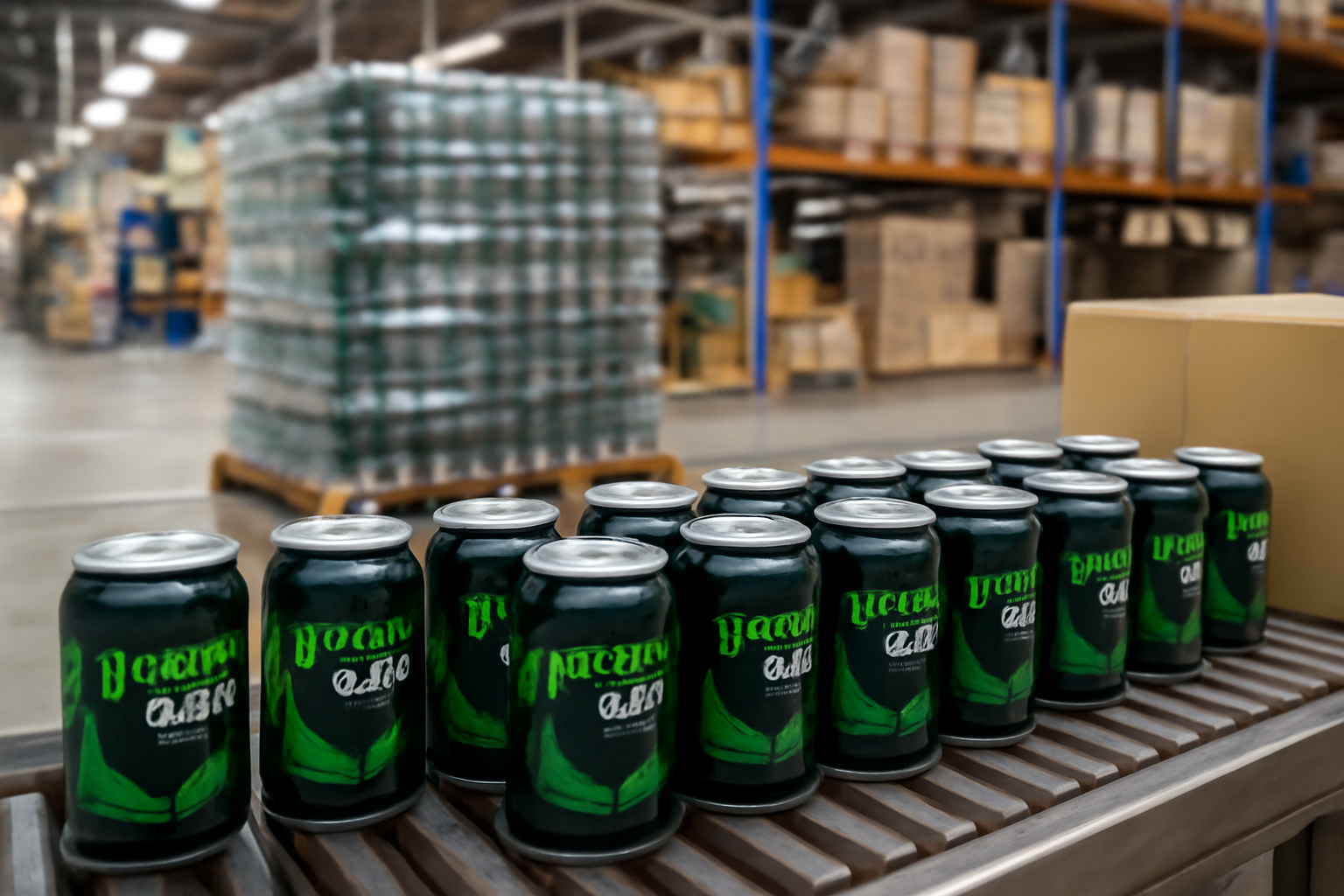
Green Cola has expanded from convenience stores in Tokyo to nationwide distribution in Japan within months, after sales exceeded 14 million bottles. Asahi is now targeting two million cases, marking a substantial increase in the Greek soft drink brand’s ambitions for the Japanese market.
Green Cola broadens its Japanese retail footprint
Greek soft drink brand Green Cola has moved from distribution through convenience stores in Tokyo to nationwide availability in Japan within a matter of months, according to the supplied report. The expansion follows sales of more than 14 million bottles in the country and signals a rapid widening of the brand’s retail reach beyond its initial metropolitan base.
The reported performance gives Green Cola a larger platform in one of the world’s established packaged beverage markets. For the company, the move represents more than an increase in the number of stores carrying its products. Nationwide distribution requires the brand and its commercial partners to manage a broader network of retailers, replenishment points and regional demand patterns while maintaining product availability.
The source material does not specify when Green Cola entered Japan, the period covered by the 14 million-bottle figure or the precise number and size of outlets involved. It also does not provide a regional sales breakdown. The available figures nevertheless indicate that the product gained enough traction in its initial channels to support expansion outside Tokyo.
Asahi raises the volume target
Asahi is now targeting two million cases of Green Cola in Japan, according to the report. The source does not state how many bottles are packed in each case, so the target cannot be directly compared with the reported total of more than 14 million bottles. No deadline for reaching the case target was provided.
The difference in measurement is important for producers, distributors and market analysts assessing the scale of the plan. Bottle sales describe consumer units, while cases are generally used for wholesale planning, warehousing and retail distribution. Without a stated case configuration or target period, the two figures should be treated as separate indicators rather than converted into a single volume forecast.
Asahi’s target still points to expectations of materially broader commercial activity. Moving from selected convenience-store exposure in Tokyo to national distribution increases the number of markets in which Green Cola must compete for shelf space and repeat purchases. It also shifts attention from the success of an initial launch to the brand’s ability to sustain turnover across Japan.
Execution becomes the central test
The next phase will test whether demand established in Tokyo can be replicated nationally. Convenience stores can provide frequent consumer contact and rapid product turnover, but a countrywide rollout introduces regional differences in retailer mix, consumer preferences and sales velocity. The supplied report does not identify which additional retail formats will carry the drink or whether the rollout will include food-service channels.
Production and supply planning will also become more significant as distribution expands. The source does not disclose where products sold in Japan are manufactured, how they are shipped or whether local production is involved. It likewise provides no information on production capacity, pricing, marketing expenditure or the terms of Green Cola’s arrangement with Asahi.
Those missing details limit any assessment of the rollout’s effect on Greek beverage exports or Green Cola’s manufacturing requirements. If products are supplied from Greece, higher Japanese volumes could increase demand for export production and long-distance logistics. If supply is produced closer to the Japanese market, the implications would instead center on local manufacturing and brand licensing. The available material does not establish which model applies.
For industry participants, the clearest benchmarks are therefore the disclosed sales milestone, the shift to nationwide distribution and Asahi’s two-million-case target. Future evidence on the target period, case size, channel coverage and repeat sales will determine whether Green Cola’s early Japanese performance develops into a durable national position.
Full market analysis