Greek yogurt sales rise more than 60% in Russia for two consecutive quarters
Russian sales of Greek yogurt increased 65.3% year on year in the first quarter of 2026 and 63.9% in the second quarter. Demand is being supported by interest in protein-rich foods, probiotics and products that can replace sour cream or mayonnaise.
Growth exceeds 60% for a second quarter
Greek yogurt has become one of the fastest-growing segments of Russia’s dairy market. Mosregtoday.ru reported that sales increased 65.3% year on year in the first quarter of 2026 and 63.9% in the second quarter. The two consecutive gains indicate that demand remained strong beyond a single promotional or seasonal period, although the available data do not specify sales volumes, market value or the retailers included in the calculation.
Moscow recorded particularly high consumption. During the first six months of 2026, residents bought 728 kilograms of Greek yogurt per 1,000 people, according to Mosregtoday.ru. Demand for tvorog, a traditional fresh curd product, also increased, but at a substantially slower rate. This contrast suggests that at least part of the market’s growth is moving toward products positioned around convenience, protein and digestive health.
Protein and probiotics broaden the customer base
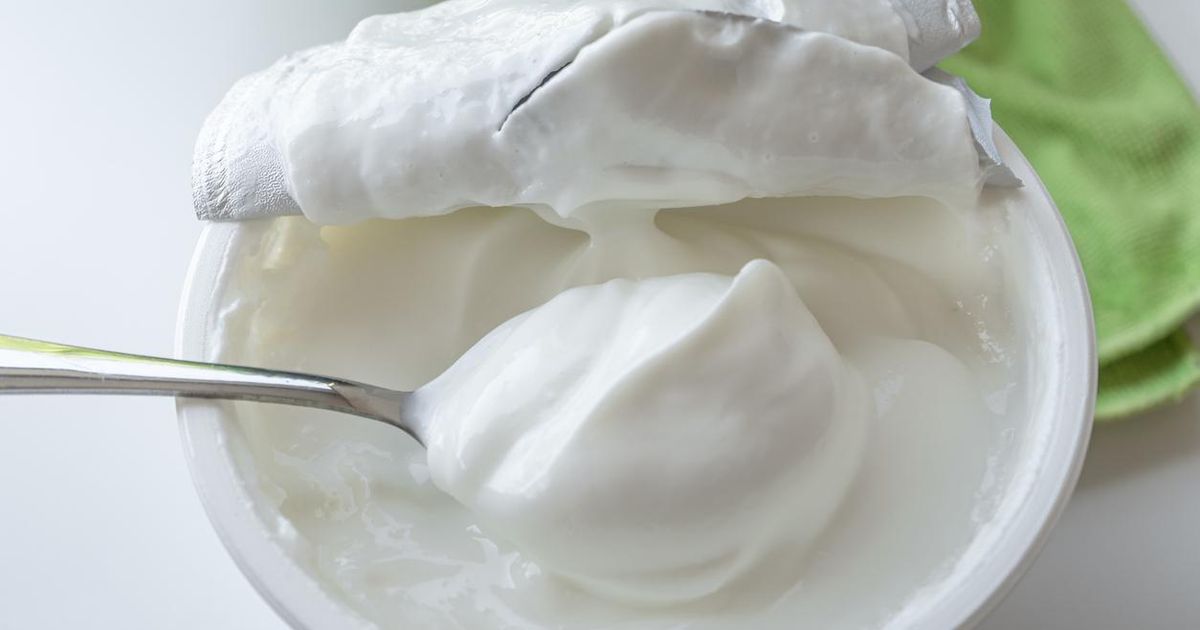
Mosregtoday.ru, citing the Telegram channel Baza, linked the sales increase to widespread interest in healthy lifestyles. Greek yogurt is made by fermenting milk with bacterial cultures and then straining out whey. The process creates a thicker texture and raises its protein concentration compared with conventional yogurt.
Dietitian Andrey Bobrovsky told Vechernyaya Moskva that the product also contains probiotics, calcium, B vitamins and potassium. Its lower lactose content can make it more suitable for some consumers who have difficulty digesting milk sugar. A high satiety index strengthens its appeal as a snack for people managing their diet, while its neutral taste and dense consistency allow it to be used beyond the traditional yogurt category.
Consumers increasingly use Greek yogurt as a substitute for sour cream or mayonnaise in sauces and dressings. That versatility gives dairy processors access to several consumption occasions rather than only breakfast or dessert. It can also support larger pack formats and plain varieties intended for cooking, alongside flavored single-serve products.
Higher price remains a constraint
The product’s nutritional positioning does not remove its commercial limitations. Bobrovsky noted that Greek yogurt generally costs more than ordinary yogurt. It can contain saturated fat, while milk protein may trigger allergies in susceptible consumers. Product formulation therefore matters: fat content, added ingredients and individual dietary needs can affect how buyers assess its benefits.
Bobrovsky also cautioned against treating Greek yogurt and tvorog as direct nutritional equivalents. Greek yogurt has an advantage in probiotics, digestibility and versatility, while tvorog leads in protein, calcium and affordability. For Russian dairy producers and retailers, the sales figures point to room for both categories. Greek yogurt can capture consumers willing to pay for convenience and a health-oriented image, while tvorog retains a strong position among price-sensitive buyers seeking concentrated dairy nutrition.