Greek lemon harvest forecast 30-40% lower as delayed season approaches
Greece’s new lemon harvest is expected to be 30-40% smaller on average and to begin gradually in early September. Large stocks of cheaper lemons from Argentina and South Africa could weigh on the opening market, although Greek grower prices are expected to remain between €0.80 and €1.00 per kg.
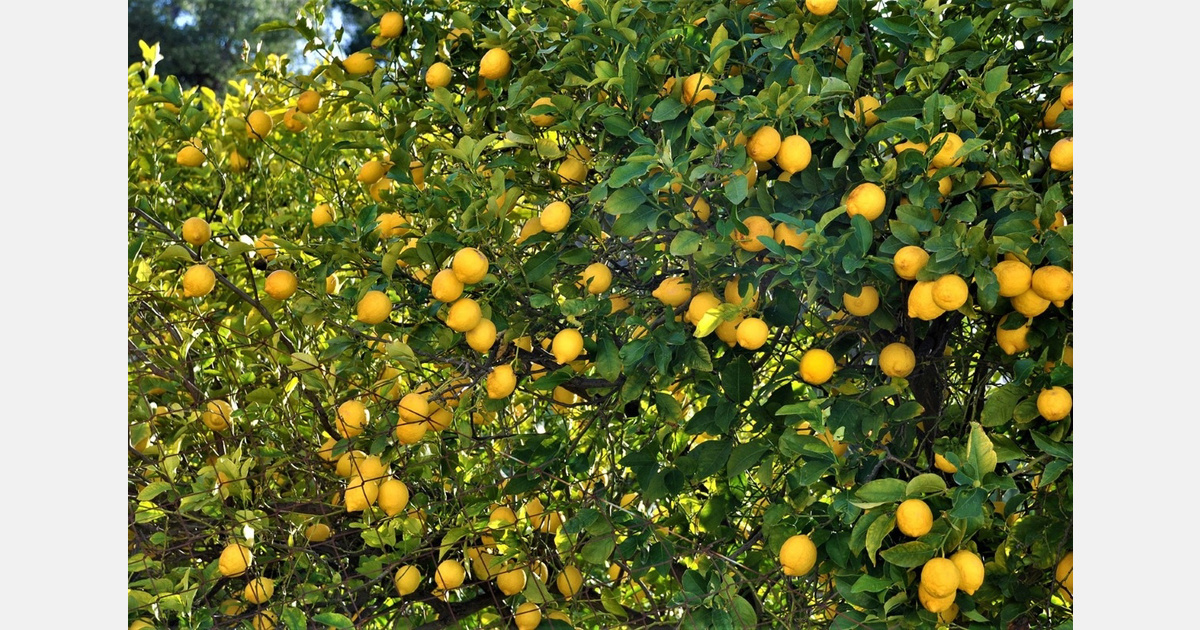
Lower fruit set cuts the crop outlook
Greece’s new lemon harvest is expected to be substantially smaller than last season’s crop, with average production potentially falling by 30-40%. The forecast comes from Andreas Mountzouroulias, owner of Citrus Aigialeias, a citrus company based in Aigio, Greece’s principal lemon-growing area.
Mountzouroulias told FreshPlaza that flowering had been good, but fruit set was weak for reasons that remain unclear. Conditions also vary considerably between orchards: some areas are carrying a good crop, while production is poor elsewhere. The reduction is not uniform across varieties. Maglina lemons are recording the steepest decline, whereas the early Interdonato variety is performing well.
Harvest expected to start gradually
The Greek campaign is also running late, continuing a pattern observed in recent years. Weather conditions have delayed fruit development, and Mountzouroulias expects harvesting to begin gradually during the first ten days of September or, at the latest, by September 15. Producers must wait until the lemons reach adequate juice levels before increasing picking volumes.
The delayed start could restrict the initial availability of domestic fruit even before the smaller crop becomes fully evident. Mountzouroulias noted that Greek orchards have repeatedly produced an unusual seasonal pattern, with additional fruit becoming apparent only after the end of November. That makes the final supply profile difficult to judge at the beginning of the campaign. Exporters and packers will therefore have to manage programs around uneven orchard yields, differences between varieties and a harvest that may build slowly.
Imported lemons pressure the opening market
Market conditions at the start of the Greek season will also depend on imported lemons already in circulation. According to Mountzouroulias, the market is currently dominated by imports, while demand has been unable to absorb the large volumes received this year. Lemons from Argentina and South Africa purchased at €1.60-1.70 per kg initially failed to find buyers. Successive price reductions pushed sales down to €1.10, €1.00 and even €0.90 per kg, generating substantial losses for market participants.
Those discounted stocks could limit the ability of Greek suppliers to raise prices immediately when domestic harvesting begins. However, Mountzouroulias does not expect Greek lemon prices to fall below last season’s levels. He estimates that growers could receive as much as €1.00 per kg, with a likely floor of approximately €0.80 per kg. The combination of a 30-40% average crop reduction and lingering imported inventory creates opposing pressures: tighter Greek production supports prices, while unsold foreign fruit restrains the market. The balance will depend on how quickly imported stocks clear and how gradually the domestic crop reaches commercial maturity.