Greek Hayward Kiwi Crop Forecast to Rise 30% as European Prices Stay Low
Greece’s Hayward kiwi production is forecast to increase by about 30%, adding supply to a European market already facing low prices and substantial stocks. Industry representatives expect prices to remain weak until late January or early February, while exporters seek new outlets in Vietnam and Mexico.
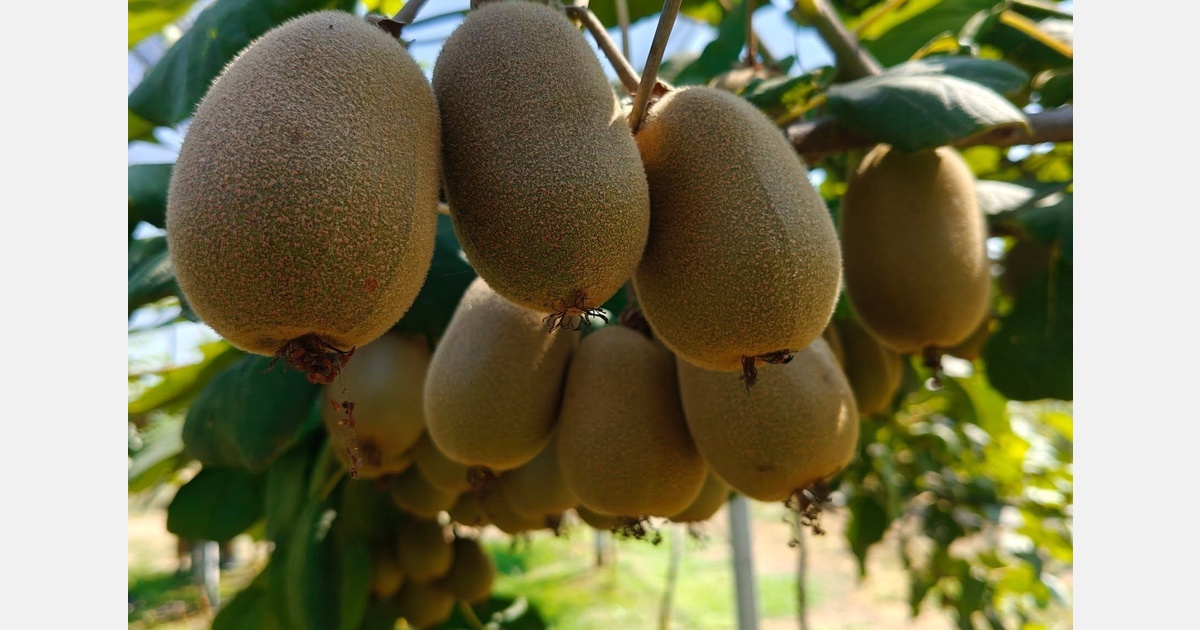
Greek production set for broad increase
Greece’s Hayward kiwi production is expected to increase by about 30% in the coming campaign, with similar growth projected across the country’s main production areas. Christos Kolios, owner of Kolios Group SA and president of the Hellenic Kiwi Interprofessional Organization, told FreshPlaza that the forecasts are based on data collected so far.
Arta is the main exception. Production there is expected to rise by around 20% after hail significantly affected the crop. The damage also applies to the Soreli variety grown in the area. Even so, the Soreli campaign should deliver satisfactory volumes, although fruit sizes are expected to be predominantly small, mainly sizes 30, 33 and 36. Medium sizes are likely to dominate the Hayward crop.
Stocks and demand weigh on prices
The larger Greek crop is approaching a European market where prices are already low and stocks remain substantial. Kolios said signals from the summer market did not indicate strong demand. Based on the current market picture, he expects European kiwi prices to remain depressed until the end of January or possibly early February, while acknowledging that volatile and unpredictable factors could change the outlook.
Storage performance will also be closely watched. Greek cold stores encountered several problems in February because the fruit had limited storage life. Kolios said it was too early to determine whether the same difficulties would return next February, as the first fruit must be harvested before reliable evidence becomes available. The combination of greater supply, subdued demand and uncertain storage performance could increase pressure on growers, packers and exporters to manage sales timing and fruit quality carefully.
Exporters pursue new markets
The Hellenic Kiwi Interprofessional Organization is working to expand international market access. Opening Mexico is currently a priority, and the Greek side has completed the required steps. However, it has not yet received a response from the Mexican authorities. Vietnam will be accessible from the start of the coming campaign. Kolios said he was not aware of any export sales agreements having been concluded for Vietnam, but described the market opening as a positive development that could lead to contracts over time.
Access alone may not resolve the pressure created by higher production. Shipping routes to eastern markets have become more difficult, creating risks for a perishable product. During the previous season, shipping companies initially indicated that Greek kiwis would reach Korea within 40 days, but transit ultimately took between 75 and 80 days. Kolios said the delays caused quality problems. For exporters, the ability to turn newly opened markets into dependable demand will therefore depend not only on commercial agreements but also on transit times that preserve fruit condition.