Greek grape harvest returns toward normal levels as wine sector seeks tighter controls
Greece’s 2026 grape crop is expected to increase from the unusually small harvests of recent years, with industry groups describing the change as a return toward normal rather than overproduction. Quality prospects are strong, but growers are concerned that supply claims and weak wine-market controls could depress grape prices.
Harvest recovers from several weak years
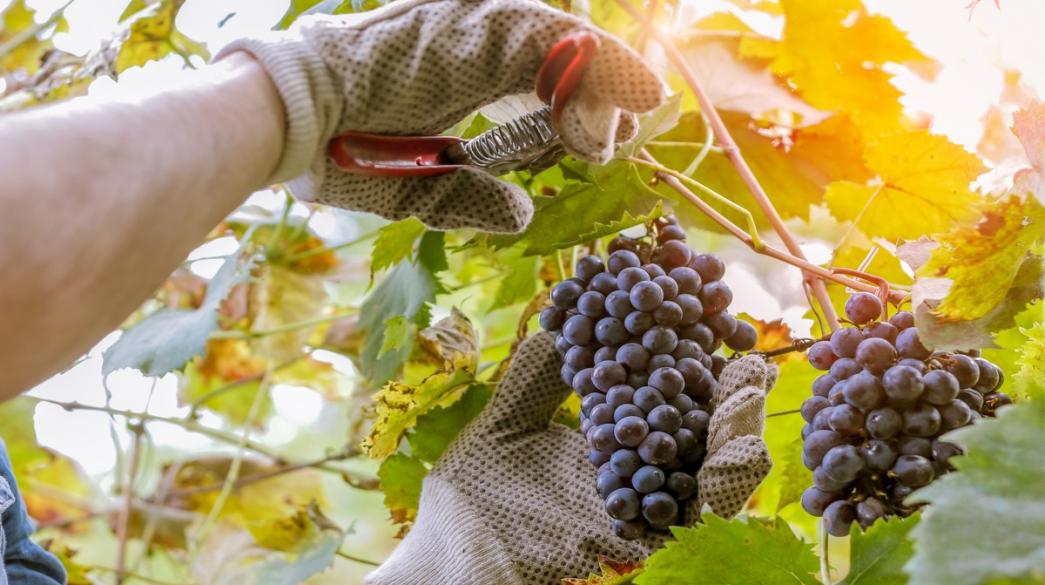
Greece’s 2026 grape harvest is moving back toward normal production levels after several years of unusually low yields, according to the country’s principal wine-sector organizations. The National Interprofessional Organisation of Vine and Wine, EDOAO, said data collected so far from wine-growing regions show an increase from recent harvests. It stressed, however, that the recovery represents only a partial return to normal volumes and should not be characterized as overproduction.
KEOSOE, which represents Greek wine cooperatives, offered a similar assessment following an extraordinary meeting on conditions in the vineyard sector. It expects production in the main wine-growing zones to exceed that of previous years while remaining within normal parameters. Both organizations warned that claims of excess supply could be used to push down the prices paid to growers, even though the comparison is with exceptionally small crops.
Weather damage creates regional differences
The national recovery is uneven. Frost and hail have reduced yields in several areas, with KEOSOE identifying Nemea, Mantinia and Heraklion among the affected production zones. Thessaly has also suffered damage, although to a lesser extent. These localized losses mean wineries and cooperatives may face different supply conditions depending on grape variety and sourcing region, despite the broader improvement in the national crop.
Quality indicators are more consistently positive. EDOAO said grapes assessed so far are of excellent quality and credited vineyard management by growers for creating favorable conditions for the new wine year. KEOSOE also expects excellent quality. For wineries, this outlook offers stronger raw material prospects, but the commercial result will still depend on grape prices and whether producers can cover the persistently high cost of cultivation.
Growers resist pressure on grape prices
Neither organization provided a national production forecast or a benchmark grape price. Their central message is that higher volumes compared with poor recent harvests do not justify lower purchase prices. Cooperative organizations said they intend to support member growers and seek price levels that allow vineyards to remain economically viable.
The warning reflects continuing pressure on farm finances. EDOAO said cultivation costs remain high and the viability of many holdings is being tested. If grape prices fail to cover those costs, growers may struggle to continue cultivation even in a year with better yields and quality. The organizations therefore regard producer support as necessary for maintaining Greece’s vineyard base rather than as a response to an exceptional surplus.
Industry calls for origin and traceability checks
Wine-market enforcement is the sector’s other major concern. KEOSOE said illegal wine distribution can account for as much as 60% of the market in large urban consumption centers. It also reported cases on Greek islands where wine from other origins is marketed as locally produced, as well as imported wine being sold as Greek at particularly low prices.
EDOAO called for more intensive controls nationwide, especially in tourist areas during the summer. It wants inspections to cover origin, labeling and traceability in addition to tax compliance. KEOSOE argued that numerous teams from Greece’s Independent Authority for Public Revenue are active in tourist destinations but do not conduct the basic origin checks required by existing legislation.
For legitimate growers, cooperatives and wineries, weak traceability can translate into unfair price competition and reduced confidence in Greek origin claims. With the harvest under way or approaching in several regions, the sector is pressing authorities to enforce existing rules before the improved crop reaches the wine market.