Greek grape exports fall to 50,000 tonnes as drought, heat and hail cut production
Greek grape exports have fallen to 50,000 tonnes from 250,000 tonnes in previous years, according to ekriti.gr. Drought, repeated heatwaves and hail have reduced yields in Crete, while exporters face competition from Italy, Spain and Egypt.
Exports drop to a fifth of earlier volumes
Greek grape exports have fallen sharply during a difficult growing season marked by lower vineyard yields and stronger competition. Greece currently exports 50,000 tonnes of grapes, compared with 250,000 tonnes in previous years, according to ekriti.gr. That represents a decline to one-fifth of the earlier volume and reduces the country's presence in its established European markets.
The contraction comes as competing suppliers operate at a much larger scale. Italy produces 600,000 tonnes and Spain 400,000 tonnes, while Egypt exports 350,000 tonnes, ekriti.gr reported. These volumes increase the pressure on Greek growers and exporters already managing a smaller crop. Shipments of Greece's early varieties are currently limited to Germany, Bulgaria, Romania and Cyprus.
Drought, heat and hail damage Crete's vineyards
Crete, where viticulture is an important part of the agricultural economy, has recorded lower yields across several grape-growing zones. A lack of rainfall and repeated heatwaves have stressed vines, affecting both the quantity and quality of the crop. Hail also hit vineyards during both early and late stages of the season, causing serious losses in Prophet Elias, Messara and Archanes.
The Sultana variety has suffered losses of 50% in affected areas, with destruction reaching 100% in some cases, according to ekriti.gr. Exporter Lambros Pervolarakis warned that water shortages threaten the survival of vineyards. He also contrasted current conditions with 1983-1989, when the Prophet Elias area exported 20,000 tonnes of raisins, a volume it no longer achieves.
Early harvest begins with limited supply
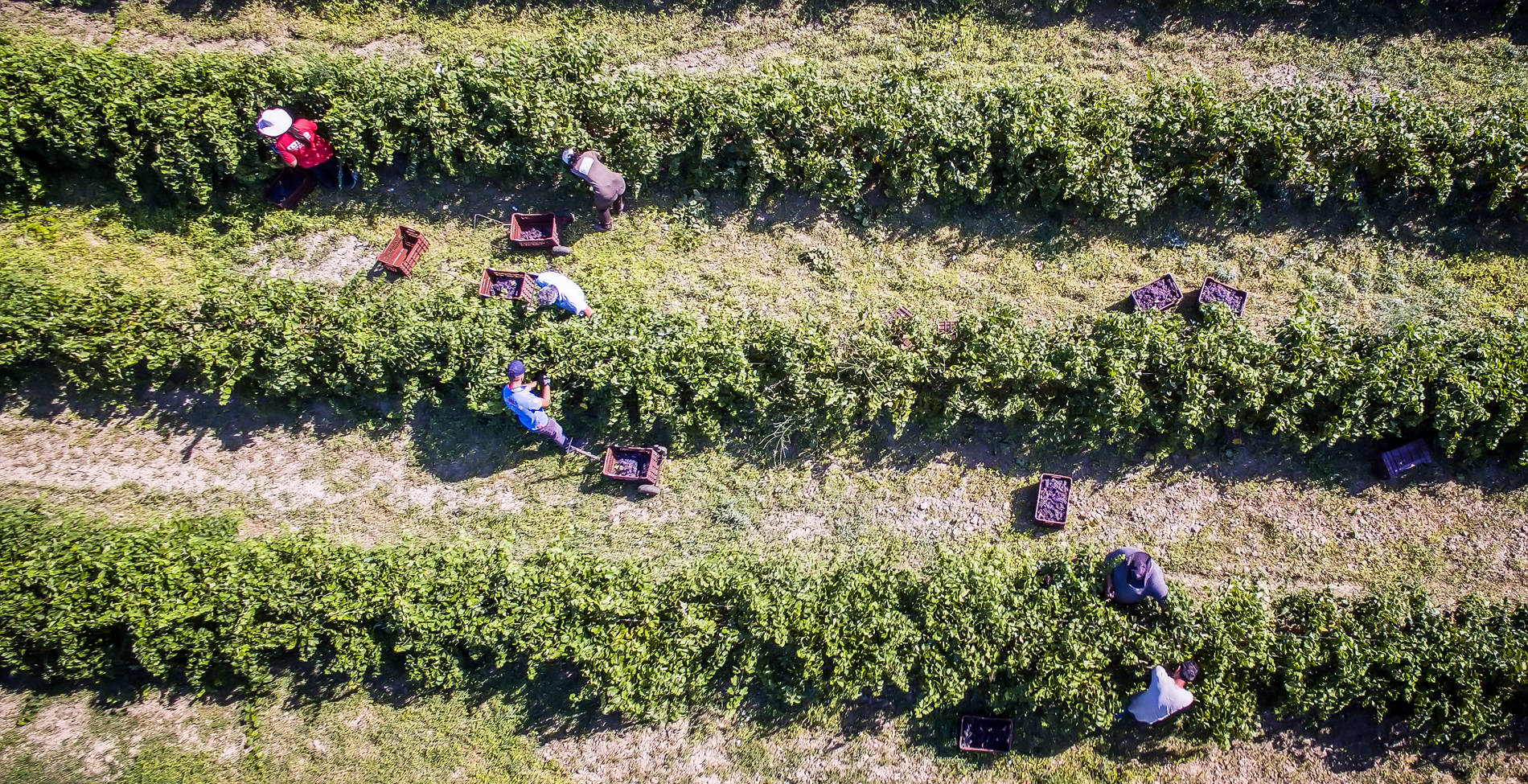
Harvesting of early grape varieties has started, with prices ranging from €1.20 to €1.60 per kilogram. The available crop remains small, however, as high temperatures have reduced early Sultana production. Lower packable volumes may limit the ability of exporters to serve several markets consistently, even where prices provide some support to farm revenue.
For growers, the combination of reduced output, weather damage and competition from larger suppliers raises questions about the commercial viability of vineyards. Agricultural organisations are asking for support measures, arguing that climate change has created persistent challenges requiring immediate intervention. Their priorities include protecting production and maintaining the viability of Crete's primary sector and Greek viticulture more broadly. The figures reported for this season also underline the importance of water availability and weather-risk management for any recovery in export volumes.