Feta and olive oil exports top €2.1bn as Greece strengthens two flagship food sectors
Greek feta and olive oil exports exceeded a combined €2.1 billion in 2025. Feta shipments reached about 105,000 tonnes, while olive oil exports generated €1.31 billion and supported a sector involving approximately 700,000 producers.
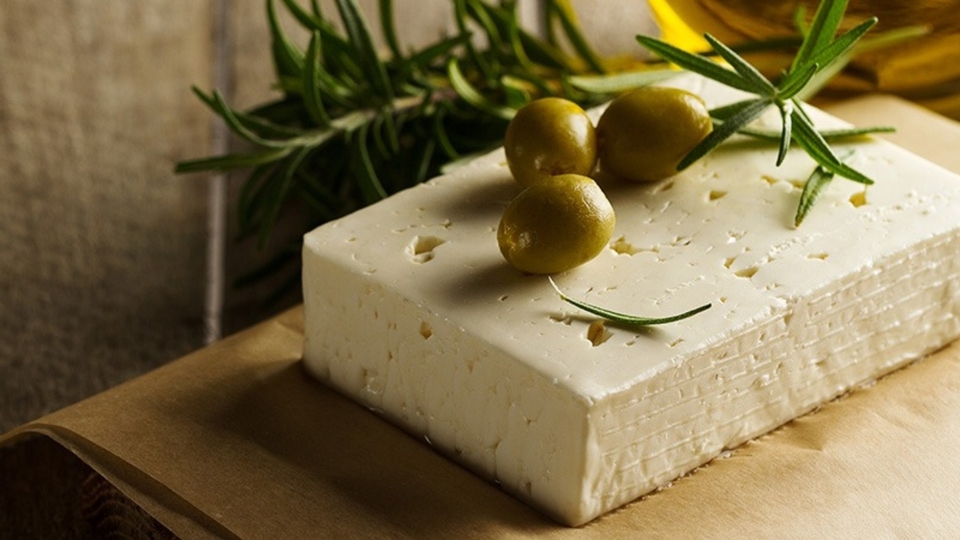
Two products generate more than €2.1 billion
Greece’s exports of feta cheese and olive oil exceeded a combined €2.1 billion in 2025, reinforcing the two products’ central role in the country’s agricultural and food economy. The sectors connect livestock farms and olive groves with dairies, processors, packers and international distributors, while supporting thousands of rural businesses and families.
Spyros Protopsaltis, secretary general for Agricultural Development and Food, told the Athens-Macedonian News Agency that the products are both part of Greece’s identity and important development and export assets. Their commercial weight is also visible in national food trade: feta accounted for 9% of the total value of Greek food exports in 2025, while olive oil represented 12.4%.
Feta absorbs most Greek sheep and goat milk
Domestic feta production reached approximately 152,700 tonnes in 2025, according to figures reported by Patrasevents.gr. That was nearly 64% of Greece’s recorded cheese production, excluding whey cheeses. Greece has 25 registered cheese names, comprising 23 products with Protected Designation of Origin status and two with Protected Geographical Indication status, but PDO feta dominates the category.
Feta production used 75% of the sheep milk and 41% of the goat milk produced in Greece. In total, 69% of domestic sheep and goat milk output was directed to feta, making export demand for the cheese a major determinant of revenues across the livestock and dairy supply chain.
Approximately 105,000 tonnes of feta, equal to 69% of production, were exported in 2025. Shipments were valued at nearly €835 million. Germany remained the leading destination, followed by Italy, the United Kingdom, France and the United States. Together, these five markets absorbed 70% of Greek feta exports, creating a concentrated customer base for producers and processors.
Olive oil sector targets more branded sales
Greek olive farming involves approximately 700,000 producers nationwide. The Ministry of Agricultural Development and Food lists 33 registered Greek olive oil names: 20 PDO and 13 PGI. Olive oil exports reached €1.31 billion in 2025, making the product the larger of the two export earners covered by the data.
Production for the 2025-2026 olive season is estimated at approximately 235,000 tonnes, with exports forecast at 139,000 tonnes. Based on the 2022-2025 average, Greece ranks fourth globally behind Spain, Turkey and Tunisia. The government’s stated commercial priority is to increase the share sold in packaged and branded form so that more of the final value remains with Greek producers and the domestic economy.
Better production data and traceability form another part of that effort. Greece is updating its Olive Register, while mandatory olive harvest declarations have been postponed until the 2026-2027 season and are scheduled to begin on 1 October 2026. The authorities are also pursuing interoperability with the Independent Authority for Public Revenue and the use of Integrated Administration and Control System data. The aim is to obtain existing information electronically, improve oversight and avoid duplicate procedures and additional costs for growers.