Greek dairy cooperatives invest to secure milk supply amid herd crisis
A shrinking animal herd and rising production costs are squeezing Greece's raw milk supply. Three cooperatives in Kalavryta, Volos and Naxos are investing to secure output, a signal of the pressure building across the wider dairy sector.
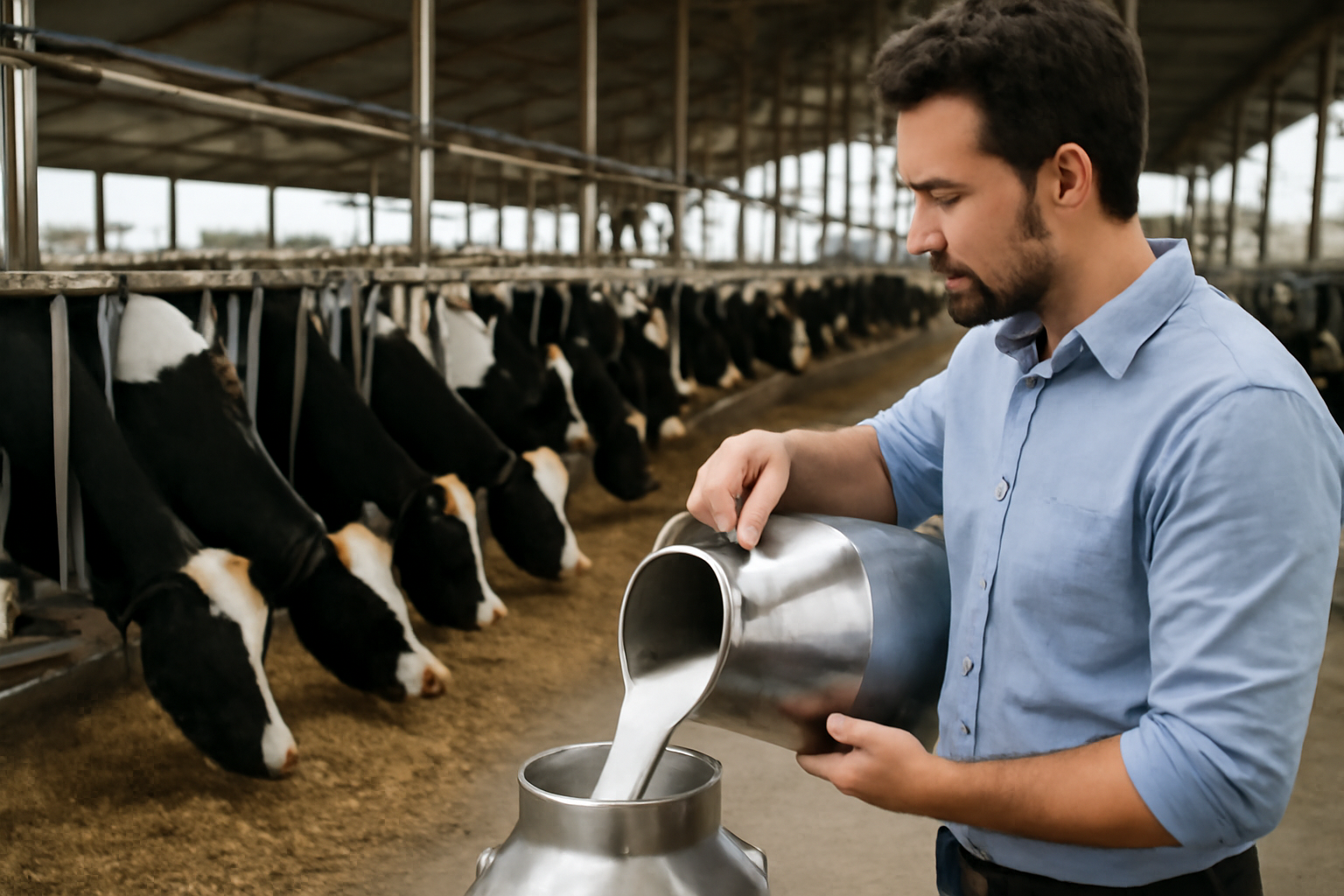
Greek dairy faces a supply squeeze
Greece's dairy sector is entering a more difficult phase, as a shrinking animal herd and higher production costs tighten the supply of raw milk. According to a report by journalist Xanthi Gounari, the contraction of livestock numbers caused by animal disease, together with rising costs across the production chain, is creating an increasingly demanding environment for Greek milk producers.
The strain reaches well beyond the farm. Milk is the raw material for Greece's cheese and dairy industry, including its flagship feta, so any tightening at the collection point works its way through processors and, ultimately, into export prices. For a country whose dairy products travel across the European Union and further afield, a domestic supply squeeze matters to foreign buyers as much as to local farmers.
Disease and rising costs thin the herd
Two forces are driving the squeeze. The first is livestock disease. Outbreaks have cut the number of animals in production, and fewer animals mean less milk reaching collection points and processing plants. Herds lost to disease cannot be replaced overnight, so the effect on volumes lingers well after an outbreak is contained.
The second force is cost. Feed, energy and other inputs have made every litre more expensive to produce, squeezing farm margins and discouraging expansion. The two pressures reinforce each other: when margins are thin, farmers are slow to rebuild herds, and the recovery in milk volumes lags. For cooperatives that rely on a steady intake, that means less predictable supply and sharper competition for the milk that remains.
Three cooperatives invest to secure output
Against this backdrop, three cooperatives are being highlighted as models for how the sector can respond. Located in Kalavryta, Volos and Naxos, they are investing to protect and secure their milk output rather than scaling back, according to Gounari's report.
- Kalavryta, in the northern Peloponnese
- Volos, on the coast of central Greece
- Naxos, in the Cyclades islands of the Aegean
Their geographic spread — mainland and islands alike — underlines that the milk squeeze is a national problem rather than a local one. It also shows that the sector's stronger players are choosing investment over retreat, betting that securing supply now will pay off once disease pressure eases.
What the squeeze means for trade
For importers and exporters, the Greek case is worth watching. A tighter domestic milk pool raises the cost base for Greek cheese and dairy goods, and higher input costs tend to feed through into the prices buyers pay abroad. Processors short of local milk may also look to imported milk and dairy inputs to fill the gap, shifting trade flows in the region.
None of this resolves quickly. Rebuilding herds and containing disease take time, so buyers should plan for firmer Greek dairy prices in the near term. The cooperatives' investments are an attempt to keep domestic output flowing, but they also signal that the players closest to the market expect the pressure to last.