Greek coffee retail grows as households embrace espresso and cut café visits
Greek retail coffee sales reached €501.4 million in 2025 and continued to rise through July 2026. Consumers are protecting their daily coffee habit by buying more for home, while espresso and capsules gain ground and café visits come under pressure.
Retail sales pass €500 million
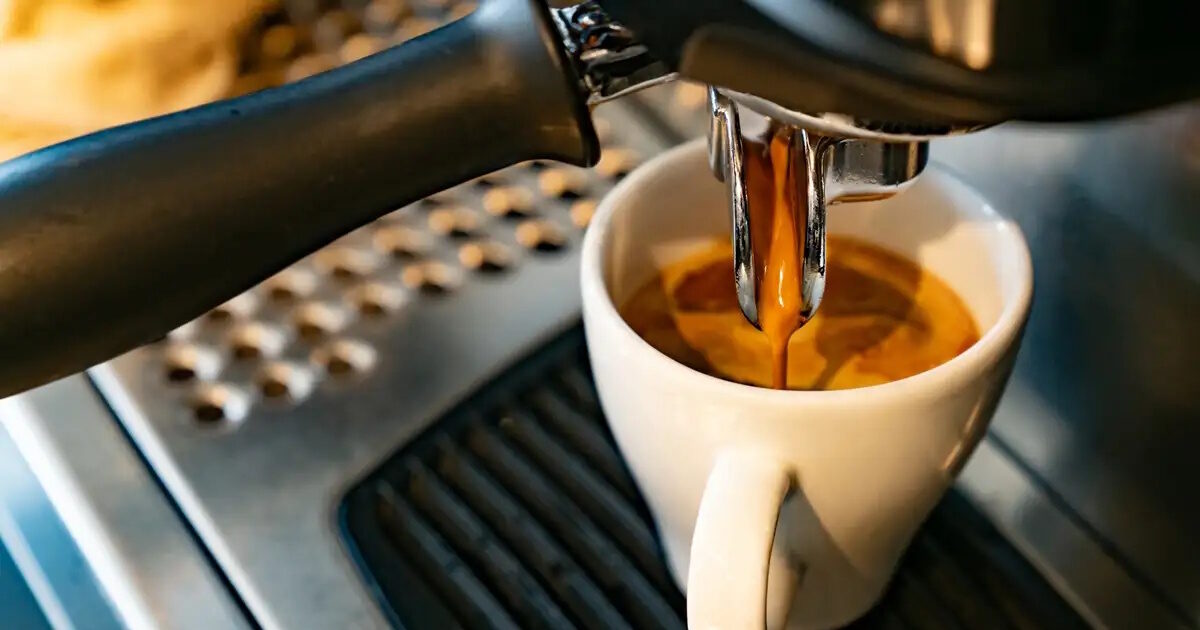
Greece’s coffee market is expanding in value even as household finances and business costs remain under pressure. NielsenIQ data reported by To Vima put coffee sales across organized retail and small outlets at €501.4 million in 2025, up 13.7% from the previous year. Sales value grew at a compound annual rate of 6.5% between 2018 and 2025. Through July 2026, sales exceeded €300 million, an increase of 8.9% from the corresponding period of 2025.
Coffee is also outperforming the broader fast-moving consumer goods market. NielsenIQ recorded year-to-date growth of 10.1% in organized retail, compared with 5.5% across the 171 FMCG categories it monitors. Coffee ranked third by turnover, behind cheese and milk, while two coffee items occupied the top two positions among roughly 100,000 individual products sold through organized retailers.
Demand remains strong because consumers continue to treat coffee as an everyday necessity. Almost six in ten shoppers said they bought packaged coffee or tea on their latest supermarket visit, according to data cited by NewsIT. The category prompted 22.6% of store visits, reinforcing its importance to retailers despite higher prices and tighter household budgets.
Espresso and capsules reshape home consumption
Traditional Greek coffee remains the leading choice for consumption at home, followed by instant coffee and filter coffee. However, espresso beans, ground espresso and capsules are expanding their presence. Instant coffee has recovered volume share over the past three years after losing ground during the pandemic, while espresso in its various forms has maintained a growth trajectory.
Capsules accounted for 7.6% of coffee volume through July 2026 despite carrying a traditionally higher average price than other formats. The expansion reflects demand for speed, consistency and a café-style experience at home. NielsenIQ identifies several consumer groups in the equipment market, ranging from buyers of single-serve and fully automatic machines to users seeking advanced espresso systems, semi-automatic machines or moka pots.
Ready-to-drink coffee is growing through a different route. Sales across organized and traditional retail reached €16.8 million in 2025, up 6.3% from 2024. They stood at €9.1 million through July 2026, broadly unchanged from the same period a year earlier. Small stores of less than 100 square metres—including mini-markets, bakeries and kiosks—remain the principal purchasing channel for the category.
Cafés face pressure from household caution and rising costs
Out-of-home coffee remains culturally important, but consumers are becoming more selective. NielsenIQ found that 45.7% of Greeks intend to visit cafés and coffee shops less frequently, while almost two-thirds plan to reduce restaurant outings. Only 13% said their financial position had improved, compared with 47% who felt worse off. The cost of living was the leading concern for 81% of respondents.
Even so, 43% consume coffee outside the home once or twice a week, and almost nine in ten visit a café. Cafés and coffee chains attracted 74.2% of respondents, while coffee was selected by 74% of customers at these venues. These figures indicate that consumers are reducing frequency rather than abandoning the channel altogether.
Operators must manage that weaker traffic alongside higher raw-material and transport costs, climate-related threats to global harvests and Greece’s coffee excise duty. The Greek Coffee Association says the duty, introduced in 2017, raises consumer prices and encourages illicit trade. Its president, Anastasios Giagoglou, has called for the tax to be abolished or reduced. For retailers, roasters and equipment suppliers, the continuing shift toward home preparation creates growth opportunities; for cafés, the challenge is preserving visit frequency while consumers scrutinize discretionary spending.