Beef prices rise by up to 50% in Greece as consumers switch to chicken
Beef prices in Greece have increased by as much as 50%, prompting consumers to buy less and turn to chicken. Shoppers are also seeking promotions and choosing cheaper cuts as affordability shapes meat demand.
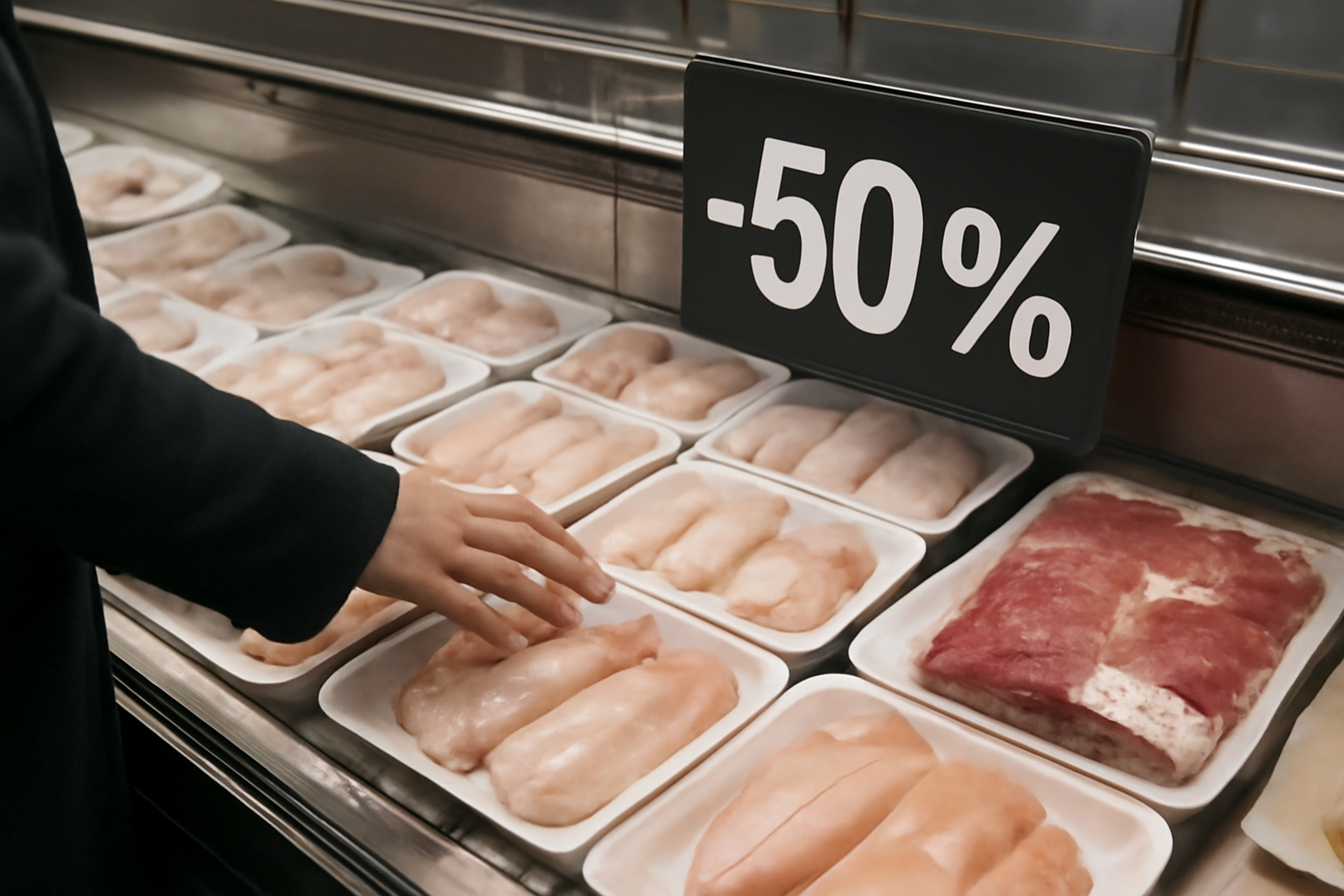
Beef becomes increasingly unaffordable
Beef prices in Greece have risen by as much as 50%, turning a regular food purchase into an increasingly expensive choice for many households. The sharp increase is changing how consumers shop for meat, with affordability now playing a greater role in decisions about product, quantity and cut.
Consumers are responding by buying smaller amounts of beef. Rather than abandoning the category in every case, shoppers are reducing portions, comparing offers more carefully and looking for cheaper alternatives. This behavior places pressure on sales volumes even when the higher price per unit increases the value of individual transactions.
Chicken gains as shoppers trade down
Chicken is emerging as the main substitute as consumers move away from more expensive beef. The shift illustrates how a large price gap between meat categories can redirect demand within the protein market. Poultry retailers and suppliers may see stronger consumer interest, while beef sellers face greater resistance at the point of sale.
The change is not limited to substitution between species. Within the beef category, consumers are looking more actively for discounted products and less expensive cuts. Promotions therefore become more important for preserving purchase frequency and keeping beef accessible to households that are unwilling or unable to absorb the full price increase.
Retailers face a changed product mix
For supermarkets and butchers, smaller purchases and greater demand for promotions alter the most effective product mix. Premium beef products become harder to sell to price-sensitive customers, while lower-priced cuts and promotional packs gain importance. Retailers must also balance the need to offer value with the higher prices already visible in the category.
The movement toward chicken may affect purchasing decisions across the meat supply chain. Stronger poultry demand can influence how retailers allocate shelf space and promotional activity. Beef processors and distributors, meanwhile, face a market in which consumers are paying closer attention to unit prices and may postpone or reduce purchases when discounts are unavailable.
Price sensitivity reshapes meat demand
The increase of up to 50% is significant because beef competes not only with other beef products but also with cheaper sources of animal protein. Once consumers become accustomed to smaller quantities or substitute products, recovering previous purchasing patterns may require a narrower price difference or more frequent promotions.
For producers, processors and traders, the immediate signal is weaker consumer tolerance for expensive beef. Demand has not simply moved toward one alternative: shoppers are combining several responses by reducing quantities, searching for offers, selecting cheaper cuts and buying chicken. The Greek meat market is therefore becoming more price-driven, with value positioning increasingly important for both beef and poultry suppliers.