Global rice market remains under pressure after India lifts export curbs
The global rice market is still absorbing the supply increase that followed India’s removal of its export restrictions in 2025. Stronger export availability has weighed on international prices, while stocks have struggled to recover.
Indian supply returns to the global market
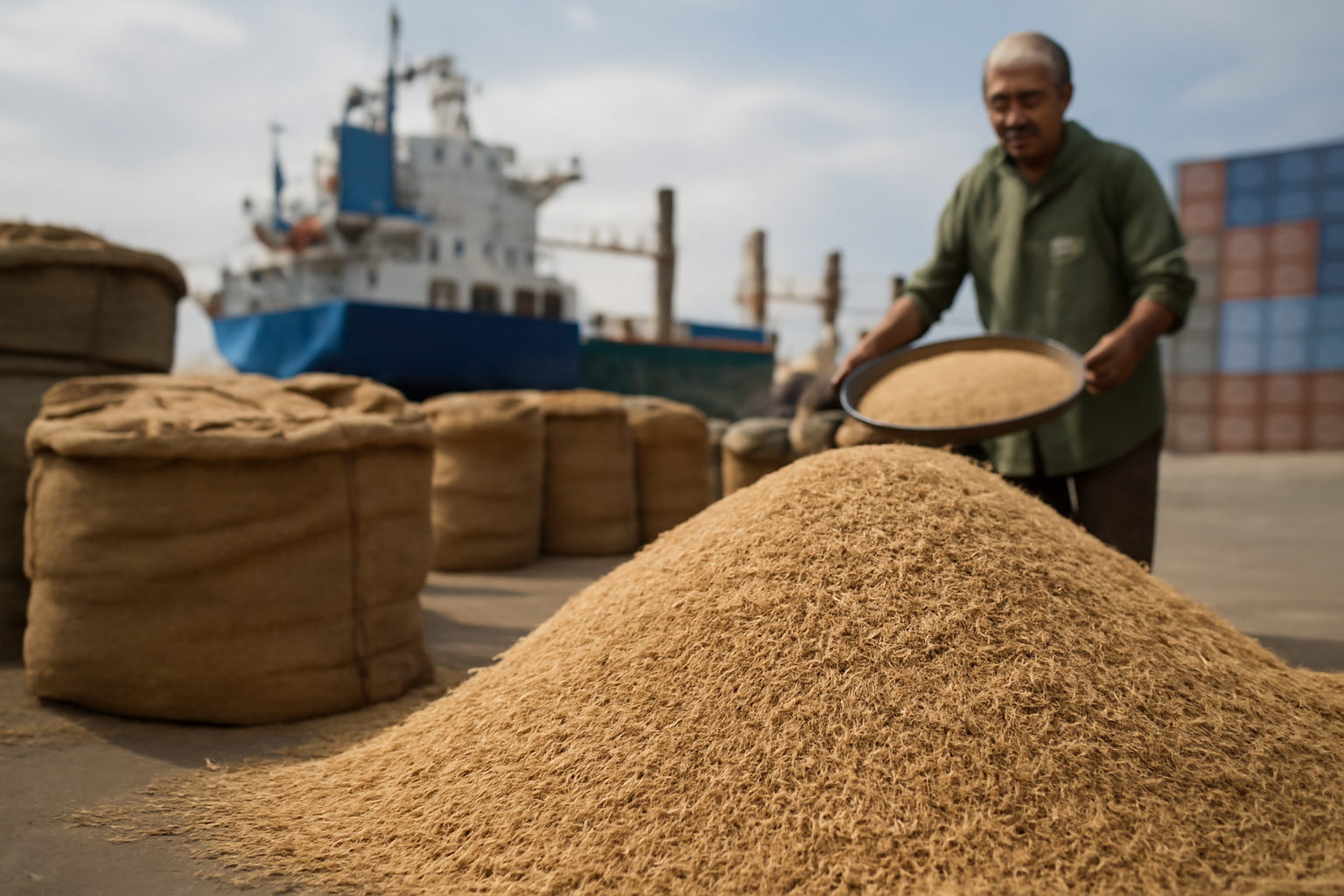
The global rice market is still adjusting to the rapid expansion in supply that followed India’s complete removal of export restrictions in 2025. The policy change allowed more Indian rice to reach international buyers and reversed part of the tightness created while the restrictions were in force.
India’s return increased competition among exporters and put downward pressure on global prices. Importers gained access to a larger pool of supplies, while producers and traders in competing origins faced a market in which Indian offers could again influence purchasing decisions across multiple destinations.
The available source material reports strong export growth but does not provide shipment volumes, price levels or a precise date for the final removal of the restrictions. Those missing figures limit direct comparisons between the market before and after the policy change, but the stated direction is clear: export supply increased rapidly and prices weakened.
Stocks struggle to gain traction
Despite stronger export activity, rice stocks have struggled to gain traction. The combination points to a market where additional Indian supply is moving through trade channels but has not produced a broad recovery in the value or performance of rice-related holdings.
For physical-market participants, the central issue is the balance between greater availability and the pace of demand. If importers can cover requirements without competing aggressively for cargoes, exporters have less room to raise prices. Traders holding higher-cost inventories may also face pressure to reduce offers or keep stocks for longer.
Lower international prices can benefit importing countries and processors that buy rice as a raw material. The effect is less favourable for farmers and exporters in competing producing countries, particularly where production, financing or storage costs remain above the level supported by current export offers.
Competition remains the key variable
India’s policy shift has restored a major source of supply to the international market. Its effect extends beyond Indian shipments because competing exporters must decide whether to match lower prices, defend margins or redirect cargoes toward markets where demand is stronger.
The next phase will depend on how quickly buyers absorb the additional supply and whether export growth continues. Without shipment, inventory and price data, it is not possible to quantify the remaining adjustment. However, the market described in the source material remains characterised by abundant export availability, pressure on prices and limited traction for rice stocks.