Germany’s animal-health market grew 4.7% in 2025 as vaccine sales jumped
Germany’s veterinary-medicine market reached €1.098 billion in 2025, according to the German Animal Health Association. Vaccines grew 11.3%, while antiparasitic sales were nearly flat at €199.7 million.
Market remains above €1 billion
Germany’s animal-health market grew 4.7% to an estimated €1.098 billion in 2025, remaining above the €1 billion threshold for a second year. The German Animal Health Association, or BfT, said growth was driven primarily by preventive care, particularly in the livestock segment.
Pharmaceutical specialties remained the largest product category. Sales increased 4.9% to €485.7 million, equivalent to 44.2% of the market. The category includes treatments used for pain control, skin conditions and cardiovascular disease.
Within specialties, pain-control therapies generated €129.1 million, up 4.3%. Products for skin diseases rose 8.0% to €65.4 million, while cardiovascular therapies increased 8.2% to €37.4 million. The BfT linked demand in the companion-animal segment partly to regular care for older pets.
Vaccines outpace antiparasitic products
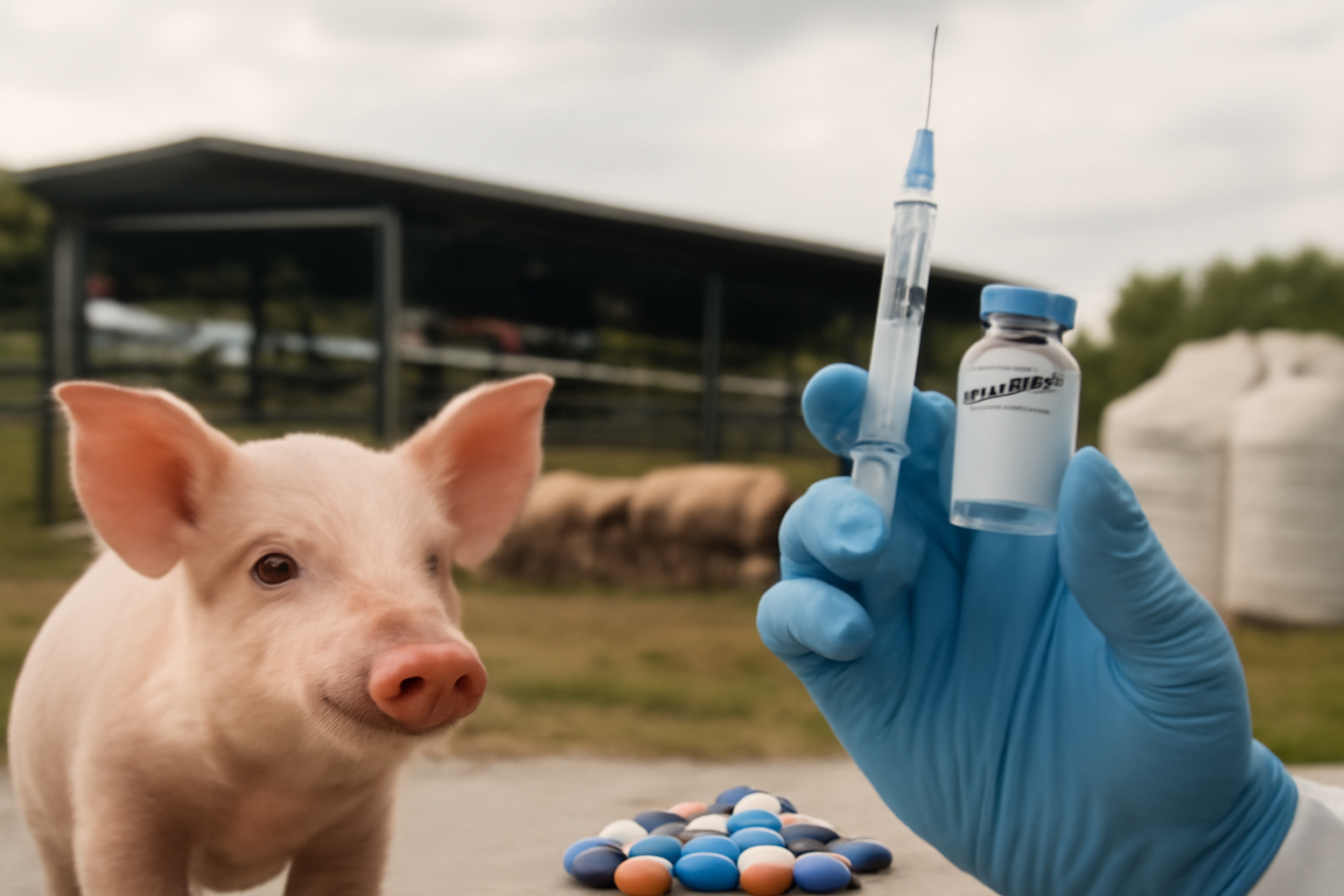
Vaccines recorded the strongest performance among the main segments. Sales rose 11.3% to €264.8 million and accounted for 24.1% of the market. The association said disease conditions affecting cattle supported preventive spending, while horse owners became more attentive to the growing occurrence of West Nile virus.
Antiparasitic sales, by contrast, increased only 0.3% to €199.7 million. The segment represented 18.1% of the market, down from 19% in 2024, when sales stood at €199.1 million. The figures indicate that parasite-control revenue was stable in absolute terms but lost market share as vaccines and specialty medicines expanded faster.
Anti-infective sales declined 0.5% to €147.8 million, giving the segment a 13.4% share. The BfT said this development reflected the established use of responsible-treatment rules and continuous monitoring in veterinary care.
Disease pressure supports prevention
Germany’s animal-disease situation remained tense during 2025. The BfT cited outbreaks of foot-and-mouth disease, a major spread of highly pathogenic avian influenza from the autumn, and continuing cases of African swine fever and bluetongue disease. Lumpy skin disease, Newcastle disease and epizootic haemorrhagic disease were also reported elsewhere in Europe.
The association argued that these outbreaks strengthened the case for placing greater emphasis on prevention. It said the culling of large animal populations was becoming increasingly difficult to sustain economically and socially. Vaccine growth therefore reflects both immediate disease pressure and a broader focus on limiting losses before outbreaks spread through livestock operations.
The balance between companion animals and livestock was largely unchanged, with the two segments accounting for 60.6% and 39.4% of the market respectively. However, the industry also faced supply difficulties involving active ingredients sourced from outside Europe. For manufacturers and veterinary suppliers, the 2025 figures show a growing market, but one in which vaccine availability, external sourcing and disease-control policy increasingly shape performance across individual product categories.