Germany Issues Alert Over Moroccan Green Beans With Excess Spiroxamine
German authorities detected spiroxamine at 0.045 milligrams per kilogram in Moroccan green beans, 4.5 times the permitted residue limit. The shipment entered Germany through Spain and was no longer on supermarket shelves when the results became available.
Residue level exceeds EU limit
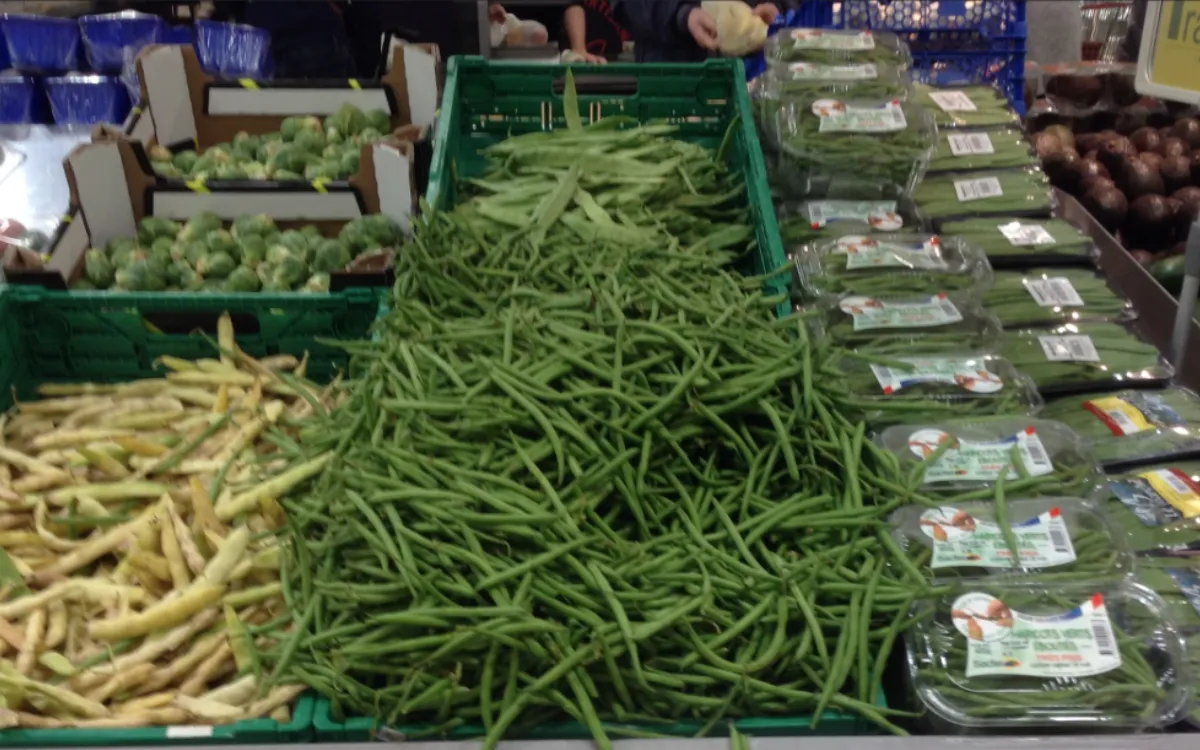
German authorities have issued a food-safety alert after detecting excessive pesticide residue in a batch of green beans originating in Morocco. According to Bladi.net, the beans reached Germany after transiting through Spain and had already disappeared from supermarket shelves by the time laboratory results became available.
A market control found 0.045 milligrams of spiroxamine per kilogram of beans. The maximum permitted residue level was 0.01 milligrams per kilogram, making the measured concentration 4.5 times higher than the limit, according to documents from the European food-alert system cited by Bladi.net.
The available information does not identify the Moroccan exporter, the retailers that sold the beans or the volume of the affected shipment. German authorities alerted consumers because some of the product may have been purchased before the non-compliance was discovered. The source does not specify whether any beans remained available for recovery from consumers or elsewhere in the distribution chain.
Approved fungicide, non-compliant concentration
Spiroxamine is a systemic fungicide used against fungal diseases including powdery mildew, rust and certain leaf diseases. It works by disrupting the formation of fungal cell membranes. The substance remains listed as approved in the European pesticide database, but it is classified as toxic to reproduction.
The alert was therefore triggered by the concentration of the residue rather than by the mere presence of spiroxamine. Food products can contain residues of approved pesticides provided that they remain within the applicable maximum limits. In this case, the measured level exceeded that ceiling by a wide margin.
Repeated alerts raise compliance pressure
The green-bean finding follows several European alerts involving Moroccan fruit and vegetables. Bladi.net reported that a separate batch of Moroccan peppers was stopped in Germany in April because of excessive abamectin residue. The publication also cited French action involving Moroccan peppers, including the “Beef Horn” variety, over traces of prohibited pesticides.
Other cases mentioned by Bladi.net include a Moroccan olive shipment blocked by French authorities after a pesticide banned in the European Union for five years was detected at a high level. The EU Rapid Alert System for Food and Feed also issued a notification concerning contamination in cherry tomatoes from Morocco, which was described as serious.
For Moroccan produce suppliers, repeated notifications can increase scrutiny of pesticide application, pre-export testing and traceability records. European buyers and distributors may likewise face greater pressure to verify residue compliance before products enter retail channels. In the latest case, the absence of disclosed shipment volumes and company names limits any assessment of the direct commercial impact, but the finding adds another compliance issue for the supply chain linking Moroccan growers, Spanish transit routes and the German market.