GAPKI urges smallholder productivity drive to protect Indonesia’s palm oil lead
Indonesia’s palm oil association GAPKI is calling for higher productivity at plasma and independent smallholder plantations. The group sees replanting, improved seed, technology and sustained technical support as essential to meeting domestic demand while retaining Indonesia’s global market position.
Smallholder yields move to the center of industry policy
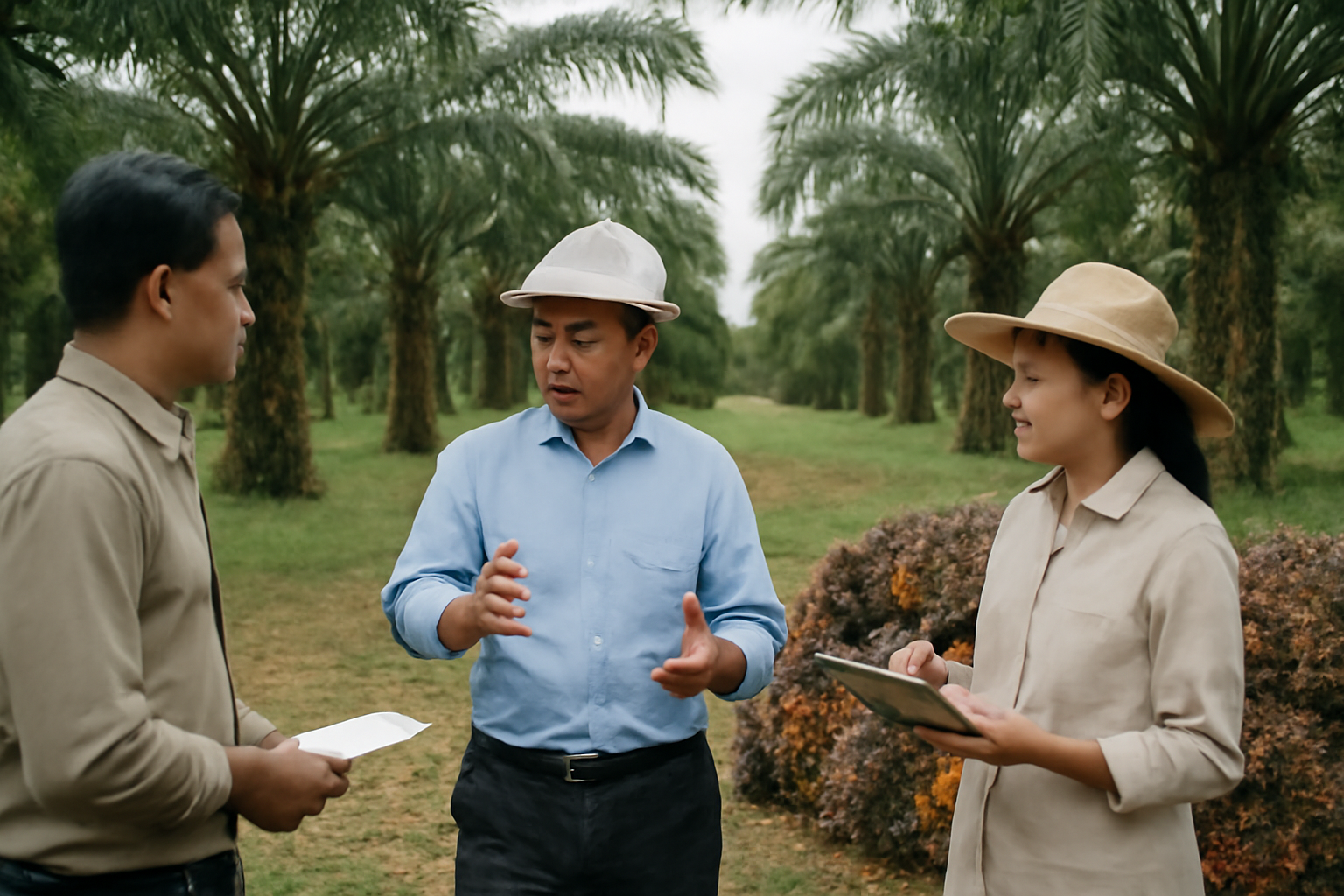
Indonesia must raise productivity at both plasma smallholdings linked to companies and independently operated farms if it is to meet domestic demand and retain its leadership in the global palm oil market, according to the Indonesian Palm Oil Association, known as GAPKI. Chairman Eddy Martono presented the priority at the 9th Borneo Forum 2026, held in Balikpapan, East Kalimantan, from 5–8 August 2026.
GAPKI is advocating faster implementation of the Smallholder Oil Palm Replanting Program, or PSR, with support from the Plantation Fund Management Agency, BPDP. The program is intended to replace aging or low-yielding trees and improve smallholder output through superior seed, technology and continuous technical assistance. Raising yields from existing plantations is important for an industry expected to serve both Indonesia’s domestic market and international buyers.
Production and exports increased
Official GAPKI data released on 13 March 2026 put Indonesia’s crude palm oil production at 51.66 million tonnes in 2025, an increase of 7.26%, or about 3.5 million tonnes, from the previous year. Combined production of crude palm oil and palm kernel oil reached 56.55 million tonnes, up 7.18%. These gains provide a stronger supply base, but GAPKI’s emphasis on replanting indicates that sustained growth will also depend on improving the performance of smallholder land.
Export figures reported by Statistics Indonesia, BPS, also show stronger shipments at the start of 2026. The value of exports of crude palm oil and its derivatives reached $4.69 billion in January–February, up 26.40% from $3.71 billion in the same period a year earlier. Export volume rose from 3.33 million tonnes to 4.54 million tonnes. The simultaneous increase in value and volume reinforces palm oil’s importance as a source of foreign exchange and as a major supply factor in international vegetable oil markets.
East Kalimantan targets more downstream value
GAPKI also framed productivity as part of the sector’s broader economic role. Martono said palm oil generated about $39.2 billion in foreign-exchange earnings during the pandemic and continued creating employment while many other industries were cutting jobs. East Kalimantan Deputy Governor Seno Aji said the provincial government is encouraging palm oil-based downstream development to attract investment, expand derivative industries and retain more value in the region.
Rachmat Perdana Angga, head of GAPKI’s East Kalimantan branch, said the Borneo Forum was intended to strengthen the province’s role in developing Indonesia’s palm oil industry. The gathering brought together government, companies, academics and communities as the sector faces increasingly complex domestic and international challenges. For producers and processors, the policy direction combines two priorities: lifting output from existing smallholder plantations and building more processing capacity closer to producing regions.
Full market analysis