Galicia’s 2026 honey crop set to fall by more than half
Galicia’s 2026 honey production is expected to barely exceed 2,000 tonnes, down from nearly 4,000 tonnes in 2025. Drought, Asian hornets, varroa mites and fire damage are combining with bulk prices below production costs to threaten professional beekeeping operations.
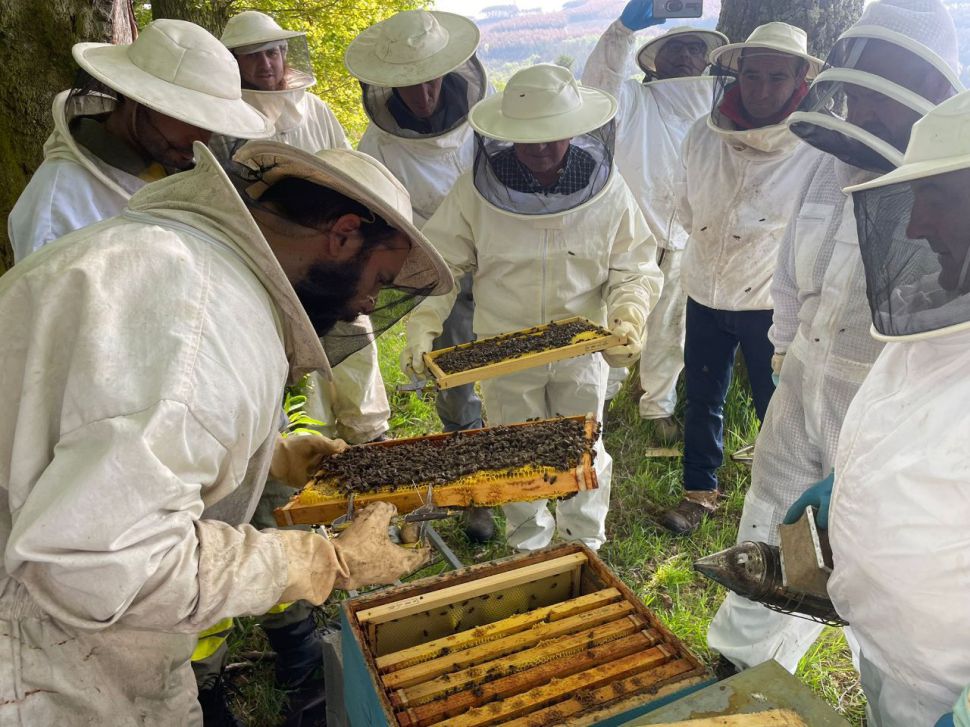
Output expected to barely exceed 2,000 tonnes
Galicia’s honey production is heading for a fall of more than 50% in 2026, with the regional crop expected to barely exceed 2,000 tonnes compared with nearly 4,000 tonnes collected in 2025. According to the agricultural organization Sindicato Labrego Galego (SLG), many individual operations are recording declines of more than 50% as drought, Asian hornets, varroa mites and the accumulated effects of wildfires damage colonies and reduce available forage.
The contraction threatens a significant part of Galicia’s rural economy. More than 500 families depend on beekeeping as their main source of income, while the activity provides more than 25% of income for approximately 1,000 other families, the SLG said. The organization warns that the combination of a smaller harvest, high operating costs and low market prices could accelerate the closure of professional operations.
Bulk honey prices remain below production costs
The downturn comes as beekeepers report that Spanish bulk honey is selling for less than €4 per kilogram, while average production costs exceed €5 per kilogram. That leaves a gap of more than €1 per kilogram in some transactions. The SLG is asking the authorities to calculate production costs officially and enforce Spain’s Food Chain Law to prevent honey from being traded below those costs.
Imports are another source of pressure. The organization says some honey consignments can enter the European market at prices below €1.50 per kilogram. It has called for stronger border inspections in Spain and across the European Union. Citing data presented by the union, the SLG said physical checks covered only around 15% of honey entering the EU and that more than half of the inspected consignments showed irregularities it considered compatible with fraudulent honey. The group had already organized demonstrations in March to demand physical controls on imported shipments.
Drought, pests and earlier hornet attacks weaken colonies
Low rainfall has reduced nectar availability and shortened the flowering period of numerous plant species. Previous wildfires have also removed vegetation used by bees in affected areas. At the same time, the Varroa destructor mite continues to cause high winter mortality. The SLG says some treatments are becoming less effective, while warmer winters reduce the natural breaks in egg laying that previously helped restrict mite reproduction.
Pressure from the invasive Asian hornet, Vespa velutina, is also arriving as much as 40 days earlier than usual in some areas. Its attacks kill bees, weaken colonies and can ultimately cause their collapse. The SLG estimates annual losses of €2,000 to €4,000 even for operations with around 200 hives. Beekeeping and agricultural groups met in Santiago de Compostela on August 18 to prepare joint demands, including targeted financial aid, greater support under the future Common Agricultural Policy, a permanent regional beekeeping forum and closer coordination among authorities and producers. Further meetings were planned for early September, and the groups have not ruled out autumn protests if the authorities fail to act.