Furniture slowdown squeezes Czech manufacturers as regional demand weakens
Furniture demand is falling across Czechia and neighboring markets as households and companies postpone purchases. Czech bentwood producer TON expects revenue to decline by up to 10%, while retailers and manufacturers across the region face lower margins, store closures and insolvencies.
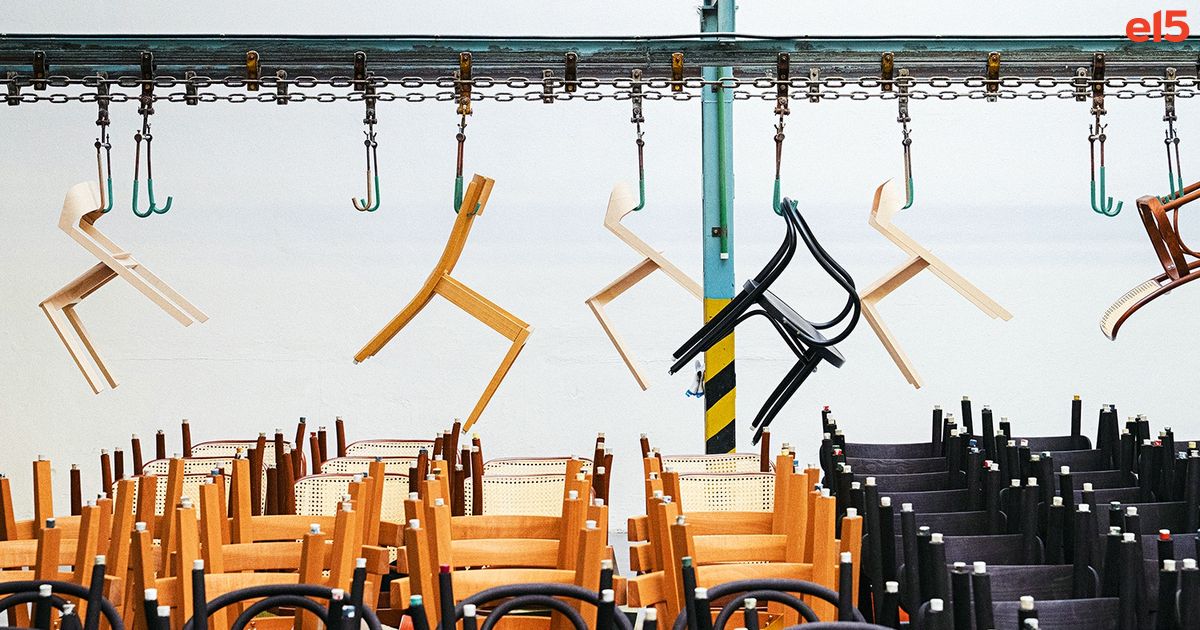
Households and companies postpone purchases
The furniture market in Czechia and neighboring countries is slowing sharply as households and businesses defer purchases of durable goods such as chairs, tables and cabinets. According to e15.cz, retailers acknowledge that the contraction has been considerably stronger than they expected, affecting both mass-market chains and established manufacturers.
IKEA, the market leader, recorded a one-third decline in profit during its latest financial year and remains under strong pressure this year. The retailer announced permanent price reductions on more than 800 products, averaging 22%. Although IKEA presented the measure as one of its largest investments in lower prices, e15.cz said the cuts also reflect weaker demand and an effort to attract customers despite the resulting pressure on margins.
Demand is being restrained by several factors. ASKO-Nábytek marketing director Andrea Štěpánová said some younger consumers increasingly prefer spending on experiences rather than home furnishings. More difficult access to mortgages and a rising share of rented housing are also encouraging interest in sustainability and second-hand furniture.
TON expects lower revenue but remains profitable
The downturn has reached TON, which has produced bentwood furniture continuously in Bystřice pod Hostýnem for 165 years. The company employs about 350 people and manufactures approximately 2,000 pieces per week. It is described as the world's oldest continuously operating bentwood furniture factory, but finding customers for that output is becoming more difficult in Czechia and abroad.
TON director Milan Dostalík told e15.cz that competition is resorting to discounts that were previously unthinkable and that premium furniture is not insulated from the downturn. Germany's market is declining by tens of percent, while Switzerland is also slowing. Strong growth in Scandinavia is an exception to the broader regional trend.
TON has traditionally generated annual revenue of around CZK 500 million. Last year, revenue reached CZK 540 million and profit was CZK 11 million. Dostalík expects this year to be weaker in both revenue and overall earnings, with sales potentially declining by up to 10%, although the company expects to remain profitable.
Lower demand coincides with higher costs for wood and energy. TON bends wood using steam and metal moulds, after which components must be dried and conditioned for several weeks to balance their internal moisture. Energy therefore represents a significant part of production costs. The European wholesale gas price exceeded €75 per megawatt-hour on Wednesday, its highest level in more than three years.
Closures and insolvencies spread across the region
Pressure is visible throughout Central Europe. Profil Nábytek, a family-owned manufacturer in Humpolec, has also described exceptionally difficult conditions. In Slovakia, Decodom, one of the country's largest furniture producers, sought protection from creditors and is likely to undergo restructuring. ASKO is closing its store at the Galerie shopping centre in Nitra, while the Slovak edition of Forbes has reported bankruptcies among smaller furniture companies and heavy losses at larger businesses including Sconto.
German media have reported dozens of insolvencies in the furniture industry. Premium cabinet and furniture producer Interlübke has filed for insolvency. Co-owner Ralf Oehmke told WirtschaftsWoche that the immediate trigger was the war in Iran. Separately, the Berlin family retailer Möbel Hübner closed in the spring after more than 100 years, citing falling revenue, rising costs and intensifying online competition.
For manufacturers, the combination of weaker orders, aggressive discounting and high energy costs limits room to protect margins. TON is relying on product quality and brand strength rather than a single corrective measure. Its continued profitability provides some resilience, but the expected sales decline shows that even long-established premium producers are exposed when consumers and corporate buyers postpone investment.