French drought cuts potato output and strains autumn fruit and vegetable supply
Exceptional heat and drought have reduced yields across several French fruit and vegetable crops. Potato output may fall 22% year on year, while lettuce, leeks, apples and apricots are among the products facing tighter autumn availability.
Heat damages marketable vegetable crops
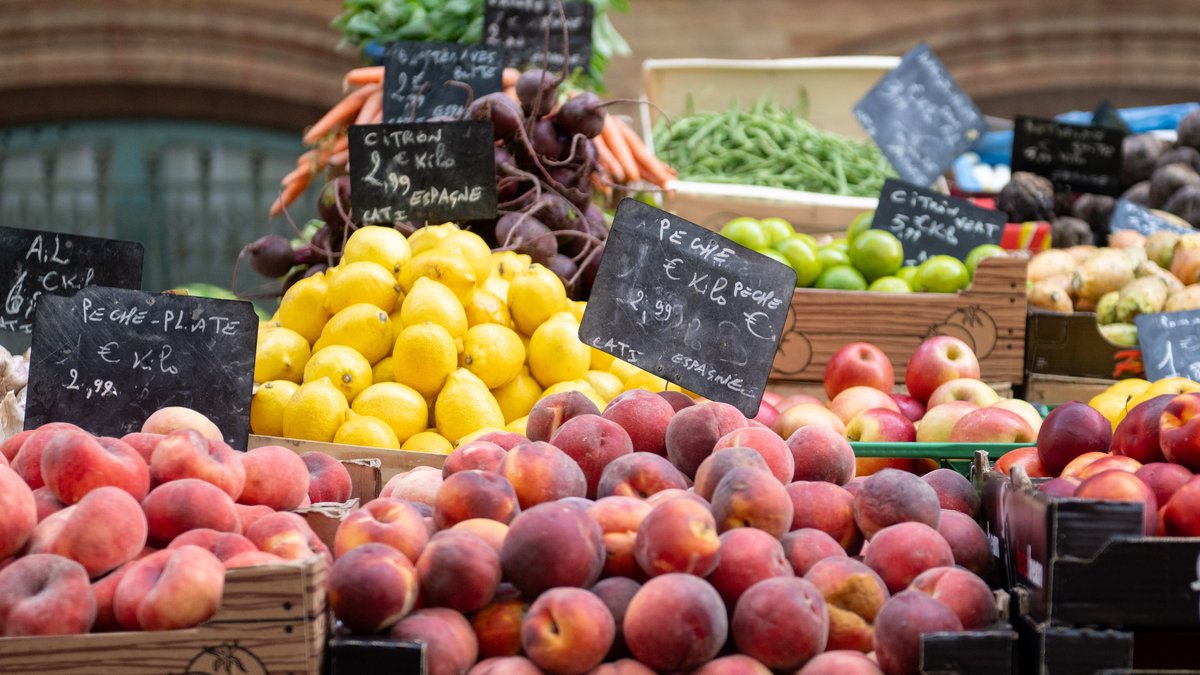
Exceptional drought and repeated heatwaves have caused substantial losses for French fruit and vegetable producers, raising the prospect of tighter supply as the autumn market begins. La Dépêche reports that the industry is not forecasting a general shortage or empty supermarket shelves, but availability of several products could remain constrained in the coming weeks and months, with possible consequences for prices.
Lettuce is among the most severely affected vegetables. High temperatures made a significant share of the crop unsuitable for sale. Leeks, artichokes, tomatoes, broccoli and cauliflower also sustained heavy damage. On some non-irrigated plots, growers lost as much as 100% of their vegetables. Green beans were hit when heat burned flowers and left some pods too small or fibrous to meet commercial standards.
Potato production forecast falls 22%
Potatoes represent one of the main concerns for the start of the new market season. Agreste, the statistical service of France’s Ministry of Agriculture, estimates that French production of storage potatoes could reach only 6.5 million tonnes in 2026. That would be a decline of 22% from the previous year.
The National Union of Potato Producers, known by its French abbreviation UNPT, gives a similar assessment of field performance. Its latest estimates point to a 23% reduction in yields. Lower production of a crop designed for storage means the effects may extend beyond the immediate harvest period, affecting supplies available to retailers and other buyers later in the season.
Apple and apricot yields also decline
Conditions in the fruit sector are more mixed, but several crops have recorded measurable losses. Apples suffered slower growth and heat burns. In Occitanie, the regional agriculture authority DRAAF estimated in July that apple yields were 11% below their 2025 level. Apricot production in the region was down 20%.
The damage varies by crop, region and access to irrigation, making a nationwide shortage less likely than temporary pressure in specific product categories. Interfel, France’s fresh fruit and vegetable interbranch organisation, said supplies remained available. Nevertheless, reduced marketable volumes of lettuce and other vegetables, combined with the lower potato forecast and regional fruit losses, could leave buyers with fewer options during the autumn. Producers with irrigated fields or commercially acceptable crops may be better placed, while growers on non-irrigated land bear the most severe losses. For retailers, processors and wholesale traders, the central issue is not the disappearance of produce from shelves but the volume, quality and price of replacement supplies as the consequences of the summer heat continue into the new season.