High Freight Costs and Labor Shortages Threaten Egyptian Furniture Competitiveness
Egyptian furniture manufacturers face rising freight costs and a shortage of skilled workers, weakening their ability to compete in export markets. Industry representative Alaa Nasr El-Din is calling for shipping-cost relief, incentives to retain craftspeople and the removal of real estate tax on factories.
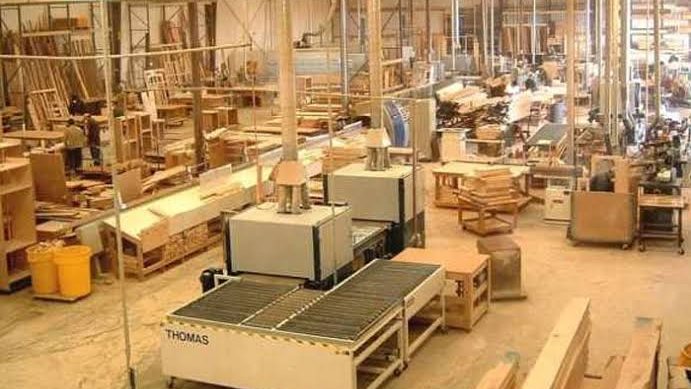
Export prices come under pressure
High freight costs and a shortage of skilled labor are undermining the competitiveness of Egypt’s furniture industry, according to Alaa Nasr El-Din, first deputy chairman of the Wood and Furniture Industry Chamber at the Federation of Egyptian Industries. He said the country has a strong base of experienced wooden-furniture makers, particularly in Damietta and other governorates, but manufacturers need relief from costs that restrict their access to foreign markets.
El Balad reported that freight expenses are feeding directly into the final price of Egyptian furniture. This makes it harder for factories to offer the price levels demanded in export markets, even when their designs and manufacturing capabilities match different customer requirements. Nasr El-Din called on the relevant authorities to develop practical measures that reduce shipping costs and allow Egyptian products to compete more effectively abroad.
Skilled workers are leaving the sector
The industry’s second major constraint is a scarcity of technical labor. Nasr El-Din said some skilled workers have moved abroad for employment, reducing the pool of trained craftspeople available to domestic producers. Furniture manufacturing depends heavily on accumulated practical expertise, so the loss of experienced workers can affect production continuity as well as manufacturers’ ability to maintain quality and expand output.
He urged policymakers and businesses to provide suitable incentives that encourage skilled employees to remain in Egypt’s furniture sector. Retaining trained workers is particularly important for an industry offering a broad range of classical and modern designs, as well as plywood and medium-density fiberboard products. That variety gives Egyptian manufacturers access to different market segments, but only if factories have the workforce needed to deliver consistently.
Manufacturers seek tax and cost relief
Nasr El-Din also called for the abolition of real estate tax imposed on factories. He argued that reducing the burden on producers would improve the business environment and strengthen factory competitiveness. Smaller and medium-sized manufacturers require particular support because production overheads, freight charges and labor constraints can limit their ability to expand or pursue export opportunities.
Egyptian furniture faces strong competition from Turkish and Chinese products, according to El Balad. Nasr El-Din said tangible support should reach small, medium-sized and large manufacturers so that they can meet the price expectations of export buyers. Measures addressing freight, production costs and labor availability could help preserve Egypt’s manufacturing skills and widen access to overseas markets. Without such relief, the sector’s established craftsmanship and product diversity may not be enough to offset the price disadvantage confronting exporters.