Fars suspends potato, onion and open-field tomato exports until year-end
Iran’s Fars province has suspended exports of potatoes, onions and certain open-field tomatoes until the end of the year. The measure is intended to protect domestic availability and limit price volatility, while greenhouse tomatoes remain exempt.
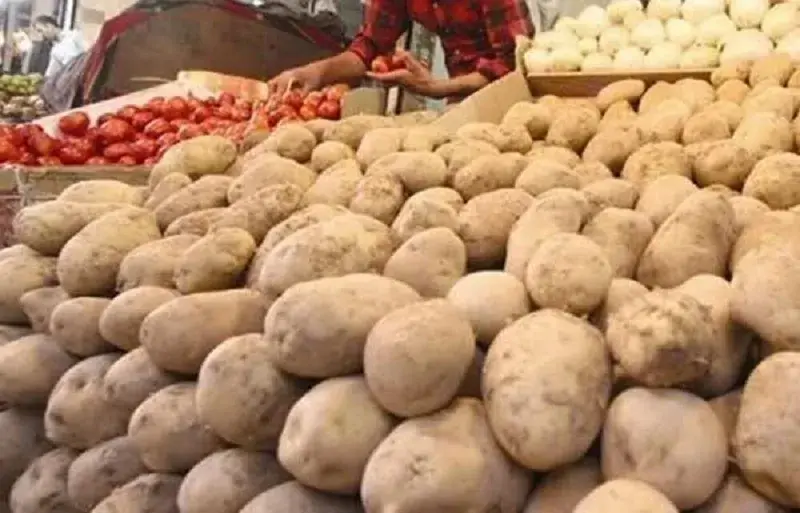
Domestic supply takes priority
Iran’s Fars province has prohibited exports of potatoes, onions and certain tomatoes until the end of the year, giving priority to domestic food availability as agricultural producers contend with environmental and international risks. The measure is designed to manage supply and curb price volatility in the Iranian market.
The restriction applies to products grown in open fields and under the conditions covered by the provincial decision. Greenhouse tomatoes are explicitly excluded, allowing specialized growers to continue serving foreign customers. The distinction is intended to protect greenhouse profitability while directing more field-grown vegetables toward the domestic market.
Different consequences across the supply chain
For Iranian consumers and food processors, the immediate objective is a larger volume of potatoes, onions and tomatoes remaining inside the country. These crops are widely used in household cooking and food manufacturing, so interruptions in availability can affect a broad range of buyers. Restricting outbound shipments may moderate local price pressure if the retained produce reaches deficit markets efficiently.
Growers and traders face a different calculation. Export restrictions narrow the pool of buyers for affected open-field crops and can reduce competition for available produce. Farmers that planned production around foreign demand may need to redirect volumes to domestic wholesalers, processors or storage. The commercial effect will depend on local harvest volumes, product quality, transport capacity and the ability of domestic channels to absorb additional supply without heavy losses.
Greenhouse tomato producers retain access to export markets, preserving a sales channel that can support investment and profitability in controlled-environment farming. Exporters will therefore need to demonstrate that qualifying tomato shipments originate from greenhouse production. Clear documentation and consistent enforcement will be important to prevent delays and disputes at provincial collection points and national borders.
Neighboring markets may seek alternative supply
Importers in Iran’s neighboring markets may experience reduced access to produce originating in Fars, particularly where purchasing programs depend on seasonal open-field supplies. Buyers can respond by sourcing from other Iranian provinces or competing producing countries, but replacement costs will depend on timing, freight and product specifications. The available source material does not quantify Fars export volumes or identify individual destination countries, so the regional supply impact cannot yet be measured.
The policy also creates a timing issue. A ban lasting until year-end may stabilize availability during the targeted period, but delayed exports or concentrated domestic sales can shift pressure further along the season. Authorities will need to balance consumer prices against farm income, especially for perishable tomatoes that cannot be stored as easily as potatoes or onions. The exemption for greenhouse tomatoes shows an effort to separate supply management from a blanket shutdown of the province’s export-oriented horticulture.