Extremadura prepares its tobacco industry for Spain’s shift away from cigarettes
Extremadura produces 98% of Spain’s tobacco and supplies 19% of the European Union’s output. Growers, processors and municipalities are seeking to preserve the regional value chain as cigarette consumption shifts toward smoke-free alternatives.
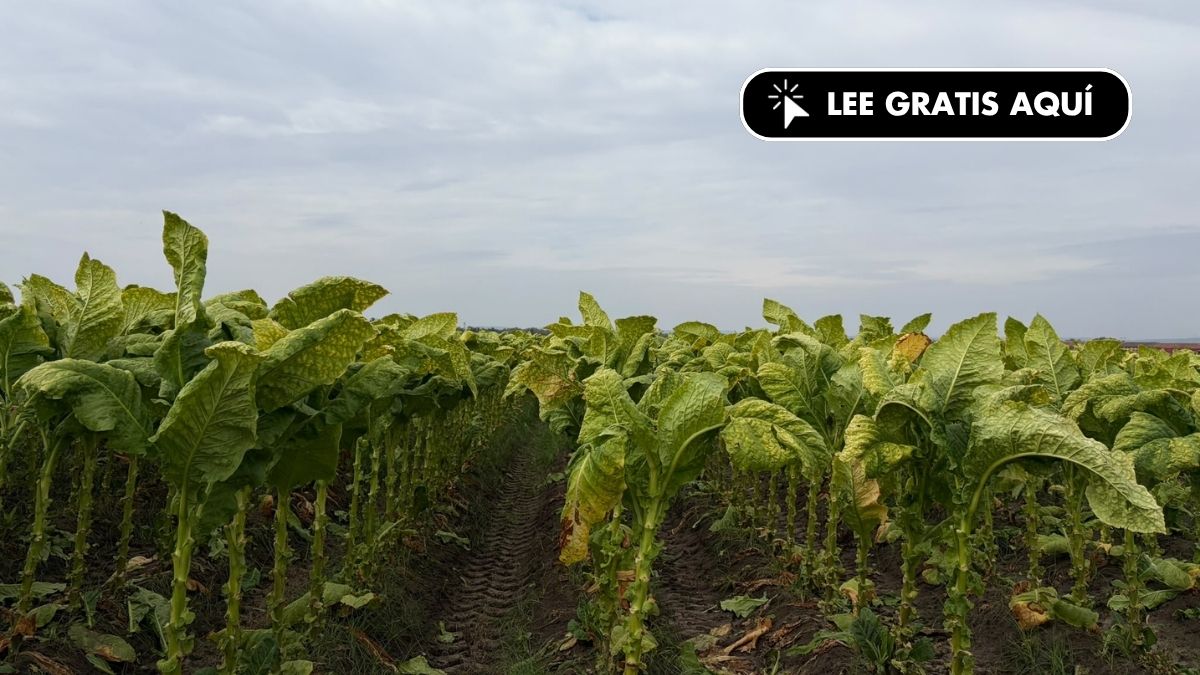
Spain’s tobacco heartland faces a changing market
Extremadura, the source of 98% of Spain’s tobacco production, is preparing for the progressive replacement of conventional cigarettes by smoke-free alternatives. The transition has direct implications for growers, cooperatives, processors and rural municipalities concentrated in La Vera, Campo Arañuelo and the Tiétar Valley, which have become a major European tobacco-growing centre.
According to The Objective, Spain is the European Union’s second-largest tobacco producer, while Extremadura accounts for 19% of the bloc’s output. Around 74% of that production is exported, generating more than €70 million in foreign sales. The regional tobacco value chain contributes €91 million to Extremadura’s gross domestic product and supports more than 3,000 families. It provides 1,900 direct agricultural jobs and close to 20,000 direct and indirect jobs across related activities.
Heated tobacco offers a route beyond combustion
Philip Morris, which purchases around 30% of Extremadura’s tobacco leaf annually, is placing heated-tobacco products at the centre of its response. These products use real tobacco without combustion. In 2025, Spain joined Italy among the first European countries to integrate traditional farming into this category after Spanish tobacco leaf received official certification for use in heated-tobacco products.
The company now obtains 43% of its global net revenue from smoke-free products. Its relationship with Extremadura dates to 1992, when it began purchasing tobacco leaf from the region continuously. Purchases over the past decade represent an accumulated investment of €230 million. Cesare Trippella, the company’s director of value chain and external relations, said Philip Morris sources tobacco from many countries but uses only seven, including Spain, for its new-generation products.
Local economies seek protection and investment
The dependence is particularly visible in Losar de la Vera, where tobacco represents approximately 85% of economic activity, according to Mayor Antonio Sánchez Díaz. The municipality is preparing letters to European Union institutions as tobacco legislation is developed, arguing that regulation must consider communities whose livelihoods depend on growing the leaf. Local cooperative Coolosar has 600 participants, including 400 members and 200 associates, and also operates in goat farming and cheese production.
In Talayuela, home to one of CETARSA’s two principal factories, Mayor Roberto Baños Martín said 90% of the buildings in the local industrial estate house agricultural repair workshops. This illustrates how tobacco demand extends beyond farms into machinery, processing and services. Municipal leaders are asking policymakers to consult growers, cooperatives, families and younger residents while supporting innovation.
Modernisation targets costs and resilience
Philip Morris has complemented leaf purchases with training, digitalisation and diversification programmes, including Programa Emprendedor and Cultivadores Digitales. Modernisation projects include converting curing barns from fossil fuels to biomass, saving water and reducing the sector’s carbon footprint. Two digital information service centres in Olivenza and Almendralejo jointly provide 145 jobs, mostly held by Extremadura residents, with women accounting for 50%-60% of staff.
The region’s immediate challenge is therefore not simply to replace one finished product with another. Its growers must ensure that locally produced leaf remains qualified for the technologies gaining market share, while processors and cooperatives need investment that preserves productivity and employment. With most output already sold abroad, certification for heated tobacco gives Extremadura access to an emerging international supply chain, but its high local economic concentration also leaves municipalities exposed if demand or European regulation changes faster than the industry can adapt.