European sugar prices fall by about half from recent peaks
Sugar prices across Europe have dropped by roughly half from highs reached a few years ago, according to kauno.diena.lt. The decline eases input costs for food and beverage manufacturers and reaches households just as the summer preserving season begins.
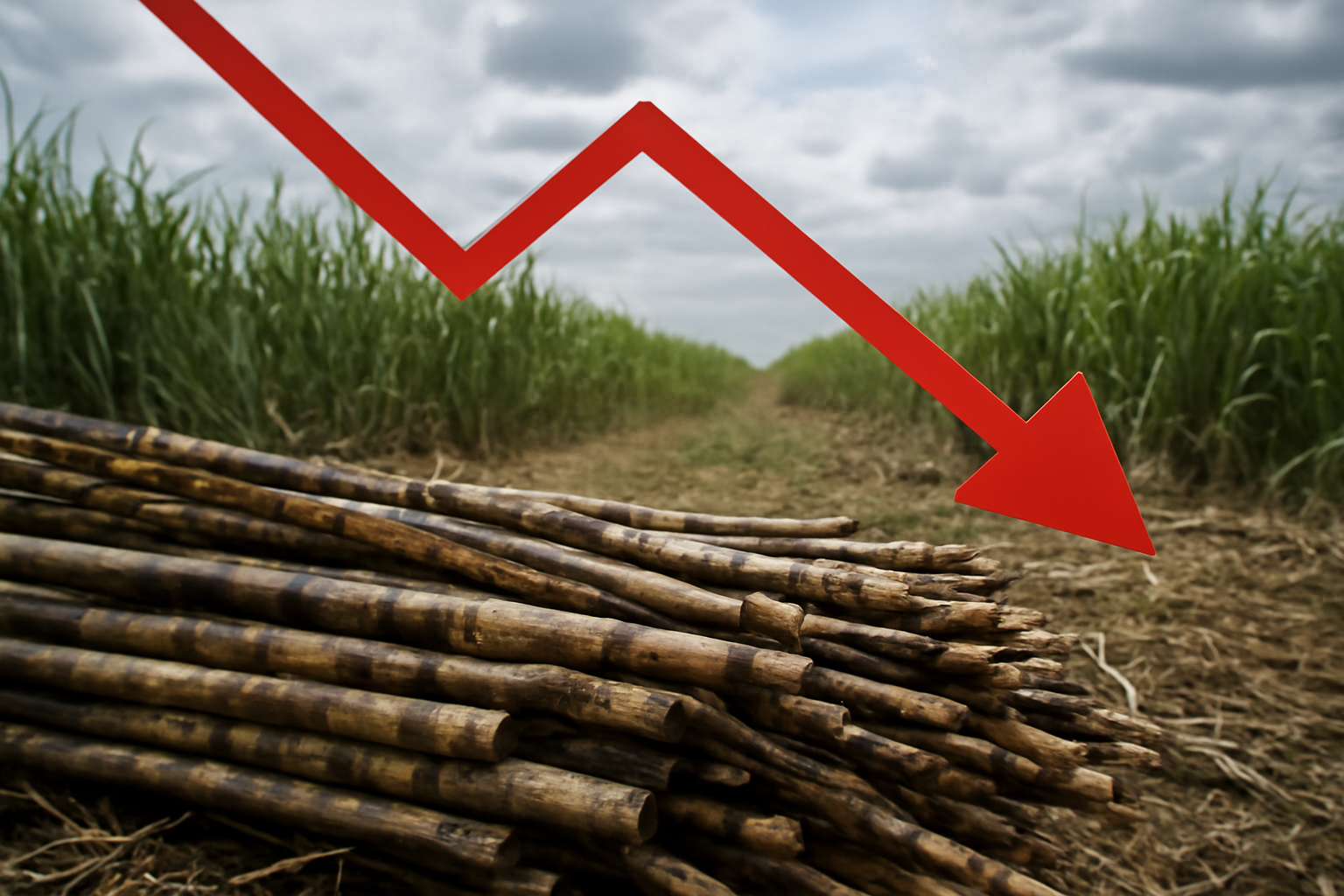
Sugar prices across Europe fall by about half from recent peaks
Sugar prices in Europe have dropped by roughly half from the highs recorded a few years ago, according to Lithuanian outlet kauno.diena.lt. The retreat marks a sharp reversal from the period when sugar costs climbed steeply across the continent, and it arrives as households enter the summer preserving season.
For consumers, the report frames the decline as clearly positive: cheaper sugar lowers the cost of making jam and preserves at home, an activity that peaks in the warmer months when fruit is abundant. The same downward move in prices reaches well beyond the kitchen, feeding into the input costs of food and beverage manufacturers that rely on sugar as a core ingredient.
What lower sugar prices mean for food manufacturers
Sugar is a primary input for confectionery, soft drinks, baked goods, dairy desserts and preserved foods. A price decline of the scale described eases margin pressure for these producers, many of which absorbed higher costs during the earlier price surge. Manufacturers that locked in supply at elevated levels may see the benefit only as older contracts roll off, while those buying on shorter terms can capture cheaper sugar more quickly.
Lower raw sugar costs also change the calculus for private-label and value ranges, where ingredient prices weigh heavily on shelf pricing. Whether the reduction reaches consumers in the form of lower retail prices, or is retained by processors and retailers to rebuild margins, will vary by market and product category.
Trade implications across the continent
A continent-wide fall in sugar prices affects sourcing decisions for importers and exporters alike. When European prices ease, the spread between domestic supply and imported sugar narrows, influencing how buyers balance local purchases against shipments from outside the region. Processors with flexible sourcing can shift volumes toward the cheapest available supply, while exporters face tighter competition on price.
The move also has implications for the broader supply chain. Traders and distributors holding stock bought at higher prices carry inventory risk as valuations fall, whereas buyers waiting on the sidelines gain room to restock at more favorable levels. For contract negotiations running into the second half of the year, the lower price environment resets the baseline from which both sides bargain.
Outlook into the summer
The immediate effect, as kauno.diena.lt notes, is felt most directly by households preparing for the summer jam and preserving season, when demand for sugar traditionally rises. Beyond seasonal buying, the key question for the trade is durability: whether prices stabilize at the lower level or continue to move. For food manufacturers, importers and retailers, the current environment offers relief on costs after an extended period of elevated prices, but the distribution of that benefit across the chain remains uneven and market-specific.