EU weighs carbon market reform as industry and climate pressures collide
The EU is considering greater flexibility for companies under its Emissions Trading System as energy costs intensify competitiveness concerns. Options include extending free allowances beyond 2034, widening the market to waste and international flights, and directing more ETS revenue toward industrial conversion.
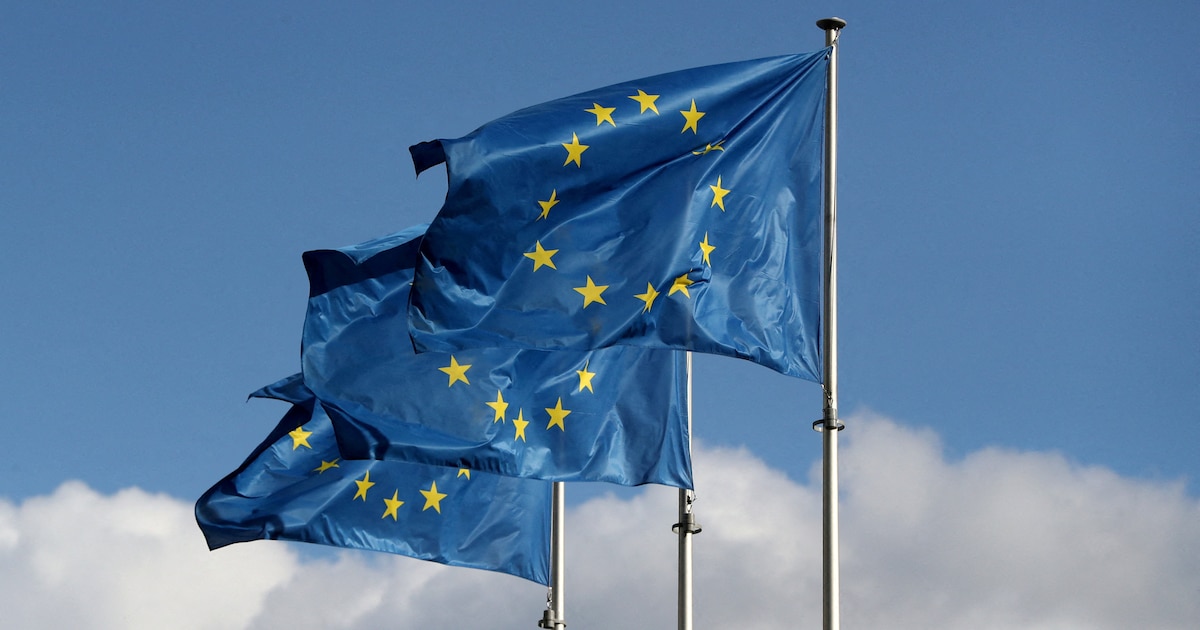
Brussels seeks a compromise on carbon costs
The European Union is debating another reform of its Emissions Trading System as governments, industrial companies and climate campaigners contest the pace and cost of decarbonisation. Infobae reports that the proposals arrive as energy prices have surged following the war between the United States and Iran in the Middle East, while exceptional heatwaves are affecting Europe.
The dispute divides member states. High-emitting economies including Italy, Poland and the Czech Republic are seeking relief for industry, while Spain and Scandinavian countries defend the carbon market. The European Commission is considering giving companies more flexibility when they make tangible, long-term decarbonisation commitments.
Free allowances could continue beyond 2034
One option would extend free support for industrial companies beyond 2034, provided that recipients maintain credible plans to reduce emissions. Brussels also wants national governments to direct revenue from the ETS toward industrial conversion, although the use of those proceeds currently varies considerably among member states.
The ETS has operated since 2005 and requires major emitters in sectors such as steel, cement and chemicals to pay for every tonne of greenhouse gases they release. A tonne of carbon dioxide currently costs about €80 ($91). The annual cap on available allowances declines over time, increasing the incentive to cut emissions. German chemical producers have criticised the system for raising electricity costs and adding bureaucracy, arguing that deeper reform is needed to protect their competitiveness.
Climate advocates warn that easing the rules could penalise businesses that have already committed capital to cleaner production. Neil Makaroff of the Strategic Perspectives think tank told AFP that sectors which invested little in the green transition are often among the strongest critics of the ETS. Other companies, he said, have invested heavily in European steel, cement and glass decarbonisation and electrification. Reversing policy could therefore erode their first-mover advantage.
Sector coverage and the 2040 target remain open
The reform discussion also covers a possible expansion of the ETS to waste and international flights departing from the bloc, with airlines strongly opposed to the aviation proposal. Policymakers are also examining the role of carbon capture technology and whether companies should be allowed to use credits from programmes outside the EU toward their emission reductions.
In parallel, the EU plans to set a 2040 objective that would increase renewable electricity’s role relative to fossil fuels. Electricity currently represents only 23% of the bloc’s final energy consumption, illustrating the scale of the electrification challenge for factories, buildings and transport.
Political resistance has already delayed ETS 2, which will cover road transport and building heating. Its launch has moved from 2027 to 2028 following pressure from countries including Poland and Hungary. The broader reform will determine whether Brussels can offer short-term protection against volatile energy costs without weakening the investment signals on which lower-carbon industrial projects depend.