Portugal flags aflatoxins in Spanish dried figs; EU issues “serious” RASFF alert
The European Commission has circulated a “serious” food safety alert through RASFF after Portugal found high aflatoxin levels in dried figs shipped from Spain in April. Aflatoxin B1 was measured at about 46 micrograms per kilogram against a limit of 6, with other variants at 124 against a limit of 10. Portuguese authorities destroyed the consignment.
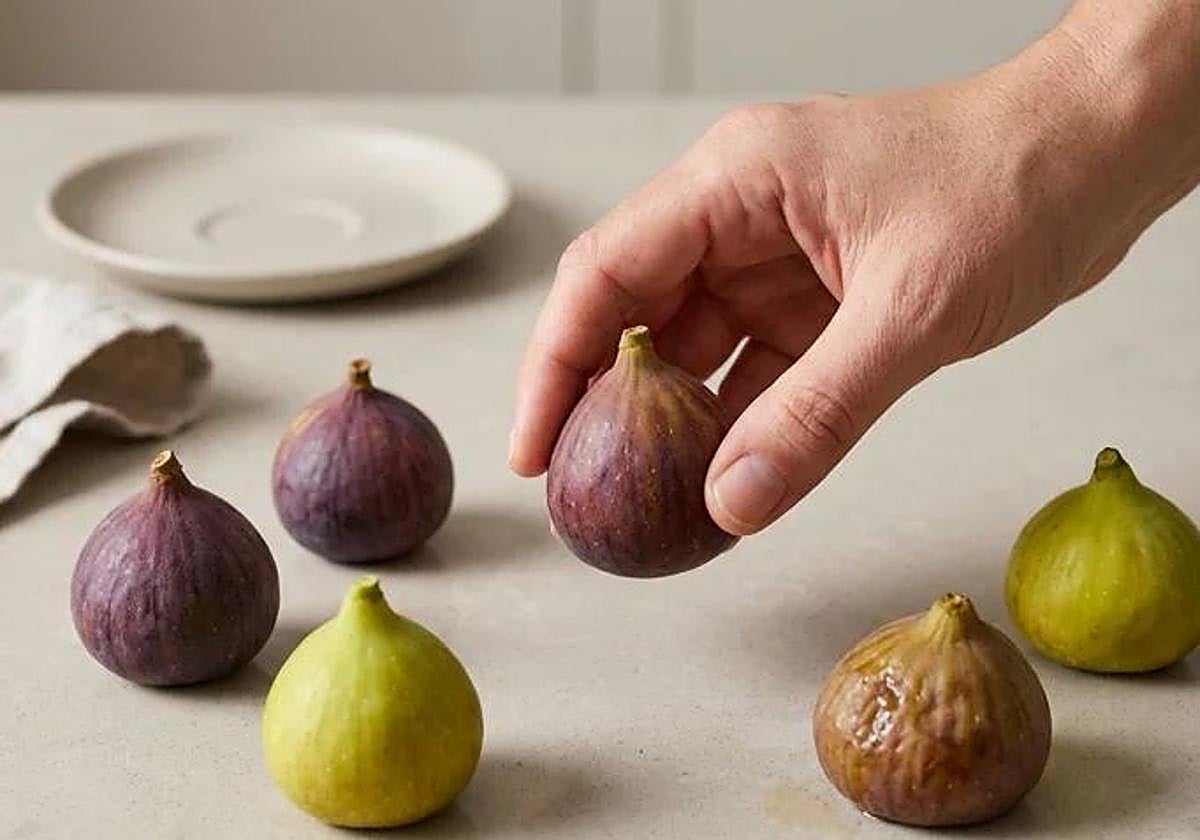
The European Commission has circulated a “serious” food safety alert through its RASFF rapid alert system over high levels of carcinogenic toxins found in figs harvested in Spain, El Correo reports. The notifying country was Portugal, where recent laboratory analyses showed that dried figs shipped from Spain in April contained elevated levels of aflatoxins. Portuguese authorities have already destroyed the consignment.
Laboratory readings many times the legal ceiling
The notification was registered on Tuesday. Samples taken in the laboratory returned sharply elevated aflatoxin values, in particular of type B1, a highly potent toxic and carcinogenic substance that acts primarily on the liver. Other variants of the toxin were detected in the same material.
- Aflatoxin B1: approximately 46 micrograms per kilogram, against a maximum permitted level of 6 micrograms per kilogram.
- Other aflatoxin variants: 124 micrograms per kilogram, against a maximum permitted level of 10 micrograms per kilogram.
On the values notified by the European Commission, the B1 result is roughly 7.5 times the legal ceiling and the combined figure more than 12 times its own limit. Aflatoxin B1 is regulated separately from total aflatoxin content, so two different limits apply to the same sample — and both were breached here. The scale matters commercially: EU aflatoxin limits are set at trace concentrations, so a result of this magnitude is not a borderline case that can be argued over measurement uncertainty. The batch was intercepted in Portugal and destroyed, so it did not reach consumers, but the contamination sits upstream of the border.
A fungal risk tied to climate and storage
Aflatoxins are mycotoxins produced by two species of Aspergillus, a fungus found above all in areas with warm, humid climates, according to the European Food Safety Authority. Because aflatoxins are known to be genotoxic and carcinogenic, EFSA holds that dietary exposure should be kept as low as possible. There is no intake treated as safe, which is why regulatory ceilings sit in the single-digit microgram range.
Contamination can arise both before and after harvest, which puts drying, storage and transport conditions on the same footing as field conditions. The toxins can occur in peanuts, nuts, maize, rice, figs and other dried foods, as well as in spices, crude vegetable oils and cocoa beans. Dried figs sit in the higher-risk part of that list: sugar-rich fruit dried in warm, humid air offers a favourable substrate for mould if moisture is not controlled tightly, and contamination is usually uneven across a lot, which makes representative sampling difficult.
What the alert means for operators
A “serious” classification in RASFF signals that the authorities involved regard the risk as significant rather than procedural. The practical consequence for the chain behind the shipment is documentary: buyers in other member states tend to respond to such notifications by tightening batch-level testing requirements and reviewing supplier approvals. Where notified product is still on the market, RASFF entries can lead to withdrawals in several countries at once; in this case the material was destroyed in Portugal, and the cost of that destruction falls on the commercial parties rather than the regulator.
Two features of the case matter for exporters. The first is timing: the figs were shipped from Spain in April and the notification was registered only this week, a gap of about five months between dispatch and formal alert, during which comparable material could have moved through the same channels. The second is traceability: the reported notification details do not name the operators involved, which leaves other buyers of Spanish dried figs without a direct way to check their own exposure and pushes the burden onto their own sampling programmes. For processors and packers the operational point is narrow and well established — aflatoxin control is decided during drying and storage, and sorting or reprocessing cannot restore a lot once the toxin is there.