EU protein plan targets 35% feed protein self-sufficiency by 2035
The European Commission wants the EU to raise self-sufficiency in oilseed and high-protein feed proteins from 25% in 2025 to 35% by 2035. The plan promotes peas, soybeans, rapeseed and sunflower while retaining strategic supply partnerships with Mercosur countries and Ukraine.
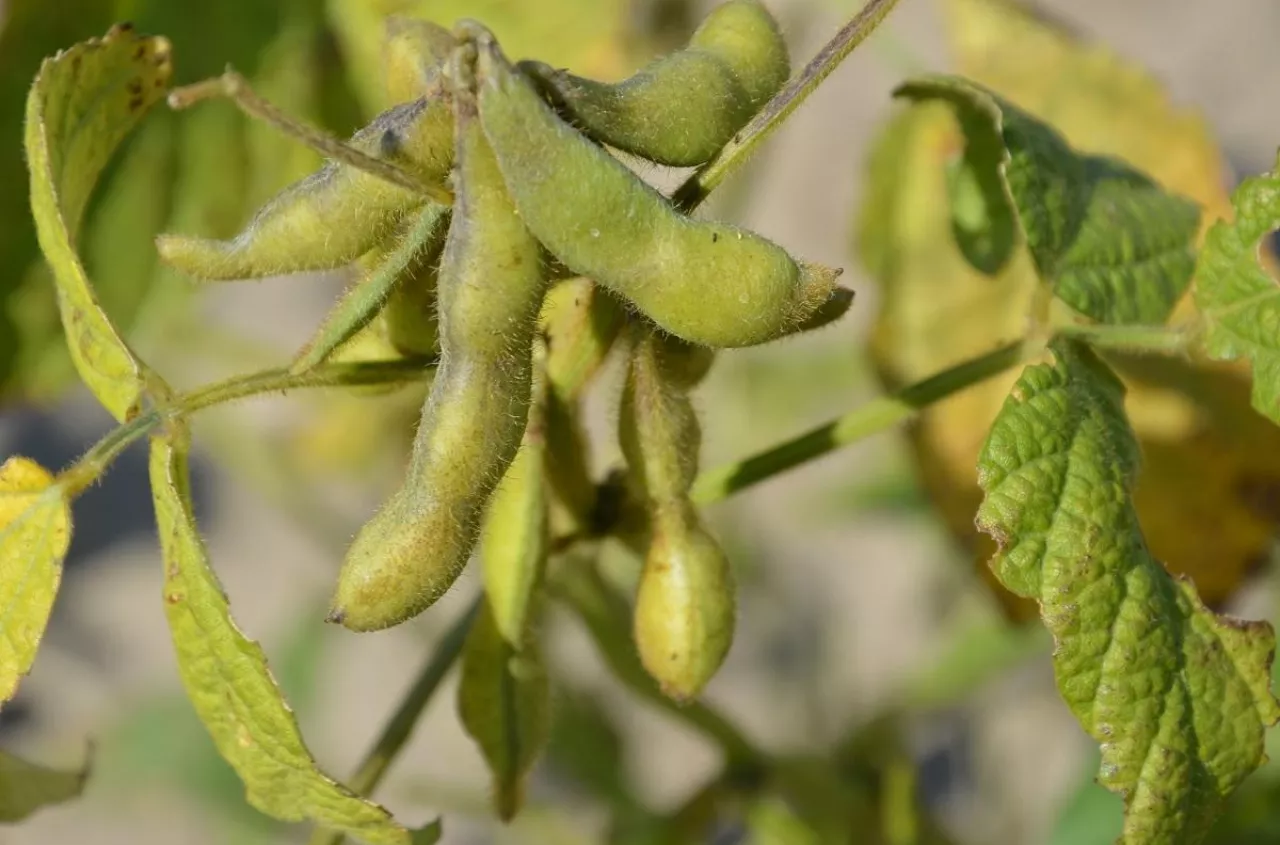
Brussels sets a 35% reference level
The European Commission wants the European Union to cover 35% of its feed protein requirements from oilseeds and high-protein crops by 2035. According to top agrar, the EU Protein Plan presented on July 7 envisages farmers cultivating more peas, soybeans and rapeseed as Brussels seeks to reduce dependence on imported protein.
The starting point illustrates the scale of the effort. EU self-sufficiency in feed proteins stood at only 25% in 2025, meaning the proposed level requires an increase of 10 percentage points over the following decade. The Commission has described 35% cautiously as a guideline rather than a binding target.
The distinction matters for producers and processors because the plan sets a direction without guaranteeing a specific expansion in planted area, output or processing capacity. The source material gives no budget, production-volume target or timetable for individual crops, leaving implementation largely dependent on future agricultural policy and national decisions.
CAP incentives could support additional planting
The plan recommends that member states promote legume cultivation through the Common Agricultural Policy after 2027. The document identifies coupled payments, which link support to production, as one possible incentive for expanding legumes, rapeseed and sunflower.
For EU growers, these measures could influence crop choices where protein crops compete with cereals and other oilseeds for land. For crushers, feed manufacturers and livestock producers, the commercial effect will depend on whether additional European output can be supplied at competitive prices and with the quality, consistency and scale required by industrial buyers.
The initiative also gives particular attention to young farmers. Protein-crop production and diversified cultivation methods are due to be incorporated into the EU strategy for young farmers, connecting the supply objective with farm renewal and crop diversification.
Domestic production will be combined with partnerships
Brussels is not proposing to meet the reference level through domestic production alone. Commission representatives cited strategic partnerships with Mercosur countries and Ukraine as part of the supply approach. Ukraine has multiplied its production of plant-based feed protein in recent years, while its geographic proximity and close relationship with the EU make it strategically important.
According to top agrar, the Commission sees possible Ukrainian accession to the EU as a development that would substantially improve the bloc's strategic position in protein supply. The plan therefore combines higher cultivation within the Union with access to nearby and established external suppliers rather than eliminating imports.
The policy is framed as a response to geopolitical risks and market disruptions. Although the official document does not identify the United States under President Donald Trump as a problem, top agrar reports that Commission officials privately described the country as an increasingly unreliable trading partner. For traders and feed buyers, the practical issue will be how quickly EU incentives alter crop availability and whether closer ties with Ukraine and Mercosur can reduce supply risk before the 2035 guideline is reached.