EU pesticide reform clouds Moroccan produce access as Agadir meeting sets higher export ambition
A European Commission reform aimed at keeping banned pesticides out of imported produce could tighten entry conditions for Moroccan fruit and vegetables, with tomatoes among the products in the impact scenarios and $2.8 billion of exports potentially exposed. At a mid-September meeting in Agadir reported by Eurofruit, the Moroccan sector said it was well placed to adapt and to raise its shipments. More than 80% of those exports move through Tanger Med.
A European Union reform of pesticide rules could tighten the conditions under which Moroccan fruit and vegetables enter the bloc. The Moroccan sector has answered with an expansion target rather than a defensive one, bladi.net reports.
What Brussels is weighing
The European Commission wants to prevent the most hazardous pesticides, banned in European agriculture on health or environmental grounds, from returning to the Union through imported produce. Imported goods already have to respect European maximum residue limits. The Commission is now studying a stricter alignment of production rules themselves for certain substances. The modalities remain to be defined, and the reform has not yet fixed the obligations exporters will have to meet.
That uncertainty is the operative fact for the trade. Exporters know the direction of travel but not the compliance requirements, the substances covered or the timetable.
Tomatoes inside the impact scenarios
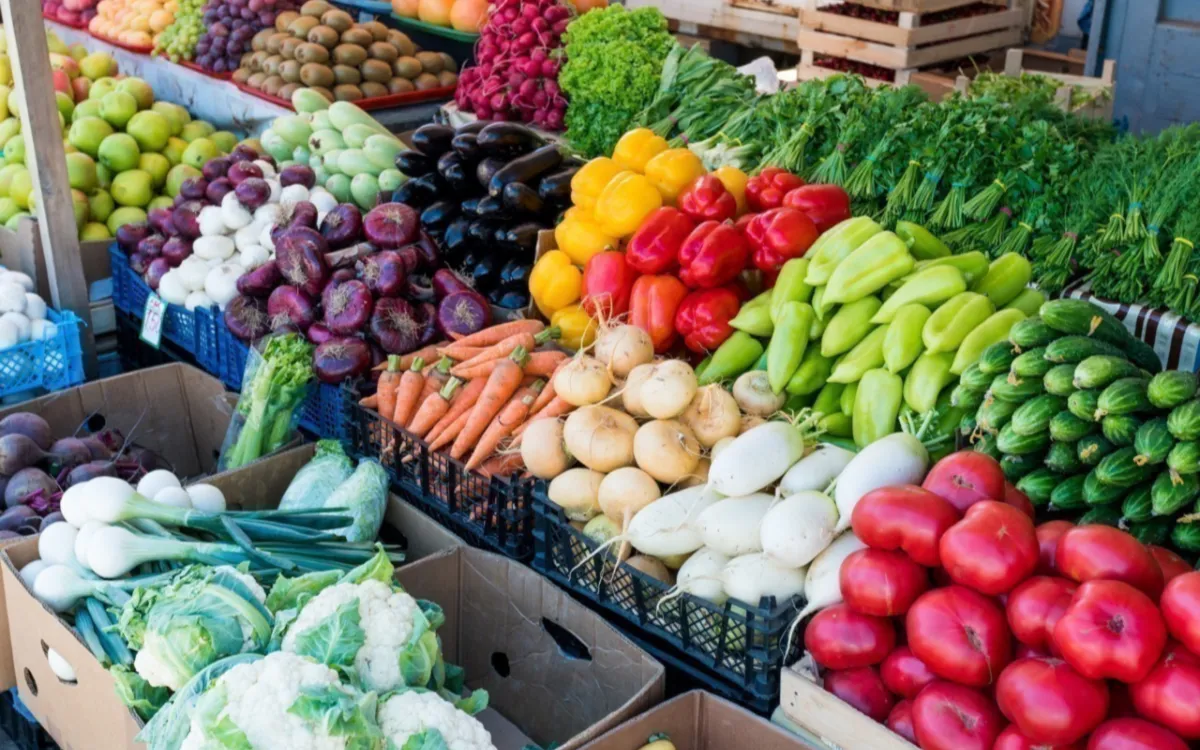
Morocco has reason to track the file closely: its tomatoes are among the products examined in the European impact scenarios. A study put the Moroccan exports potentially exposed at $2.8 billion. bladi.net notes that the figure covers trade captured by the scenarios under study, not sales already lost. A European Commission study quantifies the potential impact of a tightening of pesticide rules and includes an intermediate scenario for Moroccan tomato exports to the European Union.
Moroccan tomato growers and exporters have voiced concern over the announced adoption of new legislation altering import conditions for fruit and vegetables into the EU. Rabat has also moved onto lobbying ground: the Moroccan embassy in Madrid has hired the Spanish consultancy Acento Public Affairs to defend Moroccan farmers in the European arena.
Agadir: adapt first, then sell more
Morocco Foodex gathered Moroccan and European professionals in Agadir in mid-September around the changes expected on the EU and United Kingdom markets. More than thirty speakers took part, among them representatives of Freshfel Europe and the British Fresh Produce Consortium. The conclusion of the meeting, reported on 22 September by Eurofruit, was assertive: participants consider the Moroccan fruit and vegetable sector well placed to adapt to the new requirements and to increase its exports.
The following day the group visited the Maroc Citrus research centre in the Souss, where integrated control methods against the fruit fly are developed, and a tomato grading and packing station whose output is destined for Europe among other markets.
- Morocco supplies 8% of the fruit and vegetables imported by the EU, yet appears rarely in pesticide alerts.
- More than 80% of Moroccan fresh fruit and vegetable exports pass through Tanger Med.
- At peak season the port handles around 700 trucks of fresh produce a day before onward shipment to Spain.
The Spanish side of the flow
Logistics is the second asset highlighted by Eurofruit. The concentration of volumes at Tanger Med and the short road link to Spain give Moroccan suppliers a delivery cycle that more distant origins cannot match, and Morocco is leaning on that proximity to defend its position on the European market.
A restriction of trade between the European Union and Morocco would not hit Moroccan exporters alone. The port of Algeciras and the entire logistics economy built around exchanges with Tangier depend on the same flows.
For now, Morocco is preparing its production methods before the new obligations are written. The message sent from Agadir is that the sector intends to use the adaptation itself as a commercial argument and export more, not less.