EU checks find 67% of sampled inhibitor fertilizers breach labelling rules
Market surveillance authorities in six EU member states tested 21 fertilizers containing nitrification or urease inhibitors and found 14 of them, or 67 percent, non-compliant with labelling requirements. Companies have been ordered to correct the markings or produce technical documentation. The checks were part of the Commission's JACOP 2025 campaign.
Two thirds of the fertilizers sampled in a coordinated European Union testing campaign failed to meet the bloc's labelling requirements, according to a European Commission statement reported by the Polish agricultural outlet farmer.pl.
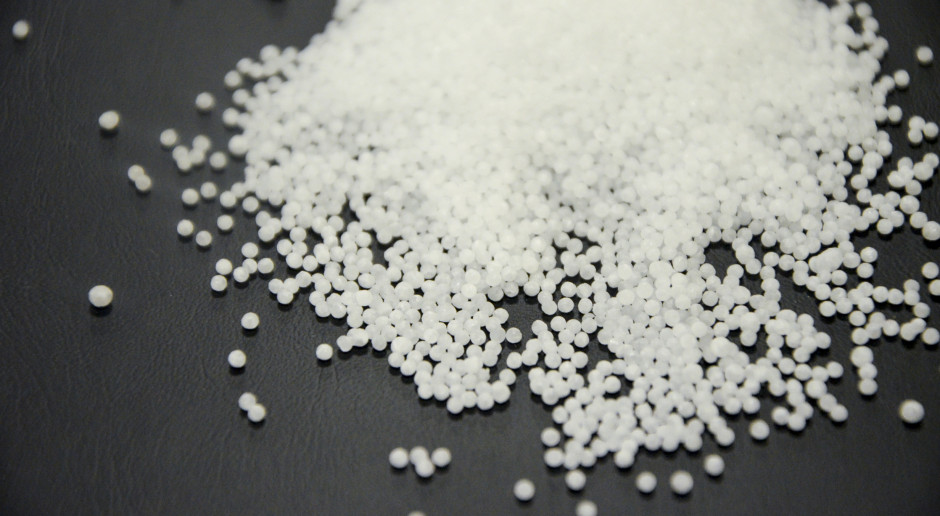
National authorities in Austria, Belgium, Germany, Ireland, Poland and Slovenia commissioned laboratory analysis of 21 fertilizer samples sold on their markets. Fourteen of them, or 67 percent, did not comply: the labels either omitted information required by law or stated the quantity of nitrification or urease inhibitors contained in the product incorrectly.
How the checks were run
The fertilizer testing formed part of an EU-wide market surveillance campaign known as the Joint Action on Compliance of Products 2025, or JACOP, organised by the European Commission's Directorate-General for Internal Market, Industry, Entrepreneurship and SMEs (DG GROW).
National authorities contacted the economic operators responsible for the non-compliant products to discuss the results. They ordered the companies either to correct the faulty markings or to make technical documentation available so that deviations in the analytical results could be examined, farmer.pl reported.
Why inhibitor content is a regulated figure
Since 1 August 2021 the European Union has banned the use of urea in conventional granular broadcast form unless the product contains a urease inhibitor or a biodegradable coating. The restriction stems from the EU's NEC directive and is intended to curb emissions of harmful ammonia into the atmosphere.
The inhibitor is meant to keep nitrogen available to plants for longer, prevent it from leaching and running off, and limit greenhouse gas emissions. Its declared quantity therefore carries direct agronomic and environmental consequences for the buyer.
Too little inhibitor can mean that more nitrogen is lost before crops are able to take it up. A dose larger than the one stated on the label undermines confidence in dosing recommendations and increases the risk of unnecessary emissions or nutrient losses. Incorrect labelling can therefore have negative consequences in both directions.
What manufacturers must hold
The Commission reiterated that producers must ensure the inhibitor content matches the declared values. Before placing a product on the market they must have in place:
- technical documentation for the product;
- a declaration of conformity (DoC);
- health and safety information;
- an unambiguous identification of the product in the DoC to ensure traceability.
Standards and labelling guidance in preparation
The Commission is implementing a project to develop around 120 standards for fertilising products in the EU, with a total budget of 10 million euros. The aim is to establish harmonised standards for CE-marked fertilizers that guarantee safety, quality and compliance with environmental legislation across the Union. Work is also under way to update the guidance on the layout of fertilizer labels in the EU.
Buyers of CE-marked fertilizer for use on a farm or in a garden who have doubts about a product's safety or regulatory compliance can contact their national market surveillance authority, the Commission said, adding that such reports help those bodies identify and eliminate risks. Users were also reminded to follow the instructions on use and storage.