EU adds more palm oil derivatives to deforestation rules from December 2027
The EU will apply its anti-deforestation rules to additional palm-oil-derived products from December 2027, according to Kontan. Exporters and EU importers will need to determine which traded products fall within the expanded scope and prepare the related compliance records.
EU widens coverage of palm oil derivatives
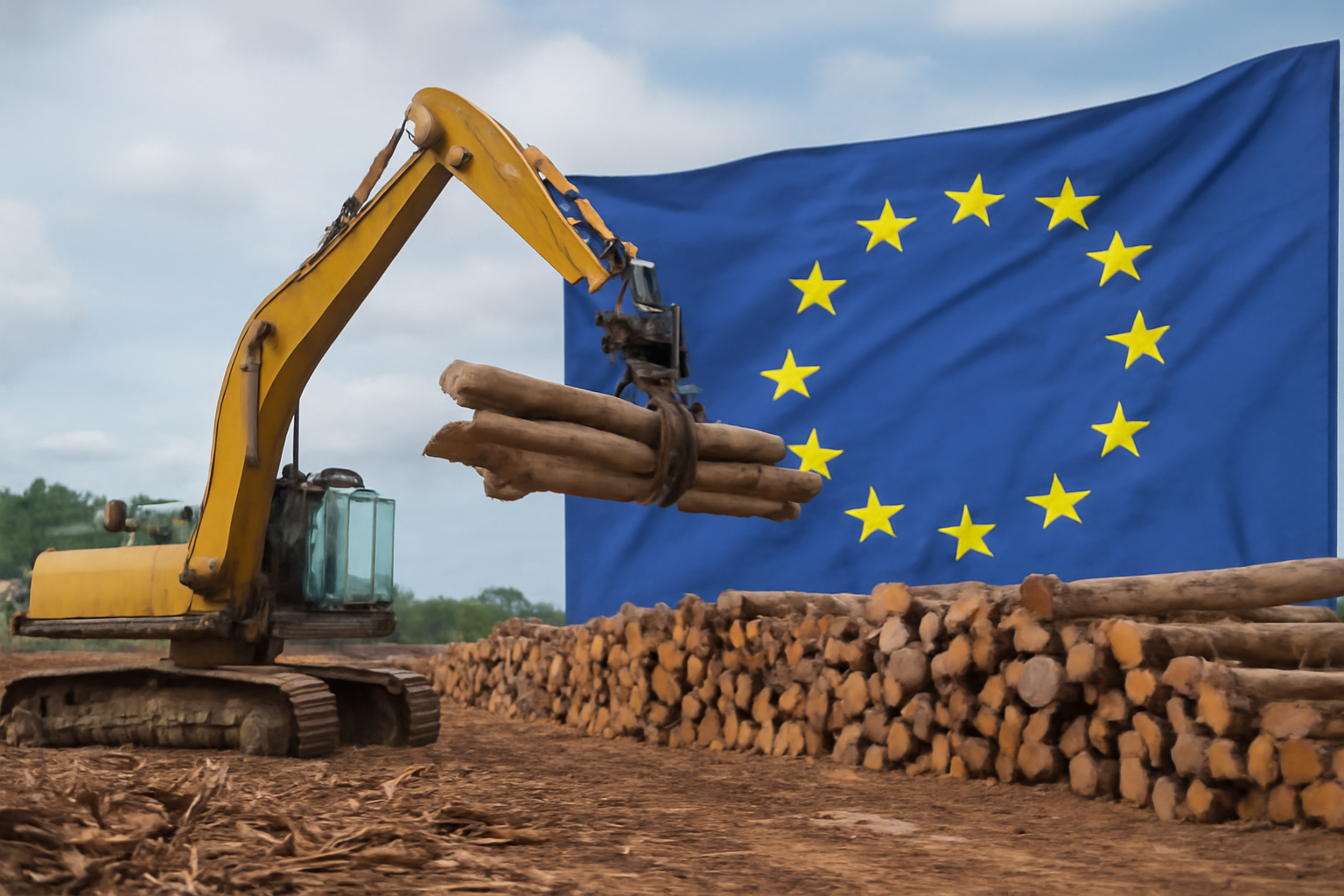
The European Union will bring additional products derived from palm oil within the scope of its anti-deforestation rules from December 2027, according to Indonesian publication Kontan. The change means that imports of the newly covered products will face the bloc’s deforestation-related requirements when entering the EU market.
The available report does not identify the individual derivatives being added. It also does not provide trade values, shipment volumes or a list of affected exporting countries. Those details will be important for companies assessing their exposure, because palm oil derivatives are traded across multiple product categories and may appear as ingredients or industrial inputs rather than as crude or refined palm oil.
Classification becomes a central trade issue
For exporters, the immediate task is to establish whether their products will fall within the wider coverage. Product descriptions, tariff classifications and technical specifications will determine which shipments are affected. A derivative marketed under a commercial or chemical name may require closer examination before an exporter or importer can decide whether the EU rules apply.
EU importers will also need consistent information from suppliers. Where a covered derivative passes through processors, traders or distributors before reaching Europe, the commercial chain may include several companies and countries. Each participant will need to know which product is being shipped and whether the required deforestation-related information can accompany the transaction.
The December 2027 date gives businesses time to review contracts and data systems. However, companies handling several derivatives may need to map their product portfolios well before that deadline. Suppliers that cannot provide adequate product and origin records could become harder for EU buyers to use, while exporters with complete documentation may be better placed to retain access to the market.
Implications for buyers and suppliers
The expanded coverage raises compliance considerations beyond companies trading palm oil as a standalone commodity. Manufacturers and importers using palm-derived inputs will need to check whether products previously outside the rules are among those being added. The impact will depend on the final product list and on how each item is classified at the border.
For market analysts, the principal variables will be the number of affected tariff lines, the value and volume of EU imports under those lines, and the main supplier countries. None of those figures appears in the available source material, so the scale of the trade impact cannot yet be quantified from the report alone.
The direction of policy is nevertheless clear: the EU is extending deforestation compliance further into the palm oil value chain. Exporters planning sales into Europe from December 2027 will need to treat regulatory eligibility and supporting records as part of market access, alongside price, quality and delivery terms.