Empty EU Powder Stocks Push Skimmed Milk Powder to €3,210/t
Skimmed milk powder quoted by Atla reached €3,210 per tonne on 23 September, up from €2,560 on 22 June, as European stocks sit at zero and US protein stays on the domestic market. European shipments hit 549,000 tonnes in the first seven months of the year, the second-highest total after 2019. With butter flat at €4,110 per tonne, powder is the only route to a higher French farmgate milk price.
Skimmed milk powder sets the pace
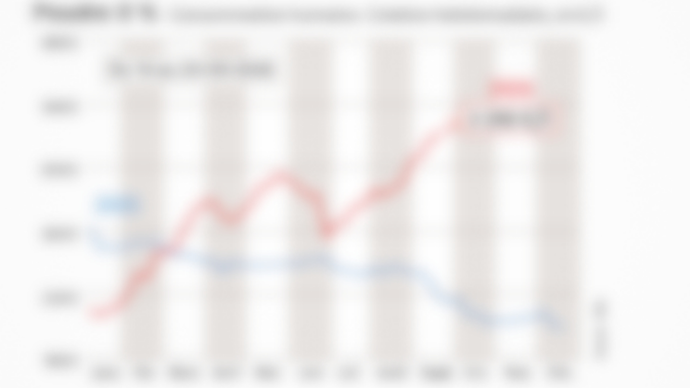
Quotations for skimmed milk powder in Europe have risen without interruption since the end of June. The Atla quotation of 23 September put the product at €3,210 per tonne, against €2,560 on 22 June — a gain of €650 per tonne in three months, according to the French farming outlet web-agri.fr.
The firmness is not limited to skimmed, or “0%”, powder: quotations for 26% fat powder have improved as well. For processors and producers the open question is how long the situation lasts, and the answer depends almost entirely on how milk collection develops over the coming months, which is currently uncertain.
Europe exports, the United States stays home
“The United States is using the protein for its domestic market. It is not present in exports,” said Christine Goscianski, agroeconomist at the Institut de l’élevage. “Conversely, the European Union, which has no stocks of 0% powder, is. Asia and the countries of the Near and Middle East are driving demand.”
- European shipments totalled 549,000 tonnes over the first seven months of the year, the second-highest figure after 2019.
- European stocks of skimmed milk powder are at zero, leaving current production as the only source of supply.
- US protein is absorbed by the domestic market, removing the largest alternative origin from export business.
With one of the two main origins effectively absent, buyers in Asia and the Near and Middle East are competing for European volumes sold straight out of production rather than drawn from inventory. That combination explains the speed of the move since June: there is no stock buffer to absorb an additional tonne of demand, so each incremental order is priced against fresh output.
Collection is the swing factor
In Oceania, the oceanographic phenomenon El Niño is a concern for the New Zealand dairy sector, but it has had no effect on collection so far. “Grass growth is good,” Goscianski noted.
In Europe, producer deliveries remain dynamic, including in France, one of the EU countries most affected by the heatwave summer. Sustained volumes in both hemispheres would eventually ease the tension on powder; any slowdown, in Oceania or in Europe, would extend it and keep quotations on their current trajectory.
Butter flat, held back by frozen stocks
Butter is moving in the opposite direction. Quotations remained flat at €4,110 per tonne (invoicing) on 23 September, because European countries still hold frozen butter in their cold stores. Unlike powder, the fat side of the milk cheque therefore carries an inventory overhang that caps any upward move for now.
The split between the two components matters directly for milk pricing. Since fat offers no support, any increase in the French farmgate milk price in the coming months will have to come through powder, web-agri.fr reports. That makes protein valorisation, and by extension the balance between European export demand and milk volumes delivered to plants, the single variable to watch through the end of the year.
Full market analysis