El Salvador drought puts 6.9 million quintals of staple crops at risk
About 6.9 million quintals of maize, beans and sorghum could be at risk from drought linked to El Niño in El Salvador. The threatened volume represents the entire planting expected in August and September, according to CAMPO president Luis Treminio.
Entire August-September planting at risk
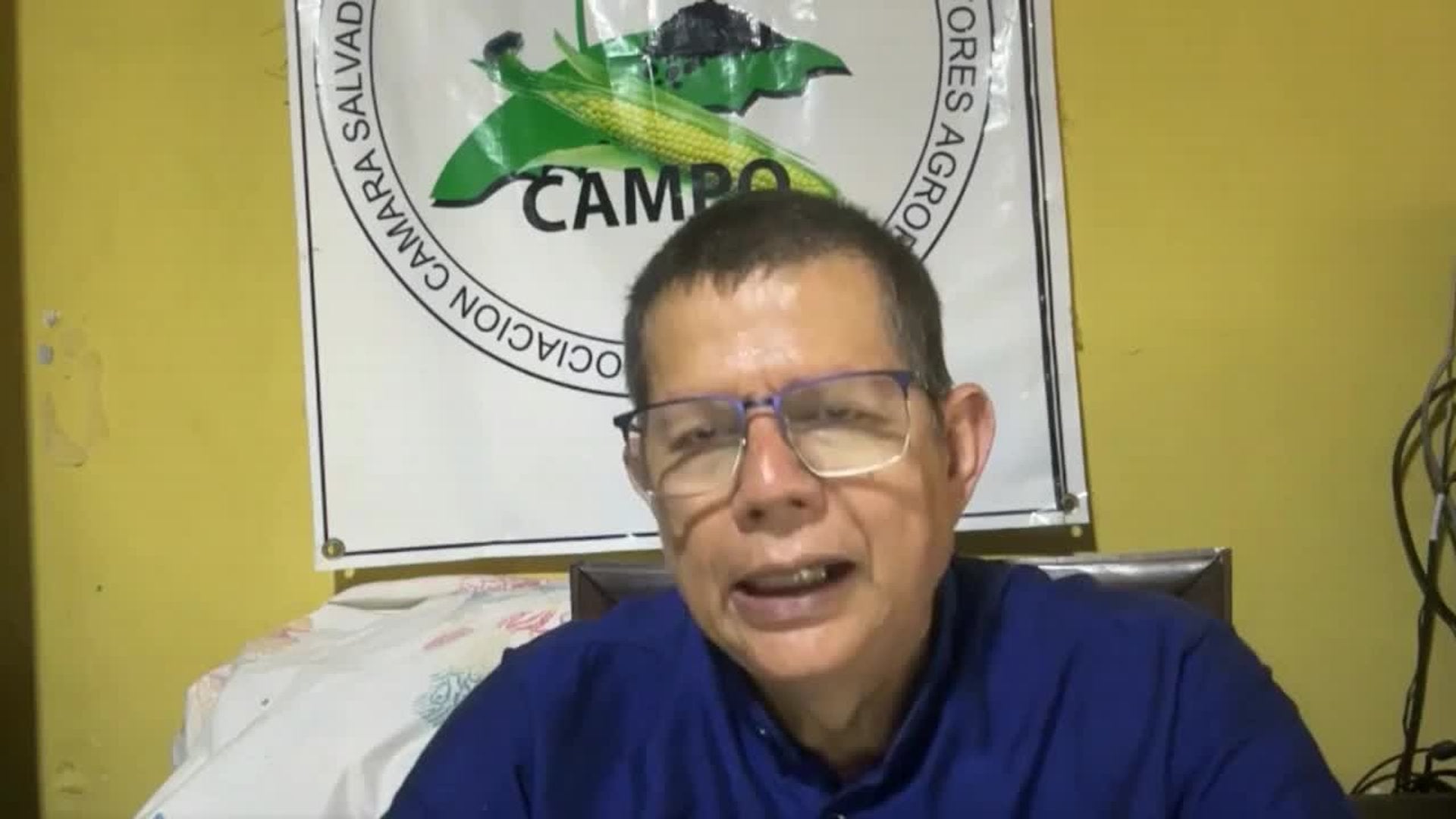
About 6.9 million quintals of maize, beans and sorghum could be at risk in El Salvador because of drought associated with the El Niño phenomenon. The volume represents 100% of the crops expected to be planted during August and September, Luis Treminio, president of the Salvadoran Chamber Association of Small and Medium Agricultural Producers, known as CAMPO, told EFE in an interview published by ABC.
The estimate combines three of the country’s staple crops, but the available figures do not provide a breakdown by commodity. They also do not establish how much of the threatened volume has already been planted or how much production will ultimately be lost. The warning therefore describes the scale of exposure rather than a confirmed harvest shortfall. Rainfall during the remaining planting period and the ability of farmers to establish their crops will determine how much of that risk becomes an actual supply loss.
Smallholders face food and income pressure
The drought is particularly significant for small and medium-sized producers because their harvests support both household consumption and farm income. La Prensa Gráfica reported that the dry conditions threaten the food supply of small farmers and their families in eastern El Salvador, where households depend on what they produce. A failed or reduced planting season would consequently affect more than the volume reaching commercial markets.
Maize, beans and sorghum are grouped in the 6.9 million-quintal estimate, so the consequences will differ among growers and buyers depending on which crop suffers the greatest damage. Farmers who cannot plant within the intended window may lose expected output, while those who do plant still face uncertainty over crop development. For processors and traders, the immediate issue is not a documented shortage but the possibility that domestic availability will tighten after the threatened planting cycle moves into harvest.
Import needs depend on the eventual harvest gap
The sources do not provide forecasts for prices, inventories or additional import requirements. Any effect on trade will depend on the difference between the harvest eventually collected and domestic demand. If the drought materially reduces output, buyers may need to seek more supply outside El Salvador or compete more strongly for the volume available locally. The size and timing of such purchases cannot yet be calculated from the figures reported.
The 100% exposure cited by Treminio makes the August-September planting period the central indicator for the market. Producers, grain buyers and food-sector companies will need to track whether rainfall permits delayed planting and whether planted fields remain viable. Until crop-specific acreage, yield and loss assessments are available, the 6.9 million quintals should be treated as the volume at risk, not as a final production loss. The distinction is important for import planning and price expectations: a threatened planting can still recover, while a verified harvest deficit would create a measurable supply requirement.