El Niño production risk puts palm oil supply and prices under scrutiny
Palm oil markets are waiting for production data to confirm whether prolonged dry weather will tighten Southeast Asian supply in 2027. Malaysian yields have declined unevenly, while CPO prices have risen nearly 19% in 2026 and Indonesia’s biodiesel program may reduce export availability.
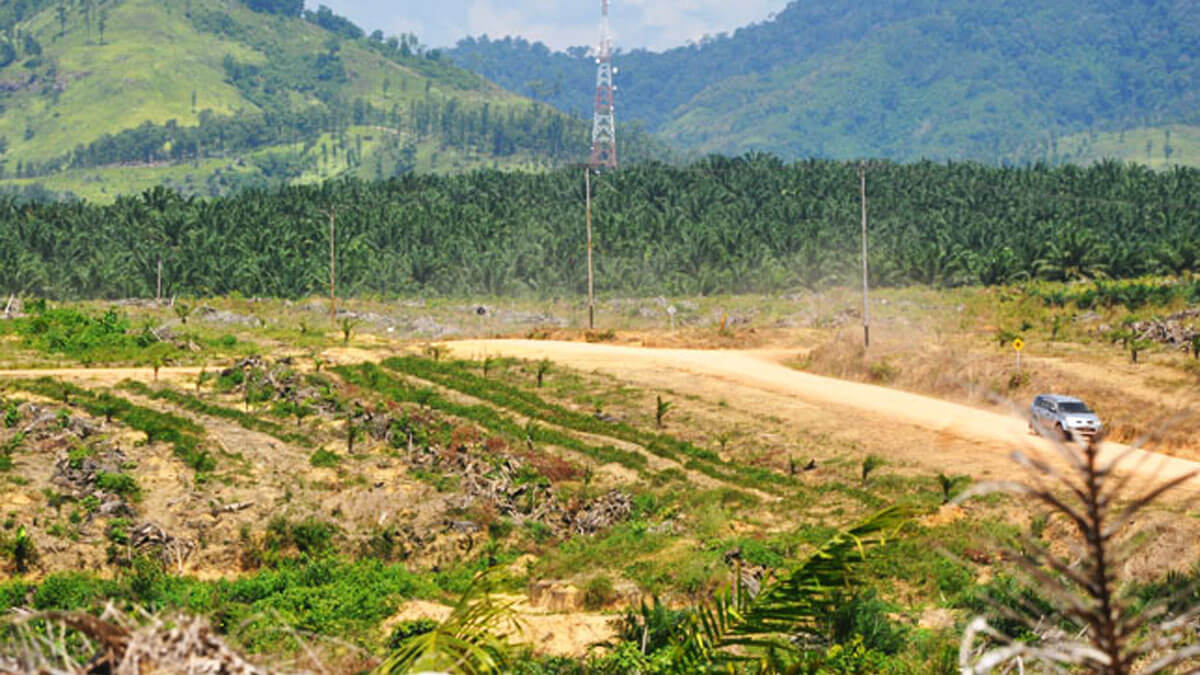
Market waits for evidence of production losses
Expectations of higher crude palm oil prices are increasingly dependent on whether El Niño-related dryness produces measurable losses in fresh fruit bunch output. InfoSAWIT reported, citing The Star, that analysts see actual plantation production as the next test for a market already pricing in weather risks and Indonesia’s biodiesel program.
Tradeview Capital Chief Investment Officer Nixon Wong said upstream plantation companies are more sensitive to CPO price movements. Further gains in plantation shares, however, will increasingly depend on whether individual companies report lower production. Continued dry weather into early 2027 could make the supply impact more visible and provide additional support for prices.
Weather damage may emerge with a delay
Water stress does not necessarily reduce palm fruit output in the same month. Prolonged dryness can disrupt flower formation, the development of female flowers into bunches, and the size and weight of those bunches. The effect may therefore appear in production figures only several months later, making 2027 a critical monitoring period.
MBSB Research said persistent moisture stress could turn the current rainfall deficit into lower yields and tighter CPO supply in 2027. The concern has grown after ASEAN Specialised Meteorological Centre data showed 15,186 hot spots in Indonesia during August 2026. Kalimantan accounted for 13,260, or 87.3%, while Malaysia recorded 265.
Malaysian yields send a mixed signal
Malaysian Palm Oil Board data do not yet show a uniform national contraction. Average fresh fruit bunch yield in Malaysia was 10.83 tonnes per hectare in January-August 2026, down 1.5% from 11 tonnes per hectare in the same period of 2025. Peninsular Malaysia recorded a 7.8% decline to 11.29 tonnes per hectare, while Sabah and Sarawak posted a 5.8% increase to 10.48 tonnes per hectare.
MPOB continues to forecast Malaysian CPO production of 19.5-19.8 million tonnes in 2026, below the record 20.28 million tonnes produced in 2025. The regional divergence means current data cannot yet confirm that weather has caused a nationwide production decline. Rainfall, crop condition, bunch yields and monthly CPO output will be central indicators over the coming months.
Biodiesel demand adds pressure to the balance
Indonesia’s biodiesel program creates a second source of potential tightening. Higher domestic consumption could leave less palm oil available for export, particularly if delayed weather damage simultaneously reduces plantation output. The eventual balance will also depend on stocks, demand in consuming countries, competing vegetable-oil prices and energy markets.
MPOC had forecast CPO prices above RM4,600 per tonne in September. Contracts for 2027 on Bursa Malaysia also traded above RM5,000 per tonne at one point, reflecting concern about El Niño. According to The Star’s 28 September 2026 report, the active CPO contract stood near RM4,780 per tonne after gaining almost 19% since the start of the year and reaching RM5,158 on 8 September. Bloomberg’s referenced Malaysia-Indonesia spot price was about RM4,862.86 per tonne.
High prices support plantation revenue, but the next move requires confirmation from physical fundamentals. If production remains resilient, further gains will have to come from stronger biodiesel consumption, lower stocks or other demand-side support. If dryness begins to reduce bunch formation and weight, the combination of weaker output and restricted export availability could tighten the market during 2027.